
Vandaag of morgen in huis

Kwaliteit gegarandeerd

Welkomstaanbiedingen ontgrendelen: GRATIS bezorging | Tot 80% korting | Gratis 30 dagen JoyPlus-proefperiode
Download de app
A pair of wireless headphones may seem like an easy choice on paper. In practice, however, models vary considerably in comfort, battery life, sound isolation and suitability for calls or exercise. A low price can be tempting, but the wrong fit, an unclear battery claim or insufficient protection against moisture can often lead to disappointment.
This guide will help you compare wireless earbuds, Bluetooth headphones or noise-cancelling headphones based on verifiable features.
Brands often state battery life under ideal conditions. ANC, high volume, phone calls and using an equaliser can reduce playback time. Therefore, pay attention to the difference between:
Headphones with long battery life are useful for commuting, travelling and office work, but always check the conditions under which the claim applies.
Active noise cancellation, also known as ANC, uses microphones and electronics to reduce ambient noise. Its effectiveness can vary depending on the frequency, fit and surroundings. A claim such as “up to -45 dB” or “up to -50 dB” is a maximum product specification, not a guarantee that every sound will be filtered out to the same extent.
Passive isolation also matters. Well-fitting in-ear headphones or closed-back over-ear headphones can already reduce a significant amount of ambient noise. For traffic and cycling, an open design can sometimes be more practical, as it allows you to hear more of your surroundings.
An IP rating indicates what a product has been tested for. IP54, for example, indicates protection against dust and splashing water. IPX5 means protection against water jets under specific test conditions. This does not automatically make a product suitable for immersion.
So check:
Wireless earbuds and Bluetooth earbuds are compact and fit easily into a coat pocket. Choose a model with several sizes of ear tips if you want to adjust the fit. A poor seal can reduce both bass and the effectiveness of ANC.
Over-ear headphones surround the ear and often provide greater passive sound isolation. This type is suitable for working from home, travelling and listening for long periods, but takes up more space. An on-ear model, such as the Sony WH-CH520, is lighter and more compact, but allows more ambient sound through.
An open-ear or bone-conduction model leaves the ear canal unobstructed. This can be useful when running or cycling. Sound reproduction and bass response differ from those of a closed in-ear or over-ear model.
Bluetooth 5.2, 5.3 or 5.4 mainly indicates the connection technology used; on its own, it does not guarantee better sound quality. Also look for:
Apple AirPods are particularly convenient within the Apple ecosystem. Samsung Galaxy Buds may offer additional features with Galaxy devices. Bluetooth will usually work with other phones too, but some features may be limited. Check this before buying.
For headphones for music and calls, the number of microphones and how ambient sound is processed are relevant. Do not focus solely on terms such as “AI noise reduction”. According to manufacturers’ own information, some models use several microphones and software to make speech clearer. The final call quality also depends on wind, the network connection and the phone being used.
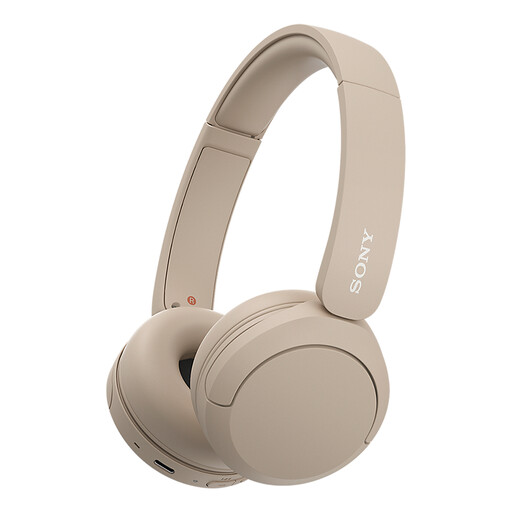
Why it suits this profile: This lightweight on-ear model is suitable for everyday listening, online calls and use with a phone and laptop via multipoint.
The product information states up to 50 hours of battery life, while the technical specifications also mention 40 hours. Therefore, check the current product page and intended usage before buying.
147 grams, USB-C, multipoint, built-in microphone and AAC/SBC support.
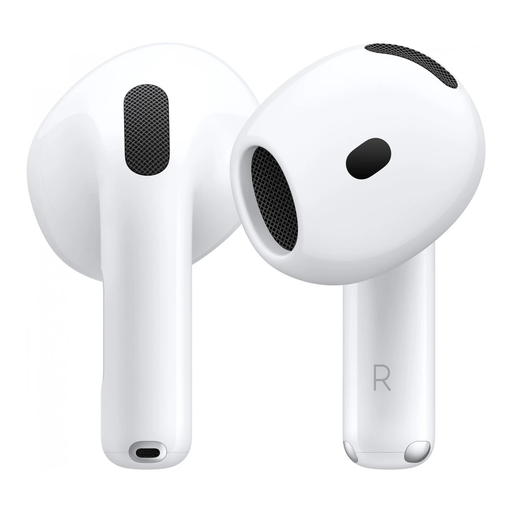
Why it suits this profile: A compact choice for iPhone users who value ANC, Transparency mode, USB-C and integration with Find My.
The product details state up to 5 hours of playback and more than 30 hours with the case. This clearly distinguishes earbud battery life from total battery life.
H2 chip according to Apple, ANC, adaptive audio, IP54 rating and Bluetooth 5.3.
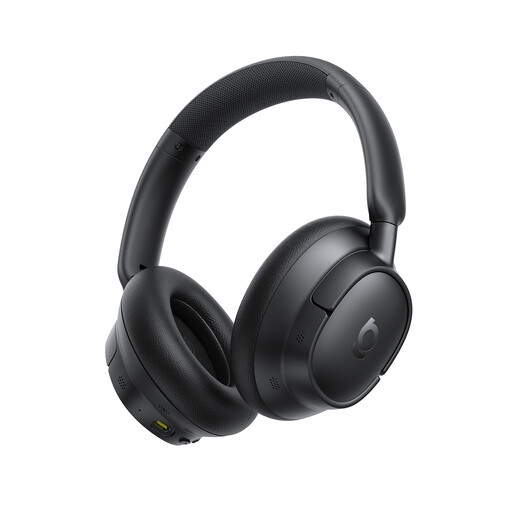
Why it suits this profile: This over-ear model is well suited to long train journeys, working days and users looking for generous playback time and adjustable ANC.
According to the product information, the 80-hour claim applies without ANC; 55 hours is stated with ANC. Check which setting best matches your usage.
Over-ear design, LDAC support according to the product description, USB-C, multipoint and five microphones.
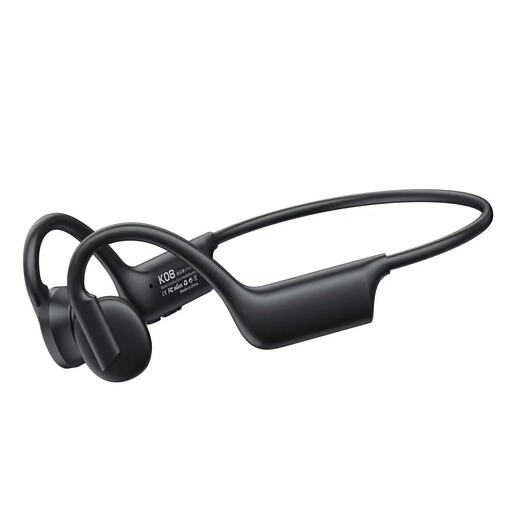
Why it suits this profile: The open-ear design with ear hooks is intended for running, cycling and listening while remaining aware of your surroundings.
The open construction means you should not expect complete isolation. The product information does not state an IP rating, so do not automatically use it in rain or water.
Bluetooth, ear hooks, bilateral stereo, voice control and a stated wireless range of 10 metres or more.
We have compiled a complete, up-to-date list of products that fully meet these strict selection criteria and the applicable European safety regulations.
Turn on Bluetooth on your phone, open the charging case and select the earbuds’ name from the Bluetooth list. An app may be required for the initial pairing. If the connection does not work, put the earbuds back in the case, check the battery and remove any old pairing from your phone.
Usage time depends on battery capacity, charging habits and software. The battery itself loses capacity over time. Do not store a model completely empty for long periods, avoid extreme heat and use a suitable USB-C charger. Also check the warranty terms; within the EU, consumers generally have a statutory conformity period of at least two years.
That depends on the fit and IP rating. Sports earbuds with ear hooks may stay in place better during movement. A clear splash-resistance rating is useful for rain and sweat, but no rating replaces the instructions for use. Dry the earbuds, and especially the charging port, before charging them.
