
Vandaag of morgen in huis

Kwaliteit gegarandeerd

Welkomstaanbiedingen ontgrendelen: GRATIS bezorging | Tot 80% korting | Gratis 30 dagen JoyPlus-proefperiode
Download de app
A wireless pair of headphones may seem easy to choose at first glance. You look at the price, appearance and perhaps a promise such as “long battery life” or “powerful noise cancellation”. Yet many disappointments only emerge after purchase. The fit turns out to be uncomfortable, the microphone performs poorly during meetings or the stated playback time only applies under ideal conditions.
With these practical selection points, you can compare a Bluetooth pair of headphones, wireless earbuds and sports models based on features that genuinely make a difference in everyday use.
A manufacturer may quote a long maximum playback time, but this figure often depends on the volume, codec, active noise cancellation and use of the charging case. So check whether the battery life refers to a single charge or the total duration including the case.
Headphones with long battery life are particularly practical for travelling, working days and long listening sessions. Also pay attention to the charging port, fast-charging function and the time required for a full charge.
A pair of noise-cancelling headphones uses microphones and electronics to reduce background noise. The result varies depending on the situation. Low, constant sounds such as train or aeroplane noise are generally a different challenge from voices or sudden sounds.
If a brand mentions a particular reduction in decibels, present this as a brand claim. According to Baseus product information, the EH10 NC can reduce background noise by up to -45 dB; this is a claim made by the brand and is not a guarantee for every user or environment.
An over-ear or on-ear model may be comfortable in the office but feel warm while running. In-ear earbuds offer a compact design, while open-ear headphones allow ambient sound through. This can be useful when cycling or walking, but usually provides a different listening experience from a closed-back model.
Bone-conduction headphones and an open design are not the same thing. So check the precise construction, attachment method and water resistance instead of relying solely on the product title.
Bluetooth 5.2, 5.3, 5.4 or higher may offer benefits in terms of energy consumption and connectivity, but the final experience also depends on your smartphone, laptop or tablet. Check whether the model supports:
A newer Bluetooth version does not automatically mean better sound quality. The driver, tuning, fit and codec used also play a role.
With TWS earbuds, you should compare three figures: playback time per earbud, playback time with the case and charging time. With wireless headphones, the figure generally refers to a single built-in battery.
Look out for conflicting information. The Sony WH-CH520 product page states a playback time of up to 50 hours, while the technical specifications mention 40 hours. If in doubt, ask which figure applies under which conditions. This helps prevent an appealing marketing claim from becoming your only purchase criterion.
For sports earbuds, weight, attachment and protection against moisture are important. An IPX4 rating is intended for sweat and light splashes; this does not make a product suitable for submersion. IPX5 provides a different level of protection, while IP57 does not mean that you can use every model for swimming without conditions.
Also check:
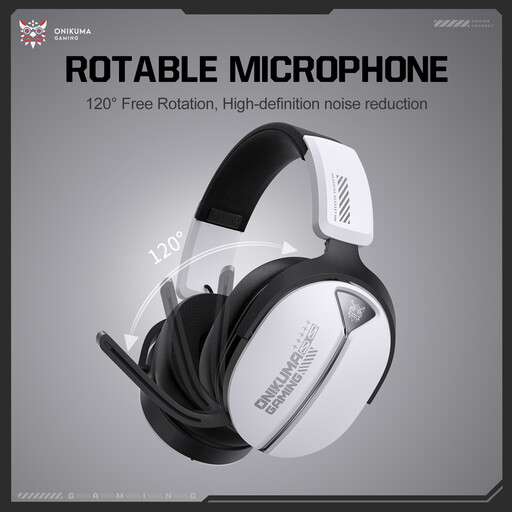
Why this suits the profile: This model is designed for simple everyday use, with a headband, ear cushions and physical controls. The volume control via a scroll wheel is convenient when you do not want to keep reaching for your phone.
The product information states a frequency range of 20 Hz to 20 kHz and independent physical buttons. However, check the full battery and Bluetooth specifications in advance.
Over-ear model with physical controls and a volume wheel; suitable for music, podcasts and everyday commuting.

Why this suits the profile: The product page lists ANC, a dual-speaker system, Bluetooth 6.1, six microphones and support for wireless charging. This suits users who place a high value on features and ecosystem integration.
The specifications state separate playback times with ANC switched on and off. The IP57 rating is not permission to swim; use the warnings as a guide.
ANC, 24-bit/96 kHz according to the product information, USB-C and wireless charging; 6 to 7 hours per charge, depending on ANC.
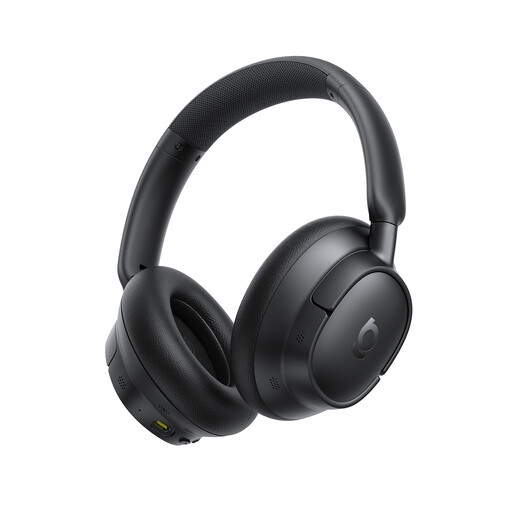
Why this suits the profile: An over-ear model with ANC, microphones and a stated playback time of up to 80 hours without ANC is designed for travelling, working and extended listening.
The product information distinguishes between 80 hours without ANC and 55 hours with ANC. This makes it easier to compare the claim with your own usage.
Over-ear design, LDAC support according to the product page, five microphones and USB-C fast charging.
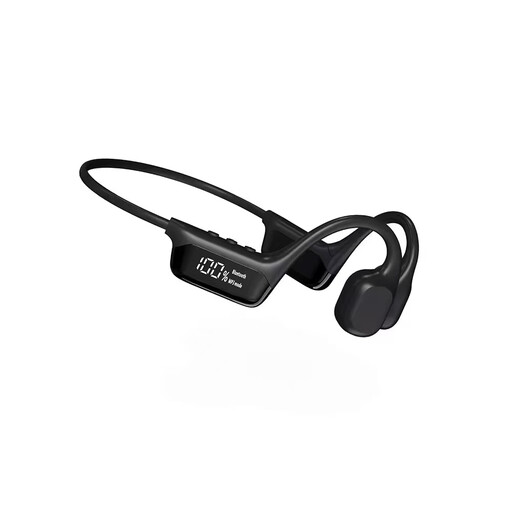
Why this suits the profile: The open-ear design with ear hook is intended for running, cycling and office use. The product page lists Bluetooth 5.3 and a design made from silicone and titanium alloy.
The open design means you are not restricted to sealed earbuds. For swimming, follow the stated mode and drying instructions.
Open-ear sports design, Bluetooth 5.3, multipoint according to the product information and calling functions.
We have put together a complete, up-to-date list of products that fully meet these strict selection criteria and the applicable European safety regulations.
First charge the headphones and switch them on. Then open Bluetooth in your phone’s settings, put the headphones into pairing mode and select the correct model name. Some models require an app for equaliser settings, firmware updates or multipoint. If the connection does not work, remove the old Bluetooth profile and try again.
Their lifespan depends on the battery, hinges, ear cushions, charging habits and exposure to moisture. A battery gradually ages, which means playback time may decrease over time. Store the headphones somewhere dry, charge them with a suitable cable and avoid prolonged exposure to heat. Replaceable ear cushions can extend their practical service life.
Power consumption while charging is generally limited. The main recurring costs are more likely to result from replacement due to wear or loss, particularly with individual TWS earbuds. So check whether a charging case is available separately and whether accessories such as ear tips or cables are easy to replace.
