
Vandaag of morgen in huis

Kwaliteit gegarandeerd

Welkomstaanbiedingen ontgrendelen: GRATIS bezorging | Tot 80% korting | Gratis 30 dagen JoyPlus-proefperiode
Download de app
Wireless headphones make listening and calling easier: no cable running along your jacket, across your desk or inside your gym bag. Yet many models look better on paper than they perform in everyday use. A long battery life, for example, may only apply with active noise cancellation switched off, while “AI noise cancellation” says little about call quality.
As a Joybuy Product Recommendation Officer, I therefore focus primarily on verifiable specifications, wearing comfort and the intended use case for each model. Below, you’ll find what to consider before buying Bluetooth headphones or wireless earbuds.
“Up to 40, 50 or 80 hours” sounds appealing, but always check exactly what that figure refers to. For earbuds, it often means total playback time including the charging case. For noise-cancelling headphones, the stated duration may apply when ANC is switched off.
Also check:
The JBL Wave Buds 2, for example, list up to 40 hours of total playback with ANC switched off. According to the product description, 10 minutes of charging provides up to 3 additional hours of playback. That is practical, but it is not the same as 40 hours of uninterrupted listening from the earbuds themselves.
A Bluetooth 5.4 headset or Bluetooth 6.0 model may offer modern connectivity, but the experience also depends on your phone, laptop, codecs and software. Bluetooth 5.4 alone does not guarantee better sound quality than Bluetooth 5.2.
You should therefore also check:
Active noise cancellation, or ANC, reduces ambient sound through built-in microphones. It does not guarantee that every sound will disappear. Its effectiveness varies according to fit and generally works differently with constant low-frequency noise than with voices or sudden sounds.
An IP rating also has its limits. IP54 or IP55 indicates protection against dust and water splashes according to the stated classification, but it does not automatically mean that you can submerge the earbuds. According to the product information, the Sony WH-CH520 is not water-resistant and is therefore less suitable for rain or intensive exercise.
On-ear headphones rest on the outer ear. This type is often lightweight and compact. According to the product specifications, the Sony WH-CH520 weighs 147 grams and has an adjustable headband. That can make it a comfortable choice for students, commuters and home workers.
Over-ear headphones surround the ear. They often provide greater physical isolation and more room for larger ear cups, but may feel warmer and heavier. For long train journeys or focused work, this can be a sensible option.
In-ear earbuds sit inside the ear canal and are easy to carry. Fit is particularly important: if multiple sizes are included, choose the right ear tip and check that the earbuds remain secure while walking or exercising.
Only compare battery life when the testing conditions are comparable. Headphones with long battery life are convenient for travel, studying and working days, but check whether the manufacturer refers to a single charge or includes the charging case.
Examples from the product information:
Headphones with a microphone are useful for online lessons, video calls and hands-free calling. In addition to the number of microphones, consider their placement, wind filtering and any information about voice noise reduction. Claims about “AI-enhanced clear calls” come from the manufacturer; treat them as product information rather than a guarantee for every environment.
Also consider the weight, headband, ear cushions and controls. Physical buttons can be more reliable when wearing gloves, while touch controls offer a streamlined experience but may sometimes respond unintentionally.
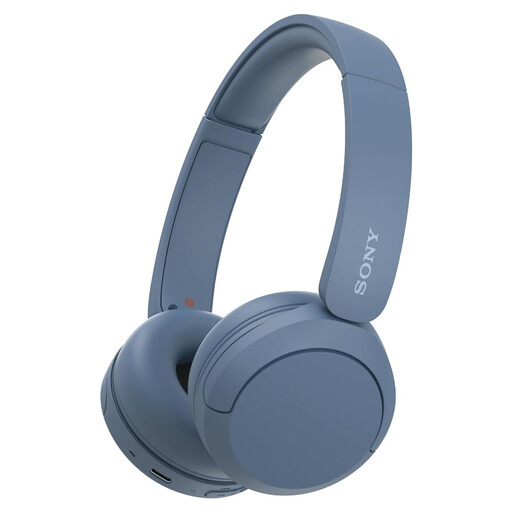
Why This Fits Their Persona: Lightweight on-ear headphones for students, daily commuting and easy listening to music, podcasts and videos.
The product information lists multipoint connectivity and a microphone. However, check the current battery-life details, as different product specifications state 40 and 50 hours.
147 grams, adjustable headband, USB-C and Bluetooth with AAC/SBC codecs according to the product specifications.

Why This Fits Their Persona: For users looking for compact wireless earbuds with ANC, customisable audio and seamless integration with Galaxy devices.
The stated battery life distinguishes between ANC on and off. The IP57 rating covers splashes and dust, not swimming.
Two-way speaker system, six microphones, Bluetooth 6.1, wireless charging and up to 30 hours including the case, according to the product information.
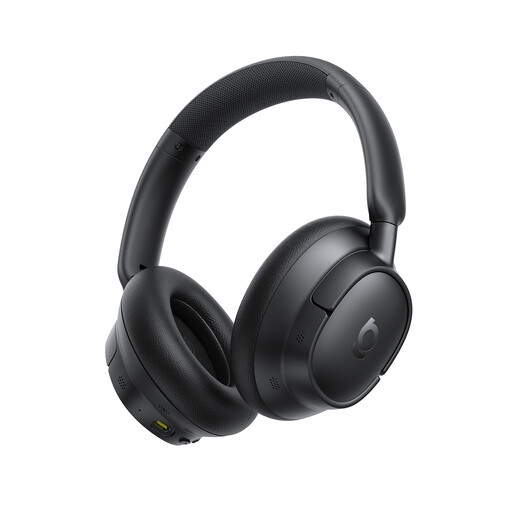
Why This Fits Their Persona: Designed for travellers, remote workers and users who listen or make calls for many consecutive hours.
The manufacturer lists separate playback times with ANC on and off. Treat the stated dB figure as a brand claim, not a guarantee of the same level of attenuation in every environment.
Up to 80 hours with ANC off according to the brand description, Bluetooth 6.0, LDAC and five built-in microphones.
Browse a current selection of products, with attention to the specifications mentioned above and relevant safety requirements.
Most models work with devices that support Bluetooth audio. However, check the Bluetooth profiles, codec support and operating system. Features such as Fast Pair, multipoint or a dedicated app may vary by brand and device.
Service life depends on battery wear, charging habits, moisture, temperature and daily use. A model with replaceable parts or a clear warranty may be more practical over the long term. The Sony WH-CH520 product pages, for example, state a 2-year manufacturer’s warranty. Keep any model dry, charge it with a suitable USB-C charger and avoid prolonged use at high volume.
That depends on your surroundings. ANC can be useful on trains, aeroplanes or in a busy office. At home or while cycling, a more open listening experience may be preferable. Remember that ANC can reduce awareness of ambient sounds, and follow safety guidance to remain alert in traffic.
