
Vandaag of morgen in huis

Kwaliteit gegarandeerd

Welkomstaanbiedingen ontgrendelen: GRATIS bezorging | Tot 80% korting | Gratis 30 dagen JoyPlus-proefperiode
Download de app
Wireless headphones make listening on the go easier: no cable catching on your coat, quick switching between your phone and laptop, and often enough battery life to last several days. Even so, it is not wise to focus solely on a low price, a high number of hours or a prominent feature. Some specifications sound appealing, but reveal little about everyday comfort and practical use.
In this buying guide from the Joybuy Product Recommendation Officer, you’ll discover what to look for, which pitfalls are common and which type of Bluetooth headphones suits your needs.
Long battery life is often presented as one impressive figure. Always check under which conditions this figure applies. Noise cancellation, high volume, phone calls and an active equaliser can increase power consumption.
For some models, the stated number of hours refers to the combined battery life of the earbuds and charging case. That is different from the playback time on a single charge. Over-ear headphones usually state the playback time of the built-in battery, while wireless earbuds often provide separate figures for the earbuds and the case.
An IPX4 rating is intended for situations such as sweat and light rain, not immersion. IPX5 provides protection against water jets, but still does not automatically make a product suitable for use in a swimming pool.
If you are looking for waterproof swimming headphones, check whether swimming is explicitly mentioned as a use case and whether the model has a suitable storage or MP3 function. Always dry the charging port before connecting the headphones.
Active noise cancellation, often abbreviated to ANC, uses electronics to reduce surrounding noise. Passive isolation comes from the ear cushions or the fit. The result varies depending on the shape of your ears, your surroundings and the type of noise.
Claims such as “up to -50 dB” or “blocks 99.7% of surrounding noise” are brand claims. According to the relevant brand’s own tests, such figures may have been measured under specific conditions. They should therefore not be considered a guarantee for every train, workplace or street.
Comfort does not depend solely on the weight of your headphones. Also consider the adjustability of the headband, the thickness of the ear cushions and the shape of the ear cups.
Bluetooth 5.0, 5.2, 5.3 and 6.0 do not directly indicate sound quality. More important for everyday use are the supported profiles, compatibility with your phone and connection stability.
A multipoint connection lets you pair two devices at the same time. This is useful when listening to music from your laptop while taking phone calls on your smartphone. Do check that multipoint is specifically listed for the model, as not every pair of Bluetooth headphones with a recent Bluetooth version supports it.
Look at:
Manufacturers state maximum figures. Actual use may vary depending on volume, codec, distance from the device and enabled functions.
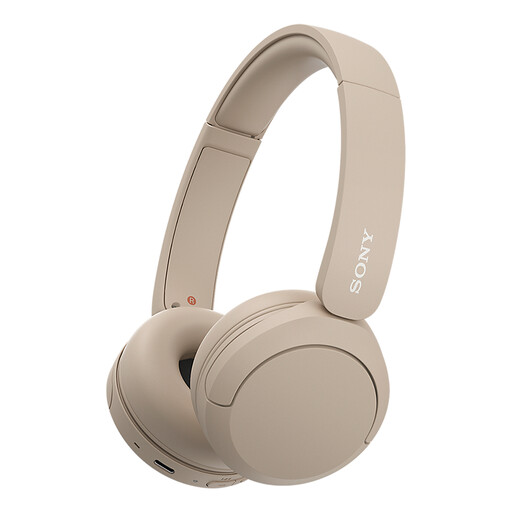
Why it suits this profile: This lightweight on-ear model is suitable for everyday listening, working from home and commuting without the bulk of an over-ear design.
The product information lists specific features such as multipoint, USB-C and a weight of 147 grams, rather than relying solely on general sound claims.
Bluetooth, built-in microphone, multipoint connection, adjustable headband and, according to the product information, up to 50 hours of battery life.
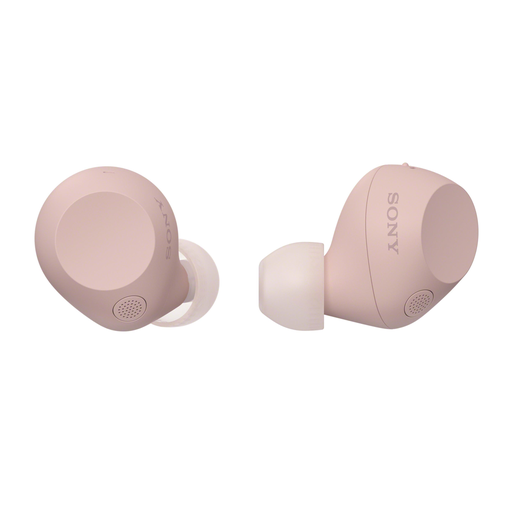
Why it suits this profile: These true wireless earbuds are ideal for users looking for a compact design, ANC, app settings and a connection to two devices.
The IPX4 rating makes it clear that this model is not intended for immersion. Battery life is listed separately with and without noise cancellation.
Bluetooth 5.3, multipoint, app support, IPX4 and, according to the product information, up to 30 hours with ANC or 40 hours without it.
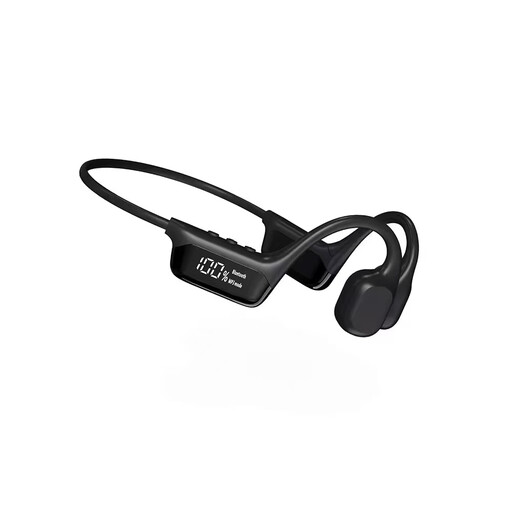
Why it suits this profile: The open-ear design with ear hooks is aimed at running, cycling and office use, and according to the product description, swimming too.
The product information explicitly mentions a swimming mode, keeping the charging port dry and cleaning after use in chlorinated or salt water. Before buying, check which swimming function is actually available.
Bluetooth 5.3, open-ear bone conduction design, multipoint connection, NFC and a stated maximum battery life of 8 hours.
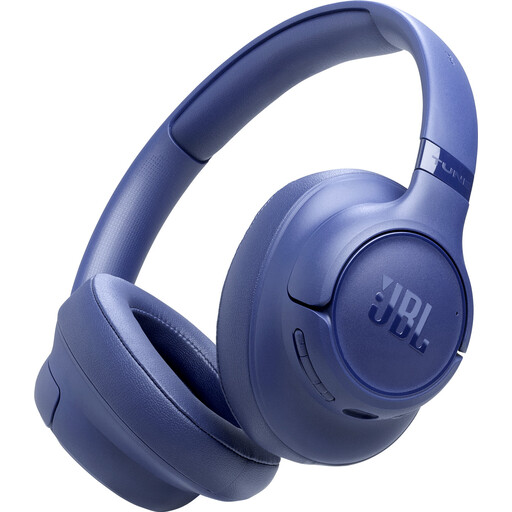
Why it suits this profile: These foldable over-ear headphones are practical for travelling and for users who prefer not to charge frequently.
The stated battery life is linked to Bluetooth use, while the fast-charging function is listed separately. This makes it easier to compare the claim with other models.
40mm drivers, Bluetooth 6.0, multipoint connection, foldable design and, according to the product information, up to 76 hours of playback time.
We’ve put together a complete, up-to-date list of products that fully meet these strict selection criteria and the applicable European safety regulations.
Turn on the headphones and activate pairing mode. Then open the Bluetooth settings on your smartphone and select the model’s name. When connecting for the first time, you may need to confirm the connection or enter a PIN. For multipoint models, check the manual for instructions on pairing a second device.
This varies depending on the design and how you use them. The models in this selection state figures ranging from approximately 8 to 76 hours, but these are maximum values from the product information. ANC, phone calls, volume and temperature affect the actual battery life. Charge the headphones with a suitable USB-C charger and keep the connections dry.
Many models have a built-in microphone. How clearly you can be heard depends on the microphone position, wind and background noise. Headphones with multiple microphones may, according to the product description, offer noise reduction features during calls. However, also check user feedback and the returns policy before making a purchase.
