
Vandaag of morgen in huis

Kwaliteit gegarandeerd

Welkomstaanbiedingen ontgrendelen: GRATIS bezorging | Tot 80% korting | Gratis 30 dagen JoyPlus-proefperiode
Download de app
A wireless headset may seem easy to choose at first glance. However, models vary considerably in comfort, battery life, microphones, water resistance and connectivity. A low price can be tempting, but an unclear battery claim or poorly fitting earbuds can quickly lead to disappointment.
Pay particular attention to these common pitfalls:
An over-ear headset completely surrounds your ear. This can be comfortable when travelling, working from home and listening for longer periods. For example, the Soundcore Space One lists a soft headband, spacious ear cushions and up to 55 hours of battery life according to the product information.
An on-ear model rests on your ear and is often lighter and more compact. According to the stated specifications, the Sony WH-CH520 weighs 147 grams and has an adjustable headband. This is practical for everyday travel, but the earcups do not seal as fully as those of an over-ear model.
In-ear earbuds and wireless earbuds are small and fit in a coat pocket or bag. Check whether the shape and supplied ear tips are suitable for your ears. A good fit is important for comfort, clear conversations and the effectiveness of passive noise isolation.
Do not just compare the highest number. Look at:
The JBL Wave Buds 2 list up to 40 hours of total playback with ANC switched off. According to the specifications, the earbuds provide up to 8 hours per charge, while the case provides additional charges. A fast-charging function can be useful when you have little time left before a train journey.
With headphones with long battery life, it is sensible to check whether the stated number of hours refers to the headphones themselves or the total including a charging case. Manufacturer figures are generally “up to” values; volume, codec, ANC and usage conditions can affect the actual duration.
A stable Bluetooth headset should suit your devices and how you use them. Bluetooth 5.3 headset models may be a modern choice, but also check the supported profiles and codecs. Not every phone or laptop uses the same audio codec.
A multipoint headset can be connected to, for example, a laptop and smartphone at the same time. This is useful when working from home: you can listen on your computer and answer an incoming call on your phone. Do check that multipoint is actually listed in the specifications. The JBL Wave Buds 2 and various Sony models specify a connection with two devices.
For calls, microphones and call noise reduction are more important than simply having a large driver. If you are looking for headphones for music and calls, check for microphones, on-device controls and the option to hear your surroundings when walking outside.
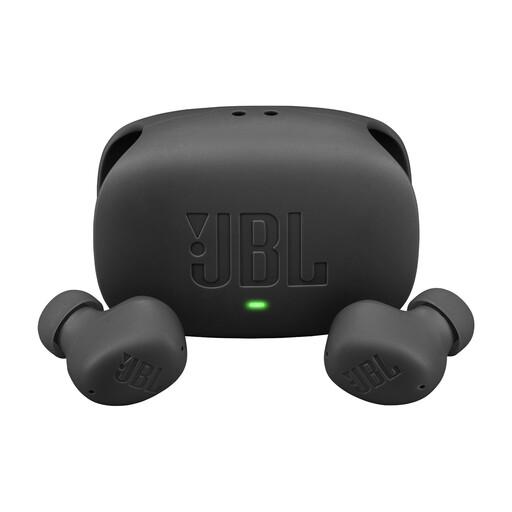
Why it suits this profile: Compact wireless earbuds for everyday use, travelling and calls. According to the product information, they feature ANC, Smart Ambient, multipoint and IP54 protection.
The battery claim explicitly states that up to 40 hours applies with ANC switched off. This allows you to compare the capacity more fairly.
ANC, multipoint, USB-C and IP54 protection for the earbuds. According to the specifications, the case has an IPX2 rating.
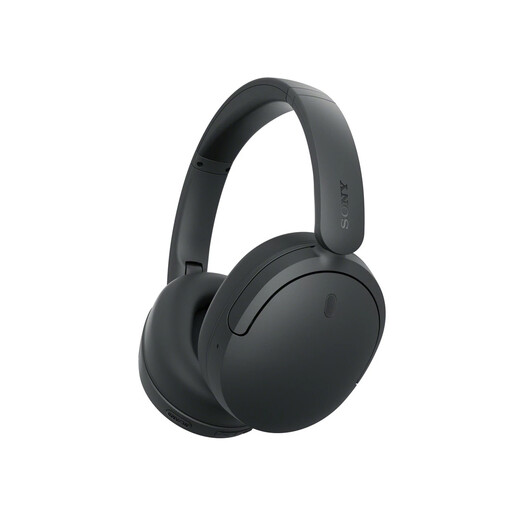
Why it suits this profile: Over-ear headphones for listeners who value ANC, app settings and multipoint. According to Sony’s product information, they support Bluetooth LE Audio.
The product description specifies the usage time separately with noise cancelling switched off. It also clearly mentions app-based controls and multipoint.
Foldable design, Ambient Sound mode, app with equaliser and a stated battery life of up to 75 hours with ANC switched off.
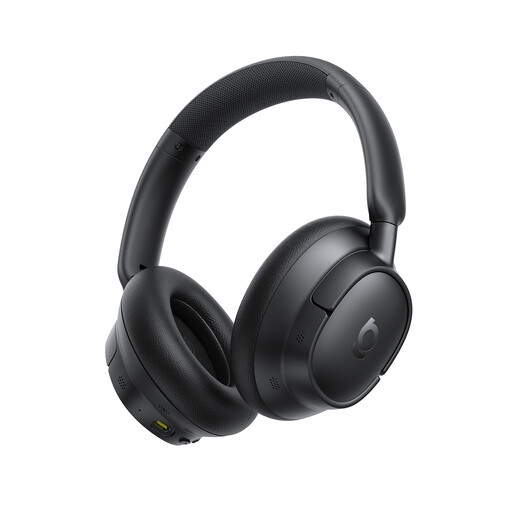
Why it suits this profile: Designed for long working days, travelling and frequent calls. According to the product information, this over-ear model combines ANC, LDAC, Hi-Res and five microphones.
Battery life is broken down clearly: according to the manufacturer, up to 80 hours with ANC switched off and 55 hours with ANC switched on. This makes comparisons clearer.
USB-C fast charging, LDAC support, a stated playback time of up to 80 hours and an over-ear design with soft ear cushions.
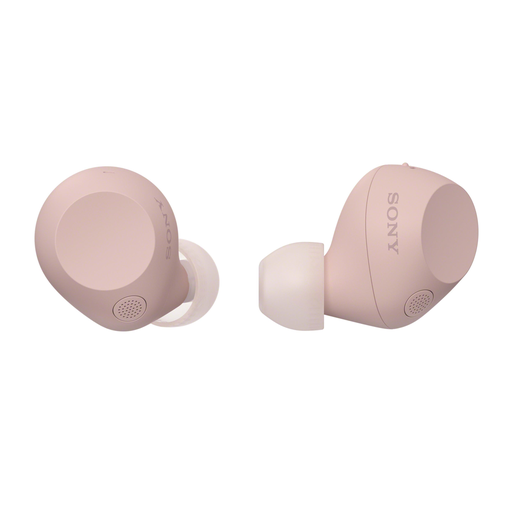
Why it suits this profile: Lightweight in-ear earbuds for commuting, walking and light exercise. The stated IPX4 rating is intended for splashes and light rain, not immersion.
The level of protection is clearly stated. This means you know that this is not a model for swimming or prolonged exposure to large amounts of water.
Bluetooth 5.3, multipoint, ANC, fast charging and, according to the product information, up to 30 hours with ANC switched on or 40 hours without it.
We have put together a complete, up-to-date list of products that fully meet these strict selection criteria and the applicable European safety regulations.
Use this quick checklist before ordering:
First charge the headphones, switch on Bluetooth on your phone and activate pairing mode. Then select the product name from the list of available devices. With some models, Fast Pair, Swift Pair or a brand-specific app can help with the initial connection.
Battery capacity decreases over time. Practical service life depends on charging cycles, heat, usage and storage. Keep the product dry, avoid extreme temperatures and use a suitable USB-C charger. A fast-charging model also remains useful when the battery is nearly empty.
That depends on the fit and IP rating. Sports earbuds with, for example, IPX4 or IP54 protection are, according to their specifications, resistant to limited splashing, but this does not mean they are suitable for swimming. Also check whether ANC can be switched off, so that you can continue to hear enough of your surroundings outdoors.
