
Vandaag of morgen in huis

Kwaliteit gegarandeerd

Welkomstaanbiedingen ontgrendelen: GRATIS bezorging | Tot 80% korting | Gratis 30 dagen JoyPlus-proefperiode
Download de app
A pair of wireless headphones may seem easy to choose at first glance. However, models vary considerably in comfort, battery life, noise isolation and connectivity. A low price can be appealing, but an uncomfortable fit, disappointing microphone or unclear battery claim can quickly make a purchase less practical.
This buying guide helps you compare models for work, study, travel, sport, phone calls and gaming. The recommendations are based on verifiable product information and intended use.
Manufacturers often state the maximum playback time. This figure may depend on the volume, codec used, noise cancelling and the number of charges provided by the case. A pair of headphones with long battery life may therefore last less time in practice when ANC is switched on continuously.
When comparing products, look at:
The Sony WH-CH520 product page lists different battery figures: the product description mentions up to 50 hours, while the specifications state 40 hours. Always check the latest product information before placing your order.
A pair of noise-cancelling headphones uses microphones and electronic processing to reduce surrounding noise. The result varies depending on the type of sound, fit and surroundings. Low, constant sounds such as train or aeroplane noise are generally a different kind of challenge from voices or sudden sounds.
According to the brands’ product information, the Samsung Galaxy Buds4 Pro, Baseus EH10 NC and JBL Wave Buds 2 are among the models with active noise cancellation. Treat such claims as product specifications, not as a guarantee that every sound will disappear. A good seal around the ear or well-fitting earbuds remains important.
An IP rating indicates the type of exposure against which a product is protected according to the stated standard. IP54 or IPX5 does not automatically mean that you can swim with the product. According to the product information, the Samsung Galaxy Buds4 Pro are rated IP57, but the safety information states that they are not intended for swimming.
Therefore, check:
Over-ear Bluetooth headphones surround the ear and can therefore provide passive noise isolation. This style is often suitable for travel and extended listening, but may feel warmer and heavier.
An on-ear model rests on the ear. According to the product specifications, the Sony WH-CH520 weighs 147 grams and has an adjustable headband and soft ear cushions. This can be useful for everyday use and commuting.
Wireless earbuds are compact and fit into a charging case. Fit is crucial here. A model with several sizes of ear tips may stay in place better than one with a single fixed size.
A bone-conduction headset or other open-ear model leaves the ear canal largely unobstructed. According to the product information, the Verbex BL-09 has an open-ear design, ear-hook construction and Bluetooth 5.3. This may suit running or cycling when you want to remain aware of your surroundings. For swimming, follow the specified mode and drying instructions carefully.
A higher Bluetooth version does not automatically mean better sound. Above all, check whether your phone, laptop and other devices are compatible. For work and study, multipoint Bluetooth is practical: it allows headphones to remain connected to two devices and switch between, for example, a laptop and a phone.
The Sony WH-CH520 lists multipoint connectivity. According to their product information, the JBL Wave Buds 2 and Baseus EH10 NC are also offered with features for connecting to multiple devices. For Bluetooth headphones, also check microphone support, codec compatibility and the stated range.
For Teams calls, phone calls and online lessons, the number and positioning of microphones are more relevant than simply seeing the term “AI”. According to the product information, the Samsung Galaxy Buds4 Pro use six microphones. The JBL Quantum 300 has a directional microphone, but this model is wired via 3.5 mm and is therefore not a fully wireless gaming headset.
Also consider your surroundings: wind, traffic and an open design can affect how clearly you can be heard. Read user information and check whether the microphone function is supported by your device.
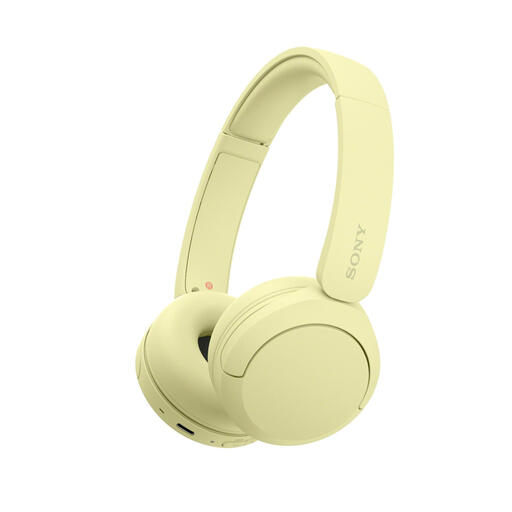
Why it suits this profile: Compact on-ear headphones for music, podcasts, study and everyday travel, without the extra bulk of an over-ear model.
The product specifications list weight, Bluetooth, microphone and multipoint separately. However, check the differing battery life claims on the product page.
147 grams, adjustable headband, USB-C and connection to two devices according to the product information.
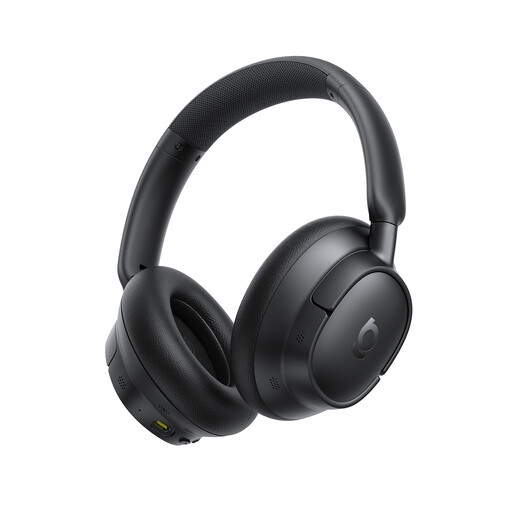
Why it suits this profile: An over-ear model for travel, office work and long listening sessions where ANC, comfort and playback time are important.
The stated playback time is split between ANC on and off. According to Baseus, this means up to 55 hours with ANC and 80 hours without ANC.
Bluetooth 6.0, multipoint, USB-C, LDAC support and a stated weight-friendly over-ear construction.
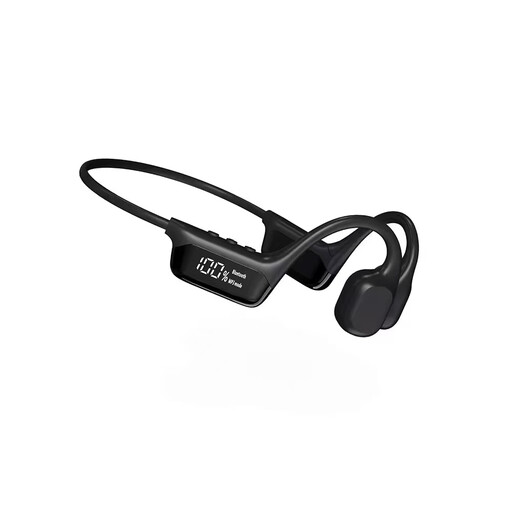
Why it suits this profile: Open-ear sports headphones for running, cycling and situations where you do not want to be completely cut off from your surroundings.
The open-ear design means you do not rely solely on active noise cancellation. For swimming, the correct mode must be used and the charging port must be dry.
Bluetooth 5.3, ear-hook design, multipoint function and a stated battery life of up to 8 hours.
We have put together a complete, up-to-date list of products that fully meet these strict selection criteria and the applicable European safety regulations.
First, charge the headphones and switch on Bluetooth on your phone. Open the Bluetooth settings, activate the headphones’ pairing mode and select the correct product name. For some models, Google Fast Pair, Microsoft Swift Pair or a brand app can help with the first connection. If it does not work, remove an old pairing and try again.
Battery life depends on the battery, charging frequency, temperature and how the headphones are stored. A battery may lose capacity over time. Store the headphones in a dry place, avoid extreme heat and use a suitable USB-C charger. With earbuds, also check the battery life of the individual earbuds and the case.
You do not pay a subscription for Bluetooth. However, you do need to recharge the battery regularly, and a battery may offer less capacity after prolonged use. A wired model, such as a classic JBL headset with a 3.5 mm connection, does not need charging but depends on having a suitable port. The choice therefore mainly comes down to convenience, compatibility and how you intend to use it.
