
Vandaag of morgen in huis

Kwaliteit gegarandeerd

Welkomstaanbiedingen ontgrendelen: GRATIS bezorging | Tot 80% korting | Gratis 30 dagen JoyPlus-proefperiode
Download de app
Wireless headphones are useful for commuting, working from home, travelling, exercising and making phone calls. However, a long list of features does not automatically mean that a model will suit the way you use it. A low price may be tempting, but the wrong fit, disappointing battery life or unclear water resistance can quickly lead to a poor purchase.
In this buying guide from the Joybuy Product Recommendation Officer, we focus on verifiable specifications. This helps you see which features matter and which wireless headphones are right for your everyday use.
Manufacturers sometimes quote the playback time of a single earbud, while other brands include the charging case when stating battery life. Noise cancelling also affects power consumption. Always compare:
Headphones with long battery life are particularly practical if you travel often or do not want to charge them every day. Also check whether the stated time is based on a particular volume level.
The IP rating indicates the conditions against which a product has been tested. IPX4, for example, is designed to protect against splashes and sweat, but not immersion. IPX5 offers greater protection against water jets, but it is not a general guarantee that the product is suitable for swimming.
When choosing sports earbuds, pay attention to the exact code and the warnings on the product page. A charging case often has a lower water-resistance rating than the earbuds themselves. Never charge a wet device until its connectors are completely dry.
Active noise cancelling, often abbreviated to ANC, uses microphones and electronics to reduce ambient noise. Passive isolation is created by ear cushions or earbuds that seal the ear canal. Performance varies depending on the individual, the fit and the surroundings.
A brand’s own research may state that a certain number of decibels can be reduced. Treat this as a product specification provided by the manufacturer, not as a guarantee for every user. In traffic, an open-ear design may actually be more practical, as it allows you to remain aware of surrounding sounds.
First choose between over-ear, on-ear, in-ear, open-ear or bone-conduction headphones:
Comfortable headphones should fit securely without feeling tight. Consider the weight, adjustability, earbud materials and whether you can wear the model for extended periods.
A Bluetooth headset with a recent Bluetooth version may handle connections more efficiently, but the version alone does not determine the complete user experience. Also check:
For headphones for calls, multiple microphones are useful on paper, but how clearly you can be heard also depends on wind, background noise and microphone placement.
Check the IP rating, charging instructions and warnings. Do not use earbuds while cycling or driving if they prevent you from hearing what is happening around you properly. Do not listen at high volume for extended periods, and take regular breaks. This is general usage information, not a medical assessment.
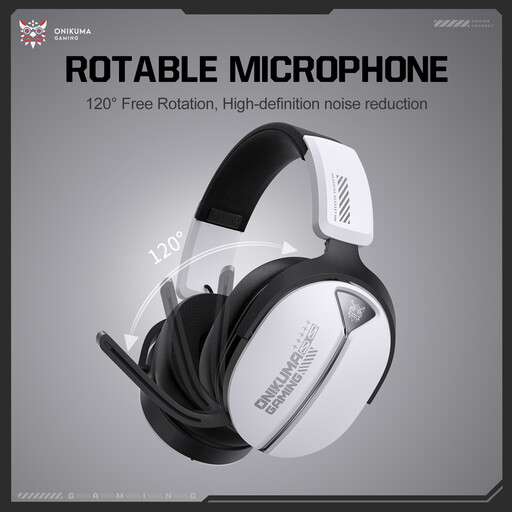
Why it suits this profile: This model has a straightforward headband design and physical buttons on the earcup. The scroll-wheel volume control is practical for everyday use without needing a touchscreen.
The product information states a frequency range of 20 Hz–20 kHz and physical controls. Before buying, check the stated battery life and water resistance, as these details are not fully included in the product description.
Headband model with physical buttons and a stated frequency range of 20 Hz–20 kHz.

Why it suits this profile: This model is aimed at users who value features such as ANC, spatial audio, wireless charging and extensive sound settings.
The product page distinguishes between 6 hours of playback with ANC and 7 hours without ANC. According to the warning, the IP57 rating is intended for splashes, not swimming.
2-way speaker system, 6 microphones, 9-band equaliser and USB-C plus wireless charging.
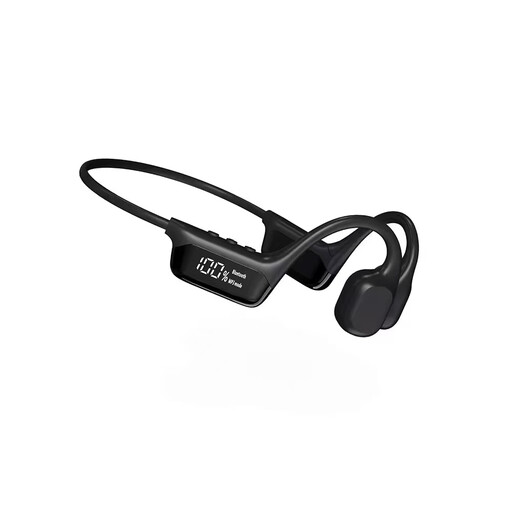
Why it suits this profile: The open-ear bone-conduction design is intended for running, cycling, office use and situations where you want to remain aware of ambient sound.
The product information states a Bluetooth range of 10 metres or more, Bluetooth 5.3 and a swimming mode. Before using it in water, check the exact water-resistance rating and dry the charging port completely.
Open-ear design, multipoint connection, call function and, according to the product page, support for swimming.
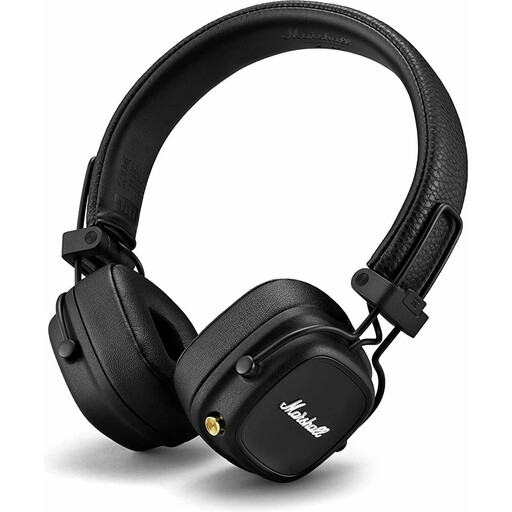
Why it suits this profile: The product page states more than 80 hours of wireless playback, a foldable design and wireless charging. That makes it suitable for travelling and regular use away from a power socket.
The stated playback time is clearly described as wireless playback time. Bear in mind that this is an on-ear model with no stated water resistance.
More than 80 hours of stated playback time, wireless charging, a foldable design and control via a physical button.
We have put together a complete, up-to-date list of products that fully meet these strict selection criteria and the applicable European safety regulations.
Put the headphones into pairing mode, open Bluetooth in your phone’s settings and select the correct product name. With true wireless earbuds, you will usually need to place both earbuds in the charging case first. If the connection does not work, remove the previous pairing and try again.
Their lifespan depends on battery usage, charging, storage and physical wear. A lithium battery loses capacity over time. Store your headphones in a dry place, avoid heat and do not leave a flat battery unused for extended periods. Also check whether replacement ear cushions or a separate charging case are available.
Besides the purchase price, your main cost is the electricity used for charging. This consumption is generally limited. Pay particular attention to potential additional costs, such as a replacement charging case, extra earbuds or a subscription for app features. A model that better suits the way you use it is less likely to result in a second purchase.
