
Vandaag of morgen in huis

Kwaliteit gegarandeerd

Welkomstaanbiedingen ontgrendelen: GRATIS bezorging | Tot 80% korting | Gratis 30 dagen JoyPlus-proefperiode
Download de app
A wireless headset may seem simple to choose: switch on Bluetooth, select a colour and place your order. Yet many buyers later find themselves disappointed by limited battery life, an uncomfortable fit or poor clarity during phone calls. Terms such as “noise cancelling”, “water-resistant” and “long playtime” do not always tell the whole story either.
With this practical buying guide, you can compare Bluetooth headphones, wireless earbuds and open-ear models based on features that really matter in the UK: commuting, calls, sport, travel and everyday listening.
A quoted battery life may apply with active noise cancellation switched off, at a particular volume and with a fully charged charging case. With noise-cancelling headphones, usage time is often lower when ANC is enabled. So check:
In practice, a model with 40 hours of total playtime may still need to be returned to its case several times during the day.
An IP code is important for sports earbuds, but it has a limited meaning. IPX4, for example, indicates protection against splashing water, while IP55 also indicates protection against dust. Neither rating automatically means that you can submerge the product or use it in heavy rain for extended periods.
Also pay attention to the difference between the earbuds and the charging case. With some models, only the earbuds are splash-resistant. Dry the earbuds before placing them in the case.
Noise-cancelling earbuds are only comfortable when they create a good seal. The wrong size can result in sound leakage, weaker bass or pressure in your ears. With over-ear headphones, the shape of the ear cushions, the weight and the adjustability of the headband play a bigger role.
Open-ear models work differently. They do not block the ear canal, so you can hear your surroundings more clearly. This can be practical when walking or exercising, but you will also hear more background noise on a busy train.
Choose a design that suits your daily routine:
Bluetooth 5.3 or 5.4 mainly tells you about the connection standard, not automatically about sound quality. Also look for features such as multipoint, which allows you to connect, for example, a laptop and smartphone at the same time.
For a wireless headset for calls and music, the number of microphones, wind-noise reduction and microphone placement are more relevant than the Bluetooth version alone. Also check whether the manufacturer requires an app for equaliser settings, firmware updates or ANC adjustments.
Compare the stated figures directly. Here are a few examples from the range:
Do not use headphones at a high volume for extended periods. Noise cancelling and open-ear features are not a substitute for staying alert in traffic either. Always follow local traffic regulations.
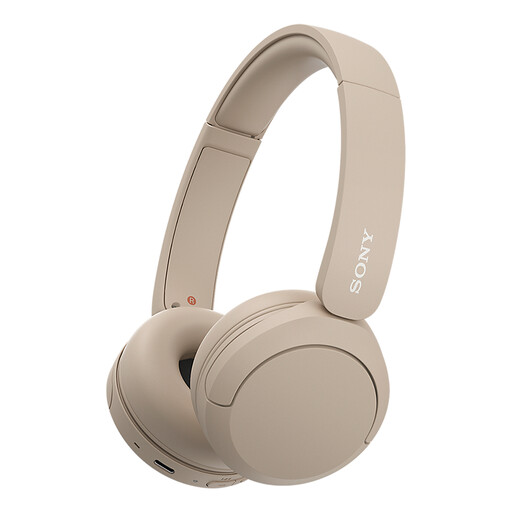
Why it suits this profile: A lightweight on-ear model for everyday listening, online meetings and use on the go. The product information states that it supports multipoint and offers up to 50 hours of battery life.
The stated battery life and weight of 147 grams are listed in the product specifications. The model is not water-resistant, so you do not need to treat it as a sports model by mistake.
USB-C, microphone, multipoint connection and support for the Sony app.
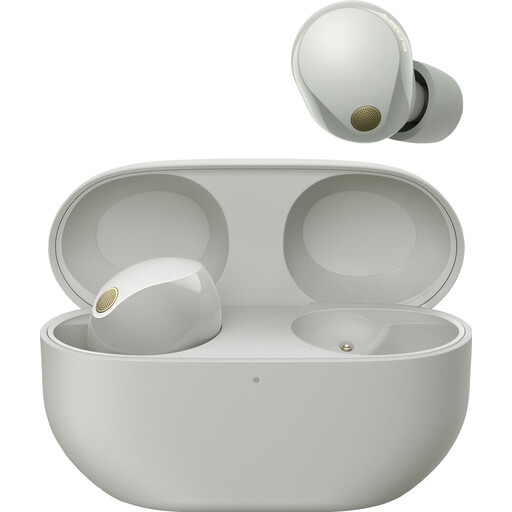
Why it suits this profile: For travellers and music lovers looking for compact true wireless earbuds with active noise cancellation and multipoint.
The product details explicitly state 8 hours of battery life with ANC and 12 hours without it, plus up to 24 hours with the case. This makes the difference between per-charge and total battery life clear.
Bluetooth 5.3, IPX4, multipoint and fast charging: according to the product information, three minutes of charging provides up to 60 minutes of playback.
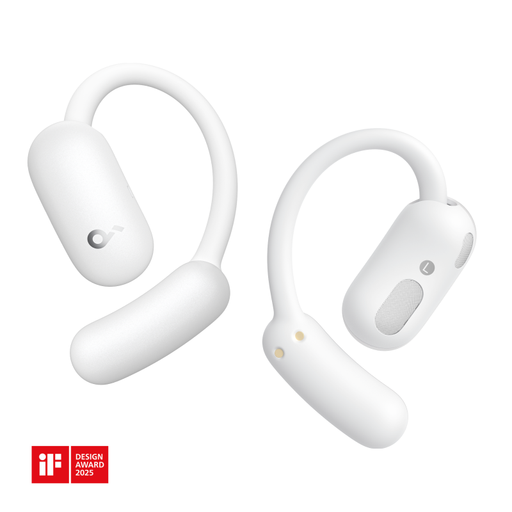
Why it suits this profile: Open-ear headphones for walking, commuting and exercise when you want to remain aware of your surroundings.
The open design means you do not rely solely on active noise cancellation. The IP55 rating is more clearly defined than general claims of being “waterproof”.
Bluetooth 5.4, two microphones, button controls and a 750 mAh battery according to the product specifications.
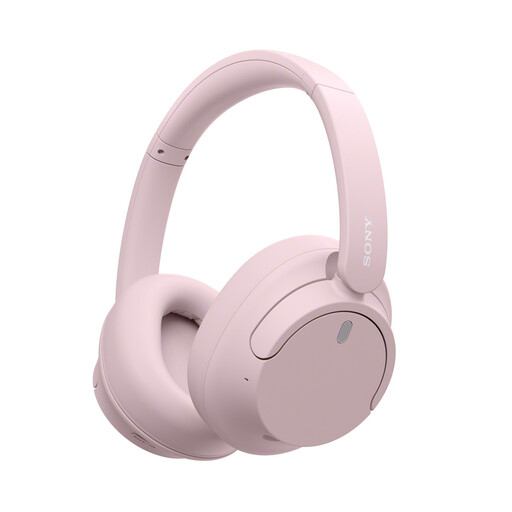
Why it suits this profile: Lightweight over-ear headphones for train journeys, office work and long listening sessions with active noise cancellation.
The product specifications distinguish between battery life with and without ANC. Multipoint and USB-C are also clearly listed, so you can use the model at work and with your smartphone.
192 grams, multipoint connection, USB-C and app control with adjustable noise cancelling.
We have put together a complete, up-to-date list of products that fully meet these strict selection criteria and the applicable European safety regulations.
Activate Bluetooth on your smartphone, charge the headphones and open the Bluetooth settings. Put the model into pairing mode and select the product name. With some models, the first connection is made through an app. If pairing does not work, remove a previously saved connection and try again.
Usage time per charge varies considerably: compact earbuds often last a few hours, while over-ear models can offer dozens of hours. Product lifespan depends, among other things, on charging cycles, heat, moisture and careful use. Store earbuds in the case and charge them with a suitable cable.
Yes, active noise cancellation uses additional energy. Always compare two figures: the playtime with ANC switched on and the playtime without ANC. Also check whether the charging case provides additional full charges. This helps prevent a quoted “long battery life” from falling short of your actual needs.
