
Vandaag of morgen in huis

Kwaliteit gegarandeerd

Welkomstaanbiedingen ontgrendelen: GRATIS bezorging | Tot 80% korting | Gratis 30 dagen JoyPlus-proefperiode
Download de app
A wireless headphone may seem easy to choose at first glance. However, models vary considerably in comfort, battery life, microphones, water resistance and noise isolation. A low price can be tempting, but you may not notice a poor fit or unclear product specification until several weeks later.
This buying guide helps you turn marketing claims into practical choices for music, films, calls, travel, exercise and everyday use.
Manufacturers often state the maximum playback time. This figure usually applies at a particular volume and sometimes with active noise cancellation switched off. A Bluetooth headphone with 40 hours of playback may therefore last less in practice when ANC, phone calls or high volume are used regularly.
Pay attention to:
A noise-cancelling headphone uses microphones and electronics to reduce ambient sound. ANC generally works best with constant low-frequency noise, such as the sound of a train, aeroplane or air conditioning. Voices, sudden noises and traffic may still be audible.
According to brands’ own product information, performance can vary by model and environment. Use transparency mode when you need to hear your surroundings, and do not wear ANC headphones while cycling, driving or operating machinery.
Over-ear headphones can be comfortable during a long working day, but may feel warm or become too heavy. In-ear earbuds are lightweight and compact, but do not stay equally secure in everyone’s ears. With wireless earbuds, the supplied ear tips are therefore important.
Check the following before buying:
Bluetooth 5.1, 5.2, 5.3 or 5.4 provides an indication of the wireless connection, but does not by itself determine how good the sound will be. Codecs, software and the connected device also play a part. Check that the Bluetooth headphones work with your iPhone, Samsung phone, Android device, tablet and laptop.
Features such as multipoint are useful when you want to connect to, for example, a laptop and smartphone at the same time. However, check whether multipoint is supported by your operating system and with the features you want to use.
With True Wireless earbuds, total usage time usually consists of several charges provided by the case. Pay attention to the difference between:
A model with longer battery life is particularly useful for travel, long working days and commuting. For everyday use, a compact case with fast charging may be more important than a high theoretical total runtime.
An IP rating describes protection against dust and water. IPX4, for example, means protection against splashing water, while IPX5 generally indicates protection against water jets from certain directions. This does not automatically make a product suitable for swimming.
Check whether the rating applies to both the earbuds and the charging case. With some models, the earbuds are splash-resistant but the case is not.
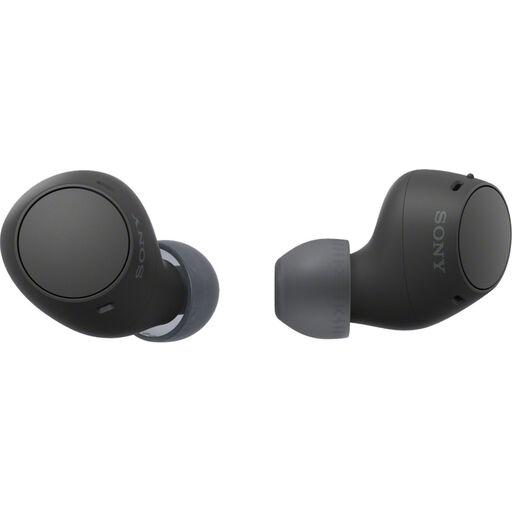
Why it suits this profile: Compact in-ear earbuds for everyday use, with Bluetooth 5.3, multipoint and a supplied charging case.
The product specification states 22 hours of total battery life, IPX4 splash protection and a weight of 4.6 grams per earbud.
Bluetooth 5.3, USB-C, multipoint and support for Android and iOS.
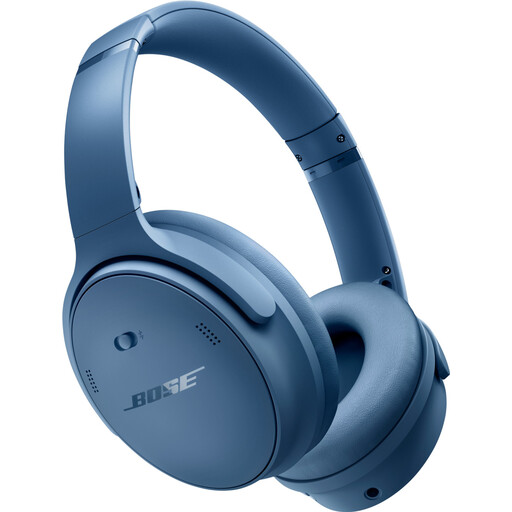
Why it suits this profile: Over-ear headphones for long listening sessions, working from home, travelling and watching films.
The choice of over-ear earcups and several noise-cancelling modes makes it easier to balance comfort and awareness of your surroundings.
Bluetooth 5.1, a stated battery life of 24 hours, a weight of 240 grams, and 2.5mm and 3.5mm connections.
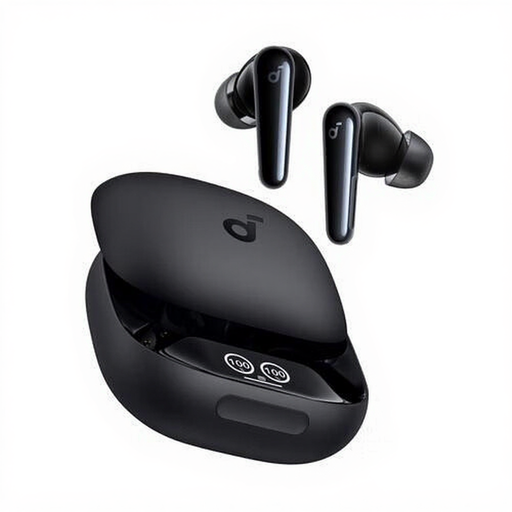
Why it suits this profile: Designed for calls, music, exercise and everyday use, thanks to TWS, six microphones and IPX5 splash protection.
The specification distinguishes between the earbuds and the charging case, and mentions additional ear tips so that you can adjust the fit.
Up to 10 hours of continuous audio playback, USB-C, dynamic drivers and touch controls.
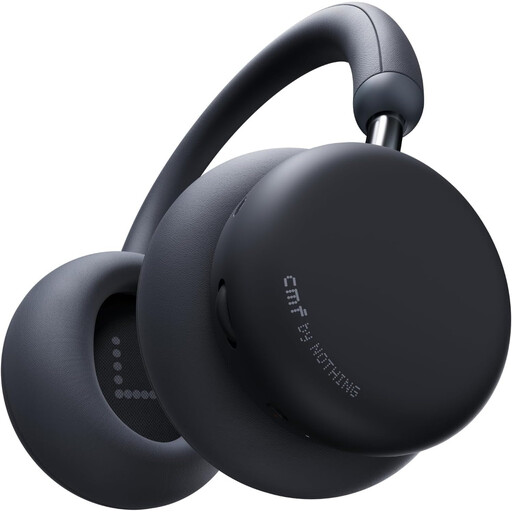
Why it suits this profile: An over-ear model for users who value long battery life, ANC and connections to multiple devices.
The stated playback time is specified for ANC switched on and off. A transparency mode and several ANC modes are also available.
Up to 100 hours without ANC, 48 hours with ANC, Bluetooth 5.4, LDAC support and replaceable ear cushions.
We have put together a complete, up-to-date list of products that fully meet these strict selection criteria and the applicable European safety regulations.
Switch on Bluetooth on your smartphone, put the headphones or earbuds into pairing mode, and select the product name from the Bluetooth list. With some Apple, Samsung and Android models, a shortcut appears on the screen. If the connection does not work, remove the previous pairing and try again.
Battery capacity decreases over time, but usage time varies by model and how it is used. High volumes, phone calls and ANC generally consume more power. Do not store wireless headphones completely flat for long periods, and use a suitable USB-C charger. A model with replaceable ear cushions may remain practical to use for longer.
That depends on the number of microphones, their positioning and the voice-processing software. Check the product specifications for details of the microphones and calling capabilities, but bear in mind that performance also depends on wind, traffic and the phone being used. For regular calls, multipoint and a stable Bluetooth connection are useful extras.
