
Vandaag of morgen in huis

Kwaliteit gegarandeerd

Welkomstaanbiedingen ontgrendelen: GRATIS bezorging | Tot 80% korting | Gratis 30 dagen JoyPlus-proefperiode
Download de app
Wireless headphones are ideal for listening to music, travelling, working from home and making calls. However, a high price or a long list of features does not automatically mean a model will suit the way you use it. Bluetooth headphones, in particular, come with a few common pitfalls.
The first is confusion about battery life. Manufacturers often state the maximum playback time without active noise cancellation. With ANC, a higher volume and phone calls, actual usage time may be shorter. Always check the battery life both with and without ANC.
Another common pitfall is confusing passive sound isolation with active noise cancellation. Well-sealed ear cushions can reduce background noise, but that does not mean the headphones have an ANC system. For noise-cancelling headphones, active noise cancellation should be explicitly listed in the product specifications.
Comfort is also sometimes underestimated. Lightweight on-ear headphones can be comfortable when travelling, while over-ear headphones provide more coverage but may feel warmer. With wireless earbuds and in-ear earbuds, the fit is especially important: a loose fit can affect sound isolation and call quality.
First decide how often you want to charge your headphones. For a daily commute, 20 to 30 hours may be enough. If you travel frequently or would rather not carry a cable around, look for headphones with long battery life.
Pay attention to these points:
For example, the Apple AirPods 4 with ANC offer up to 5 hours of playback per charge and more than 30 hours with the case. An over-ear model may offer considerably longer battery life, but the device is usually larger and heavier.
ANC headphones use microphones and electronic processing to reduce certain constant sounds, such as train engines or aircraft noise. The system is not equally effective against every type of sound. Voices and sudden noises may still be audible.
ANC is not the only important feature for calls. Check whether the headphones have a built-in microphone and support multipoint. With multipoint, you can connect a laptop and phone at the same time, for example. This is particularly useful when working in a hybrid environment.
A transparency mode can be useful when you need to hear traffic, announcements or colleagues. Do not use noise cancellation while cycling, driving or in any other situation where you need to hear your surroundings.
An on-ear model rests on your ears and is often compact. Over-ear headphones surround your ears and can provide more passive isolation. Wireless earbuds are small and suitable for sports, but check the IP rating.
Also consider the weight, how adjustable the headband is and whether the ear cushions can be replaced. A sturdy hinge and a protective case are useful for everyday transport.
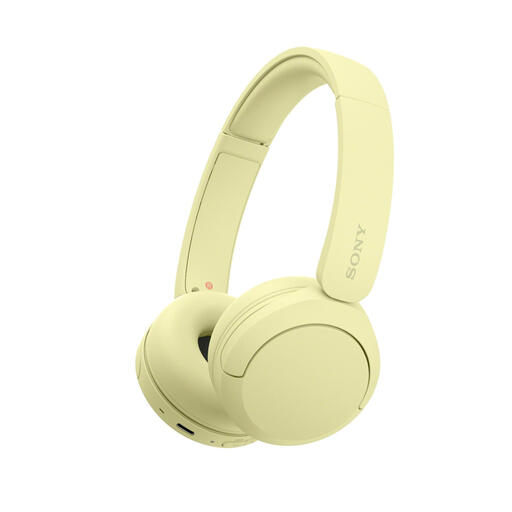
Why it suits this profile: Weighing 147 grams, this lightweight on-ear model is suitable for music, podcasts and everyday calls without having to carry around a bulky design.
The battery life, multipoint connection and USB-C port are clearly stated in the product information. Bear in mind that this model does not have active noise cancellation.
147 grams, Bluetooth, microphone and multipoint. The product description states up to 50 hours of battery life; check the current specification before ordering.
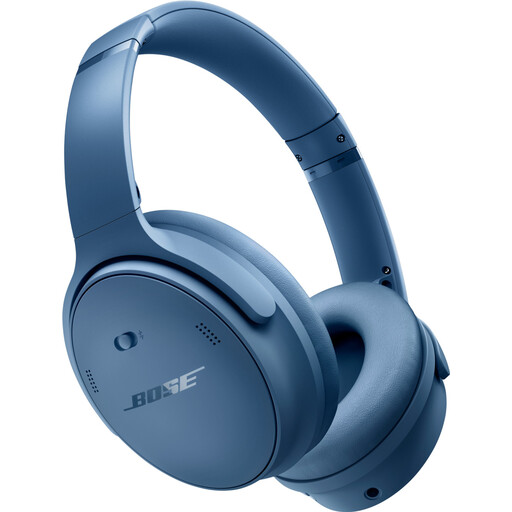
Why it suits this profile: The over-ear design and active noise cancellation are well suited to long listening sessions, travelling and working in places with a lot of background noise.
The product information states ANC, an over-ear design and up to 24 hours of battery life. This makes it clear that the battery capacity is lower than that of some models without ANC.
Active noise cancellation, Bluetooth 5.1, an over-ear fit and support for 2.5mm and 3.5mm connections.
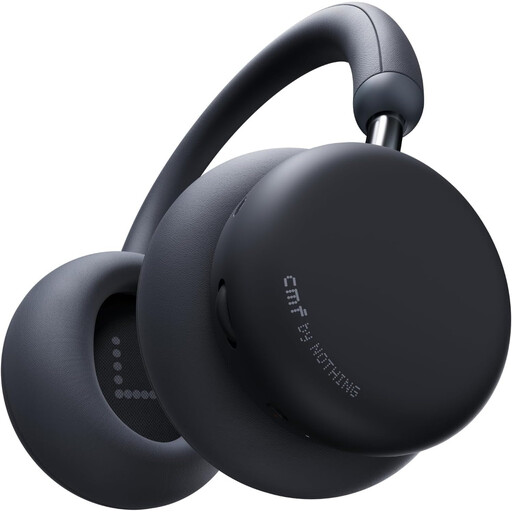
Why it suits this profile: Frequent travellers, home workers and people who use several devices will appreciate features such as hybrid ANC, dual-device connectivity and the long stated playback time.
The specifications distinguish between 100 hours without ANC and 48 hours with ANC. This lets you immediately see which figure is relevant to the way you use the headphones.
40mm drivers, LDAC support, Bluetooth 5.4, replaceable ear cushions and 5 minutes of charging for up to 8 hours, according to the product information.
We have put together a complete, up-to-date list of products that fully meet these strict selection criteria and the applicable European safety regulations.
Switch on Bluetooth on your phone, turn on the headphones and activate pairing mode. Then select the product name from the Bluetooth list. With some models, Google Fast Pair, Microsoft Swift Pair or a brand app can help with the initial connection. After pairing, check that the correct microphone and audio output have been selected.
Battery life depends on battery capacity, charging habits, volume and ANC usage. Battery capacity will decrease over time. Keep the device dry, avoid extreme heat and use a suitable USB-C charger. A model with replaceable ear cushions can remain comfortable for longer, even when the electronics are still working well.
They can be, but call quality varies depending on the model and surroundings. Look at the number of microphones, whether microphone noise cancellation is available and what users say in their reviews. When travelling in traffic or cycling, switch on transparency mode or remove the headphones so you can remain aware of ambient sounds.
