
Vandaag of morgen in huis

Kwaliteit gegarandeerd

Welkomstaanbiedingen ontgrendelen: GRATIS bezorging | Tot 80% korting | Gratis 30 dagen JoyPlus-proefperiode
Download de app
A pair of wireless headphones may seem simple to choose, until you have to decide between Bluetooth headphones, wireless earbuds, an over-ear model or an open-ear design. Marketing terms such as “AI noise cancellation”, “long battery life” and “water resistant” do not always tell you what you actually need in practice.
This guide helps you avoid a disappointing purchase. We explain which specifications matter, which features are often misunderstood and which type suits the way you use headphones in the Netherlands.
A stated playback time often applies under specific conditions, such as at 50% volume with noise cancelling switched off. A pair of headphones with long battery life may therefore last for less time in practice when ANC, higher volumes or phone calls are used.
When comparing products, look at:
Active Noise Cancelling, or ANC, uses microphones and electronics to reduce background noise. Its effectiveness varies by model and surroundings. Low, constant sounds such as train or aircraft noise are often easier to reduce than voices or sudden sounds.
Claims such as “up to -45 dB” or “up to -50 dB” come from the brand’s product information. Treat these figures as stated product specifications rather than a guarantee that you will have the same experience in every situation.
An in-ear pair of headphones may offer excellent features on paper, but still feel uncomfortable if the earbuds do not fit securely. A poor fit can also reduce sound isolation. Check whether several sizes of ear tips are included and whether the model is suitable for extended wear.
Over-ear headphones distribute their weight differently, but may feel warmer. For exercise, open-ear or bone conduction headphones may be more comfortable because you can continue to hear your surroundings more clearly. In that case, check the water resistance carefully: IP54, IP55 and IP57 do not mean that a product is automatically suitable for swimming.
Bluetooth 5.2, 5.3 and 5.4 provide a modern connection, but your actual experience also depends on your smartphone, laptop and the codecs used. For everyday listening and calls, a stable connection and a good microphone are particularly important.
Apple users often benefit from easy pairing with Apple devices. Android users should check whether the companion app and its features work on their phone. A model with multipoint can be connected to, for example, a laptop and smartphone at the same time. This is useful when working from home.
The first and second digits of an IP rating indicate protection against dust and water. A higher rating does not mean that every type of use is permitted. Always check the product warnings. Earbuds and charging ports must be dry when charging, even if the model is splash resistant.
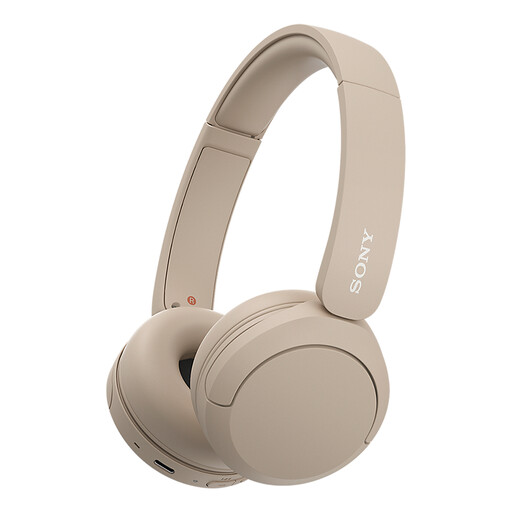
Why it suits this profile: This on-ear model is lightweight, with a stated weight of 147 grams, and offers Bluetooth, a microphone and multipoint connectivity for everyday listening and calls.
The product information lists the playback time and fast-charging function separately. It also clearly states that the model is not water resistant.
Bluetooth 5.2, USB-C, multipoint and support for the Sony Headphones Connect app.
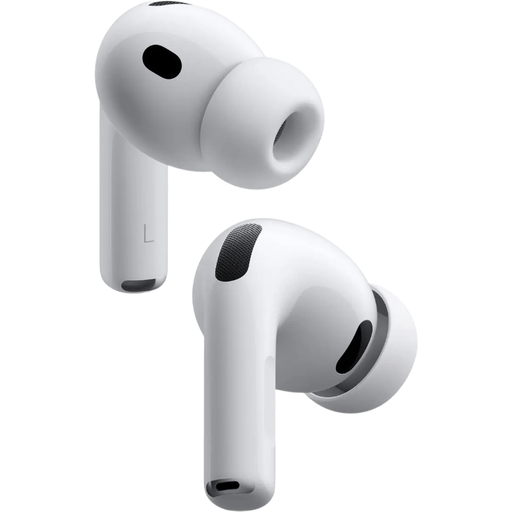
Why it suits this profile: According to the product description, Apple users get an in-ear design with active noise cancellation, spatial audio and several sizes of silicone ear tips.
The five included sizes of ear tips help you fine-tune the fit. The stated battery life with noise cancelling is listed separately.
Bluetooth 5.3, wireless and USB-C charging, an IP57 rating according to the product specifications, and a built-in microphone.
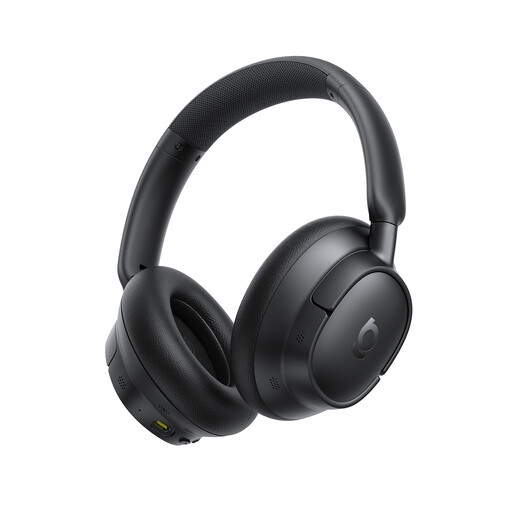
Why it suits this profile: This over-ear model is aimed at travellers, people working from home and users looking for headphones with long battery life and adjustable ANC.
The product information distinguishes between up to 80 hours without ANC and 55 hours with ANC. This makes it easier to compare the claim with your own usage.
Bluetooth 6.0, LDAC support, five microphones according to the product description, and a stated playback time of 55 hours with ANC.
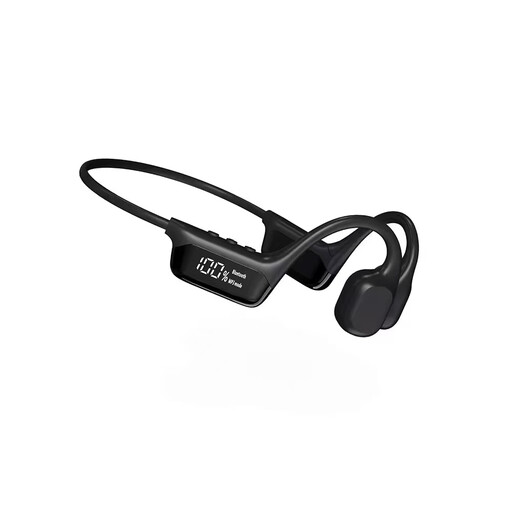
Why it suits this profile: According to the product information, the open-ear bone conduction design is intended for activities including running, cycling and office work.
The product information mentions an open-ear design and an IP57 rating. The warning to keep the charging port dry remains important.
Bluetooth 5.3, multipoint connectivity, a microphone and a stated battery life of eight hours.
First, consider where you will use the headphones. For train journeys and air travel, noise-cancelling headphones are an obvious choice. For calls and work, microphone quality and multipoint connectivity are important. Athletes should focus on fit, IP rating and how much surrounding sound remains audible.
Then check the complete product page for compatibility, accessories, warranty terms and safety warnings. Also look out for conflicting battery-life figures: a figure per earbud, per charge and including the case are different measurements.
We have put together a complete, up-to-date list of products that fully meet these strict selection criteria and the applicable European safety regulations.
Switch on Bluetooth on your smartphone, open the Bluetooth settings and put the headphones into pairing mode. Select the product name from the list. With Apple and some Android models, an automatic setup screen appears when you open the charging case.
Battery capacity, volume, ANC usage and charging habits all affect battery life. Keep earbuds in their case when you are not using them and avoid prolonged exposure to heat or moisture. The built-in battery is generally not designed to be replaced by the user.
That depends on the fit and IP rating. Sports headphones with a secure attachment and splash protection may be suitable for running or cycling. A model is only suitable for swimming when the manufacturer explicitly states this and the instructions specify the correct mode and limitations.
