
Vandaag of morgen in huis

Kwaliteit gegarandeerd

Welkomstaanbiedingen ontgrendelen: GRATIS bezorging | Tot 80% korting | Gratis 30 dagen JoyPlus-proefperiode
Download de app
Wireless headphones make listening to music, following podcasts and making hands-free calls easy. However, a long list of features does not automatically mean a model will suit the way you use it. Bluetooth headphones for train journeys have different requirements from sports earbuds for running or over-ear headphones for working from home.
Pay particular attention to these three common pitfalls:
The design largely determines comfort and how you can use the headphones.
Look at two figures: the playtime of the earbuds or headphones per charge and the total playtime with the charging case. A model with USB-C is practical because the same cable is often used for a phone or tablet as well.
Pay attention to the conditions behind the claim. The product information for the Sony WH-CH520 states up to 50 hours of battery life, while the technical specifications also list 40 hours. Always check the latest product specifications and do not rely solely on a marketing statement.
For the Apple AirPods 4 with active noise cancellation, the product information states up to 5 hours of listening per charge and more than 30 hours with the case. Playtime can therefore differ with ANC switched on compared with when it is switched off.
The IP code indicates the conditions against which a product is protected according to its stated rating. Examples from the range include:
A pair of Bluetooth headphones without a stated water-resistance rating should not be left in a wet sports bag or worn under a waterproof jacket during a long bike ride.
Bluetooth 5.x or higher can provide a stable connection and lower energy consumption, but in practice this also depends on your phone, laptop and surroundings. Multipoint is useful if you want to switch between a smartphone and laptop. For calls, the number and positioning of the microphones are relevant, but terms such as “crystal-clear calls” remain marketing claims. Assess them as product information, not as a guaranteed result.
Active noise cancellation, or ANC, uses microphones and electronic signal processing. According to the product information from the relevant brands, it is intended to reduce surrounding noise. It does not replace staying alert and safe in traffic.
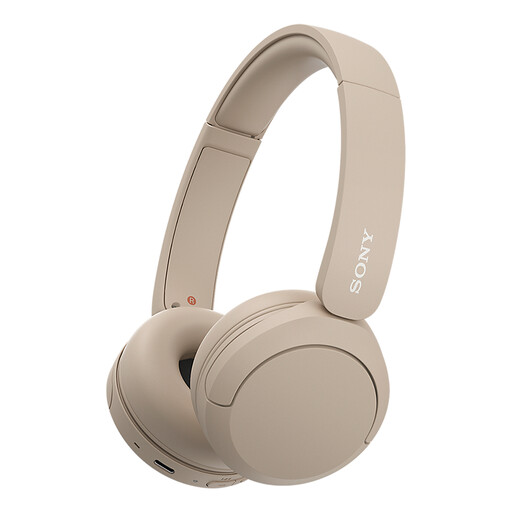
Why it suits this profile: This lightweight 147-gram on-ear headset is designed for everyday listening, calls and use on the go. The adjustable headband and buttons are easy to use.
The battery information lists several figures, so check which playtime applies to the way you intend to use it before buying. The model is also not water-resistant, so it does not need to be treated as sports earbuds.
Bluetooth, microphone, multipoint connection, USB-C and a stated battery life of up to 50 hours according to the product description.

Why it suits this profile: This over-ear model is designed for long listening sessions at home, in the office or while travelling. The ear cushions surround the ear, and the product information lists ANC and multipoint.
The stated battery life is 24 hours, making it clearer than a claim that mixes the charging case and earbuds together. This model is not intended for wet conditions.
Bluetooth 5.3, active noise cancellation, multipoint, a supplied audio cable and a weight of 380 grams.

Why it suits this profile: The open-ear design is aimed at running, cycling, fitness and swimming. The product name and specifications list IP68, 32 GB of storage and a built-in MP3 player.
You do not need to block out your surroundings completely while exercising. However, check the manual for use in chlorinated or salt water, and dry the product before charging it.
Open-ear design, IP68 rating according to the product listing, 32 GB of storage and wireless Bluetooth connectivity.
We have put together a complete, up-to-date list of products that fully meet these strict selection criteria and the applicable European safety regulations.
Turn on Bluetooth on your iPhone or Android phone. For TWS earbuds, open the charging case or press and hold the headphones’ power button. Select the product name from the Bluetooth list and follow any on-screen instructions. With multipoint, you may need to pair one device first and then the second.
The playtime per charge ranges from a few hours for compact wireless earbuds to dozens of hours for an over-ear model. The product’s lifespan depends partly on charging cycles, heat, moisture and careful storage. Keep earbuds in their case, and do not charge a battery using damaged cables or adapters.
That depends on the fit and IP rating. Sports earbuds with ear hooks, clips or an open-ear design often stay in place better during movement. Check whether the model is only splash-resistant or has a higher protection rating. Do not use audio equipment in situations where you need to focus fully on traffic or other sounds around you.
