
Vandaag of morgen in huis

Kwaliteit gegarandeerd

Welkomstaanbiedingen ontgrendelen: GRATIS bezorging | Tot 80% korting | Gratis 30 dagen JoyPlus-proefperiode
Download de app
A wireless headset may seem like an obvious choice on paper. Bluetooth, long battery life and noise cancellation all sound appealing, but these terms do not always tell you how comfortable a model is in everyday use. For example, a pair of headphones may offer long playback time but feel uncomfortable during a train journey. A sports model may appear sturdy yet still offer insufficient protection against rain.
The right choice therefore depends on how you plan to use them: listening to music, making calls, travelling, exercising or wearing them for long periods. Below, you’ll discover which pitfalls to avoid and which specifications you should actually compare.
A manufacturer may measure battery life at a particular volume, without active noise cancellation or under ideal conditions. Actual playback time may therefore be lower. Always check the conditions attached to the stated figure.
Headphones with long battery life are particularly practical if you travel often or do not want to charge them every day. Also look for fast charging, USB-C and battery life with active noise cancellation switched on.
Noise-cancelling headphones use microphones and electronic processing to reduce ambient noise. Their performance varies between models and types of sound. Low, constant noises such as train or aircraft engines are often easier to suppress than voices or sudden sounds.
Manufacturer specifications about noise cancellation are claims made by the brand. Results based on a brand’s own research or measurements may, for example, be expressed in decibels, but this does not mean that every sound will be reduced by the same amount. Also check whether there is a transparency mode, especially if you walk or cycle outdoors.
Over-ear headphones surround the ear and can be comfortable during long listening sessions, but they take up more space. On-ear models are often more compact, but may put pressure on the outer ear. In-ear earbuds are small and light, but the fit varies considerably from person to person.
Check the weight, type of ear cushion, adjustability and whether multiple sizes of ear tips are included. With an open-ear or ear-clip model, ambient sounds remain easier to hear, but the sound profile and sound isolation differ from those of closed earbuds.
First, choose the shape that suits your routine:
An open design is not automatically safer in every situation. Do not use headphones while driving, cycling or carrying out other activities where you need to remain alert.
Bluetooth 5.1, 5.3 or 5.4 mainly provides information about the wireless connection and compatibility. The Bluetooth version alone does not determine sound quality. Also look at supported codecs, such as SBC, AAC or LDAC, and features such as multipoint.
Multipoint allows headphones to be connected to two devices at the same time. This is useful when switching between a laptop and smartphone for music and calls. Do check that your devices support these features.
Compare:
An IPX4 rating means protection against splashing water under the usual classification, but not against immersion. A higher rating offers more protection, but always follow the manufacturer’s official instructions. For example, the Anker Soundcore C40i lists IPX4, while the Anker Sport X20 lists IP68 in its product specifications. Do not use a model in water if the manual does not permit it.
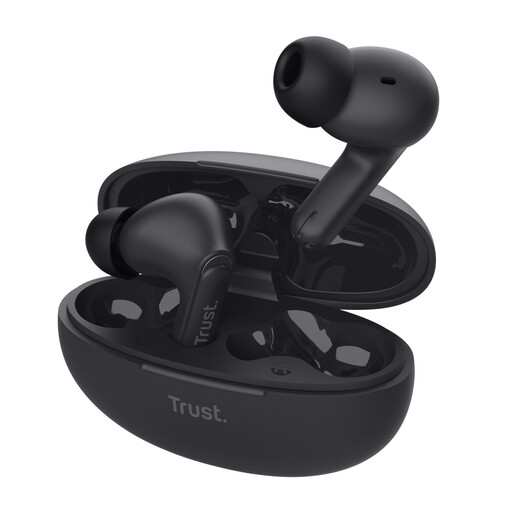
Why it suits this profile: These wireless earbuds are designed for everyday use, calls and listening to music. According to the product specifications, the earbuds offer up to 6 hours of playback and up to 23 hours with the charging case.
Playback time per charge and with the case are listed separately. This allows you to compare battery capacity more realistically than with one general claim.
True wireless design, USB-C charging, touch controls and two microphones with ENC for calls, according to the product description.

Why it suits this profile: This over-ear model is designed for listening to music and extended use. The product information states up to 60 hours of playback and active, adjustable noise cancellation.
The battery life, weight and presence of four microphones are clearly stated. Bear in mind that, according to the product information, this model is not water-resistant.
42mm transducers according to the product description, USB-C fast charging, a 3.5mm connection and an app with equaliser functions.
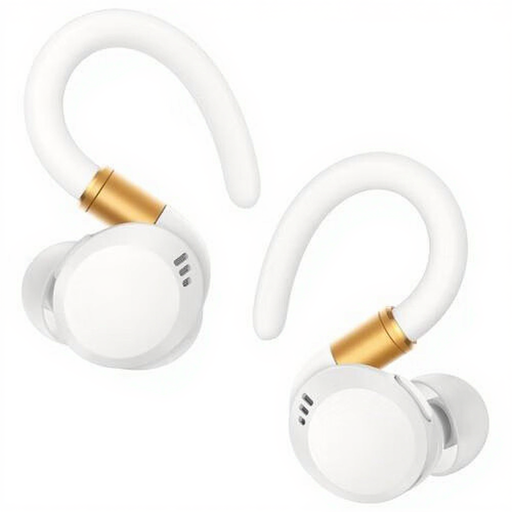
Why it suits this profile: This sports model has an in-ear design, control buttons, a charging case and, according to the product specifications, up to 12 hours of playback per charge.
The IP68 rating is explicitly stated in the product specifications. Still, check the manual before use and do not connect the charging case when it is wet.
Support for AAC and SBC, physical buttons for volume and playback, plus a USB-C cable and charging case.
We’ve put together a complete, up-to-date list of products that fully meet these strict selection criteria and the applicable European safety regulations.
For wireless headphones for music and calls, microphones, controls and connectivity are every bit as important as the speakers. Check whether the model has a microphone and how calls are controlled. A physical button may be more convenient in cold weather than touch controls.
Also consider the returns policy, statutory guarantee and clear information about the manufacturer or responsible person in the EU. For a product with a lithium battery, proper storage, suitable charging and avoiding extreme heat are important. Do not listen at high volume for extended periods and take regular breaks.
First charge the headphones, switch on Bluetooth on your smartphone and put the device into pairing mode. Then select the product name from the Bluetooth list. Some models display an automatic pop-up; otherwise, pair them manually through the settings.
Their lifespan depends on battery use, charging habits, storage and build quality. The stated playback time does not indicate exactly how long the battery will retain the same capacity over several years. Store the headphones in a dry place, avoid extreme temperatures and use a suitable USB-C charger.
They can be, provided the fit is secure and the IP rating is suitable for your activity. Check whether the protection covers sweat and splashing water, or immersion as well. Allow the earbuds and charging case to dry completely before charging them.
