
Vandaag of morgen in huis

Kwaliteit gegarandeerd

Welkomstaanbiedingen ontgrendelen: GRATIS bezorging | Tot 80% korting | Gratis 30 dagen JoyPlus-proefperiode
Download de app
A pair of wireless headphones may seem easy to choose at first glance. However, models vary considerably in comfort, battery life, microphone quality and noise cancellation. A low price can be tempting, but an unsuitable fit, limited connectivity or disappointing battery life can quickly make a purchase less practical.
Pay particular attention to three common pitfalls:
Over-ear headphones surround the ear and generally provide more passive sound isolation than an on-ear model. The trade-off is that over-ear models are larger and sometimes heavier. On-ear Bluetooth headphones are often easier to carry around, but may put more pressure on the outer ear after extended use.
So check:
Comfortable headphones are largely a personal choice. Read the product specifications, but also consider the shape of your head, whether you wear glasses and the ambient temperature.
Headphones with long battery life are useful for train journeys, working days and everyday use. Do not just look at the highest figure; also check the conditions under which it applies.
Examples from the product specifications:
The information for some models may vary between product listings. The Sony WH-CH520 description mentions up to 50 hours, while the technical specifications state 40 hours. Always check the current product page before placing your order.
USB-C is now a practical standard. A fast-charging function can be useful when you have little time before setting off. Also check whether the headphones can be used while charging and whether a wired connection is available.
Bluetooth 5.0, 5.2, 5.3 or 5.4 mainly indicates the connection technology. The actual experience also depends on the device, codec and distance from the source. For working and making calls, a built-in microphone and multipoint connection are often more important than the Bluetooth version number alone.
Look out for these points:
With noise cancellation, it is sensible to read the description carefully. According to brands’ own product information, specific reduction figures are sometimes stated. Treat such figures as product specifications under certain conditions, rather than a guarantee that all background noise will disappear.
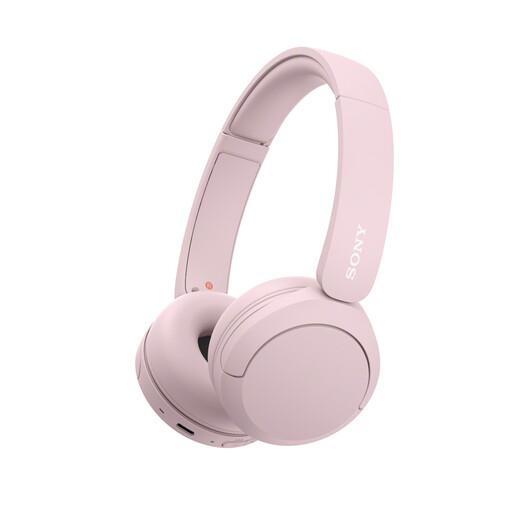
Why it suits this profile: This lightweight on-ear model has a stated weight of 147 grams and offers Bluetooth, a microphone and multipoint for everyday use.
The specifications list specific features and a low weight, so you do not have to rely as heavily on general comfort claims.
147 grams, USB-C, built-in microphone and multipoint connection. The product listing also mentions fast charging.
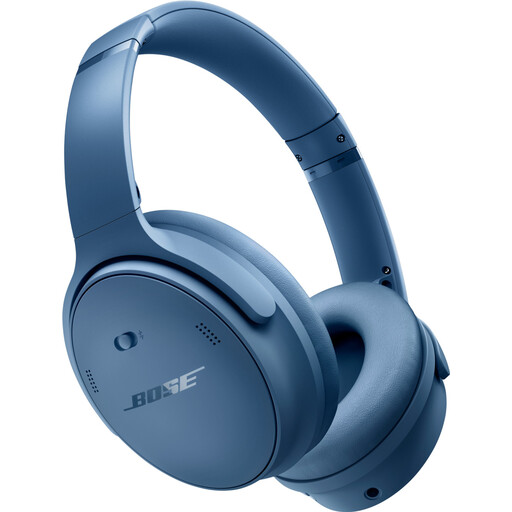
Why it suits this profile: These over-ear headphones are designed for extended listening and feature active noise cancellation, Bluetooth and a weight of 240 grams.
The 24-hour battery life is stated clearly, allowing you to compare it with models that claim longer playback times.
Active noise cancellation, over-ear fit, Bluetooth 5.1 and a carry case included according to the product information.
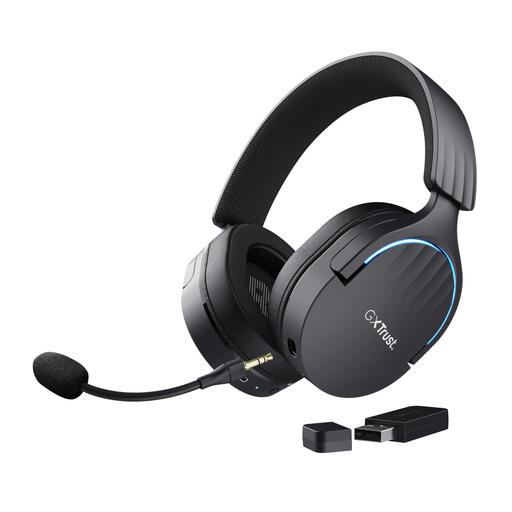
Why it suits this profile: For gaming on PC or console, this model offers 2.4GHz wireless, Bluetooth and a wired option, plus a detachable microphone.
The connection options are clearly specified, so you are less dependent on Bluetooth when low latency or compatibility is important.
2.4GHz and Bluetooth, 3.5mm connection, 50mm drivers, virtual 7.1 sound and up to 22 hours of use according to the product details.
We have put together a complete, up-to-date list of products that fully meet these strict selection criteria and the applicable European safety regulations.
Switch on the headphones and activate pairing mode. Then open your smartphone’s Bluetooth settings and select the device name. When connecting for the first time, you may see a confirmation request or PIN. If it does not work, remove an old pairing and try again. Also check that the headphones are not already connected to another device.
Battery life per charge varies considerably: in the selection mentioned, it ranges from approximately 22 to 55 hours, depending on the model and features. Overall lifespan depends on charging cycles, storage, moisture and everyday use. Use the supplied or a suitable USB-C cable, avoid extreme heat and do not continue charging a damaged or swollen battery.
That depends on how you use your headphones. Active noise cancellation can be practical on a train, aeroplane or in a busy office. For listening at home, a well-fitting pair of over-ear headphones without ANC may be sufficient. As well as the ANC function, compare battery life, weight, microphone quality and whether noise cancellation can be switched off. When cycling, driving or in other traffic situations, always stay aware of your surroundings and follow local regulations.
