
Vandaag of morgen in huis

Kwaliteit gegarandeerd

Welkomstaanbiedingen ontgrendelen: GRATIS bezorging | Tot 80% korting | Gratis 30 dagen JoyPlus-proefperiode
Download de app
Wireless headphones make listening to music, taking video calls and following podcasts easier. However, there is a huge range to choose from: from Bluetooth headphones for working from home to wireless earbuds for sport. Marketing terms such as “noise cancellation”, “long battery life” and “hi-fi sound” only mean something when you check the technical details.
The key question is therefore not which model sounds the most popular, but which design suits the way you use it. Pay particular attention to comfort, actual playtime, microphone quality, water resistance and how the headphones connect.
Manufacturers often state the maximum battery life. This figure may apply at a particular volume, with noise cancellation switched off or including the capacity of a charging case. So always check:
With headphones offering long battery life, the difference between 40, 50 and 76 hours is relevant, but real-world performance depends on volume, codec, calls and active features.
Noise-cancelling headphones use microphones and electronics to reduce surrounding noise. This can be particularly helpful on a train, in an office or on a flight, but it does not mean that every sound disappears. Voices, sudden noises and high frequencies may still be audible.
With wireless earbuds, the fit is just as important. Earbuds that do not seal properly may block out less ambient noise, even if the product specifications state a high ANC value. Claims such as “up to -50 dB” come from the brand’s or manufacturer’s product description and should not be interpreted as fixed performance in all circumstances.
Over-ear headphones surround the ear and generally provide greater physical isolation. On the other hand, they can be larger and warmer to wear. On-ear models rest on the ear and are often lighter, but may cause pressure over longer periods.
In-ear earbuds are compact and suitable for use on the go. However, the fit varies from person to person. For running or cycling, ear hooks, a neckband or an open-ear design may be more practical. For sports use, also check the IP rating. IP54, IP55 or IP57 does not automatically mean that a product is suitable for swimming. Always follow the specific usage restrictions in the manual.
Bluetooth 5.2, 5.3, 5.4 or 6.0 refers to the Bluetooth version used, but a higher version number does not in itself guarantee better sound. More important is whether the headphones are compatible with your phone, tablet or laptop and which audio codecs they support, such as SBC, AAC or LDAC.
Multipoint Bluetooth headphones can remain connected to two devices at the same time. This is useful if you work on your laptop and want to take calls on your smartphone. However, check whether multipoint works with your operating system and whether certain features are only available through an app.
Compare the battery life of the headphones or earbuds separately. With true wireless models, the charging case also matters. Also look for:
A high stated capacity is no guarantee of a long service life. Lithium batteries wear out through use and charging cycles. Store the product in a dry place and avoid prolonged exposure to heat.
For working from home and hands-free calls, the number and positioning of microphones are relevant specifications. Manufacturers may refer to AI noise cancellation or beamforming. Present this as a product feature, not as a guarantee of call quality: according to the brand’s own research or measurements, speech intelligibility may improve in specific circumstances.
Also check the weight, the shape of the ear cushions and the adjustability of the headband. According to the product specifications, the Sony WH-CH520 weighs 147 grams. The JBL Tune 730BT has an over-ear design and weighs 218.2 grams according to the specifications. A difference of a few dozen grams can be noticeable during long listening sessions.
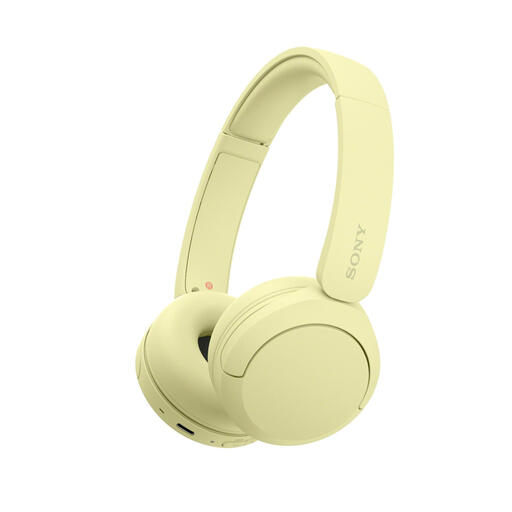
Why it suits this profile: This lightweight on-ear model is designed for everyday listening, podcasts and calls without complicated setup. The product description states up to 50 hours of battery life; the specifications table states 40 hours. So check the current product information before buying.
The available specifications make the weight, AAC/SBC codecs, USB-C and multipoint connection easy to verify. The model is not listed as water-resistant.
147 grams, adjustable headband, microphone, multipoint and fast charging via USB-C.

Why it suits this profile: These wireless earbuds combine ANC, a two-way speaker system, an adjustable equaliser and wireless charging. They are particularly suited to users who place great value on features and integration with Galaxy devices.
The ANC and battery figures are shown separately: up to 6 hours with ANC and 7 hours without ANC, with a total of up to 26 or 30 hours including the case.
Bluetooth 6.1, IP57 rating, six microphones, USB-C and Qi wireless charging.
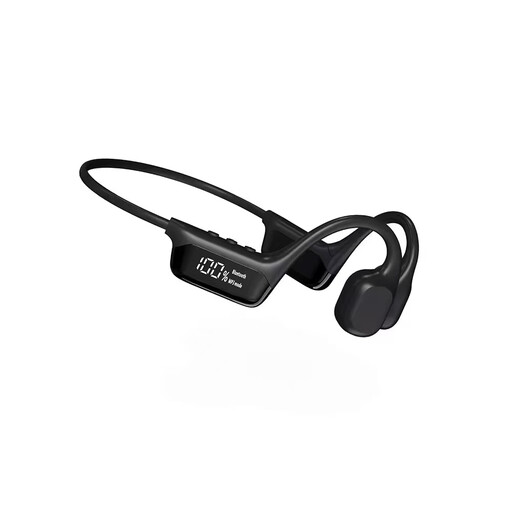
Why it suits this profile: The open-ear bone-conduction design with ear hook is intended for running, cycling and office use and, according to the product information, swimming too. For water use, always check the exact mode and restrictions.
The ear hook is designed to provide stability while moving. The manufacturer warns that the charging port must be completely dry before charging.
Bluetooth 5.3, open-ear design, multipoint, NFC and a stated weight of 80 grams.
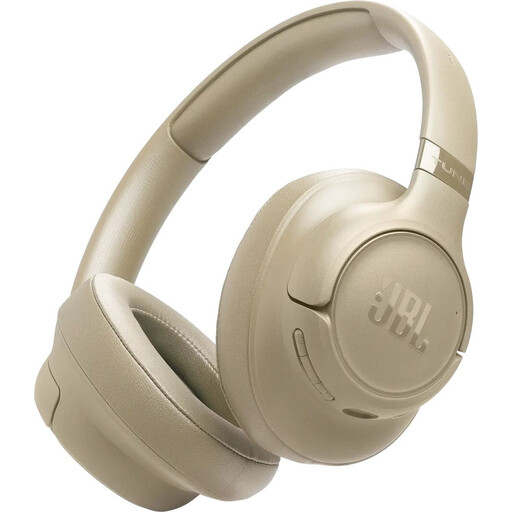
Why it suits this profile: The over-ear design, multipoint connection and microphones are well suited to travel, video calls and switching between a laptop and phone.
The manufacturer lists up to 76 hours of music playback and up to 45 hours of talk time separately. This allows you to assess music and call duration independently.
40 mm drivers, Bluetooth 6.0, two microphones, foldable design and fast charging.
We have put together a complete, up-to-date list of products that fully meet these strict selection criteria and the applicable European safety regulations.
Use this quick checklist:
Switch on Bluetooth on your phone, turn on the headphones and activate pairing mode. Select the product name from the Bluetooth list. Features such as Google Fast Pair, Microsoft Swift Pair or a brand app can speed up the initial connection. If pairing does not work, remove an old connection and try again.
Battery capacity gradually decreases through charging cycles. Overall usage time depends on the model, volume, ANC and call usage. A well-maintained product may remain usable for longer if you avoid heat, moisture and fully discharging the battery as much as possible. Also check the warranty terms and repair options.
Bluetooth generally uses less energy than a wired or other wireless connection would require, but consumption varies by device and codec. ANC, high volume and phone calls often have a greater impact on battery life than Bluetooth alone. Turn off features you do not need when you want to listen for longer without charging.
