
Vandaag of morgen in huis

Kwaliteit gegarandeerd

Welkomstaanbiedingen ontgrendelen: GRATIS bezorging | Tot 80% korting | Gratis 30 dagen JoyPlus-proefperiode
Download de app
Wireless headphones seem easy to choose until you start comparing specifications. A low price can be tempting, but an uncomfortable fit, short battery life or poor microphone can quickly make everyday use frustrating. Terms such as “noise cancellation”, “Hi-Res” and “waterproof” only mean something if you know what technical details lie behind them.
This buying guide explains what to look for in Bluetooth headphones, wireless earbuds or an over-ear model. Then we share three recommendations for different uses.
Manufacturers usually state battery life under specific conditions, such as at a certain volume and with noise cancelling switched off. So, a model claiming “up to 80 hours” may last less time with active noise cancellation turned on. Be sure to check:
Long battery life is especially useful if you travel often, work from home or don’t want to take a charger with you for several days.
Noise-cancelling headphones use microphones and electronics to reduce some background noise. How well they work depends on the type of noise and the fit. Low, constant sounds such as train or aircraft engines are generally a different challenge from voices or sudden noises.
It’s also worth knowing the difference between:
Claims such as “up to -44 dB” or “up to -50 dB” are product specifications measured under certain conditions. According to the brand’s own research, these figures may come from tests in a controlled environment. They don’t predict exactly how much noise you’ll hear on every Dutch train, street or in every office.
Over-ear headphones surround your ears and often provide more passive isolation. However, they can be larger and warmer to wear. On-ear headphones rest on your ears and are usually lighter and more compact, but may cause pressure after a while.
Wireless earbuds and true wireless earbuds are small and easy to carry around. However, fit is a personal matter. For sport, earbuds with ear hooks or a secure-fitting design may be more practical than smooth in-ear models. Also check the water-resistance rating. IPX4 is designed to protect against splashes, sweat and light rain; it doesn’t mean you can submerge the product.
Bluetooth 5.3, 5.4 or 6.0 refers to the wireless technology and may offer benefits for connectivity and power consumption. However, the Bluetooth version alone doesn’t determine overall sound quality. The codec, phone, computer and software also play a part.
If you often switch between a laptop and smartphone, multipoint or dual-device connectivity can be useful. Check that the product actually supports two devices at the same time. This saves you from having to pair it again during an online meeting.
A larger driver doesn’t automatically mean better sound. Look at the combination of driver size, frequency range, supported codecs and any app settings. Hi-Res Audio headphones may support a wider range or a certified audio standard, but the source file and connection you use are still important.
On some models, Hi-Res Audio is only available via a cable or a specific wireless codec, such as LDAC. So check whether your smartphone and streaming service support this feature.
For working from home, online meetings and phone calls, headphones with a microphone aren’t automatically up to the job. The number and position of the microphones, along with software noise reduction, all affect how clearly you’ll be heard. “AI noise cancellation” is a brand claim; according to the brand’s own research, this feature can reduce background noise, but results in practice depend on wind, traffic and how far you are from the microphone.
Comfort is important, too. A lightweight headband, adjustable fit and soft ear cushions are all worth considering if you listen for several hours a day.
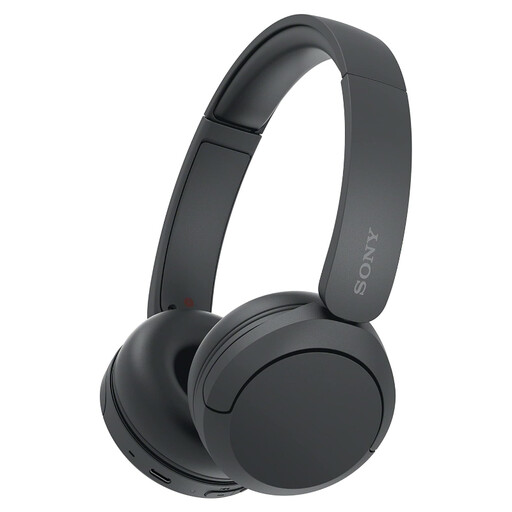
Why it suits this profile: These compact on-ear headphones are designed for everyday listening, commuting and calls, with no complicated settings to worry about. The manufacturer states that battery life is up to 50 hours and that multipoint lets you connect to a phone and laptop.
The specifications clearly state that it has an on-ear design, USB-C, a microphone and multipoint. Bear in mind, though, that this model isn’t water-resistant and doesn’t list active noise cancellation.
147 grams, Bluetooth, AAC/SBC codecs, USB-C and a microphone. The Sony app lets you adjust the sound.
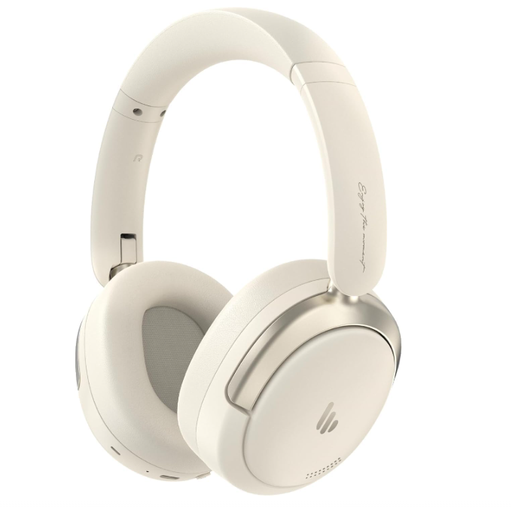
Why it suits this profile: According to the product description, this over-ear model combines hybrid ANC, a 40mm driver, Bluetooth 5.4 and dual-device connectivity. That makes it suitable for listening to music, travelling and working from home.
The stated 45-hour playback time and quick-charge feature make the battery claim more specific. The stated -44 dB ANC should be treated as a maximum figure, not a guarantee of complete silence.
Hi-Res Audio via USB-C, built-in microphone, app personalisation and Bluetooth 5.4.
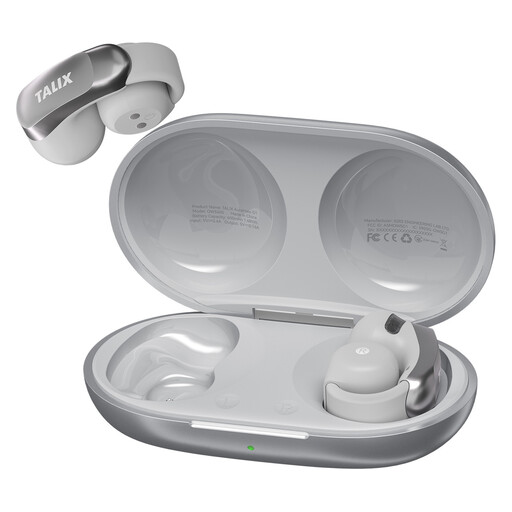
Why it suits this profile: The clip-on design with silicone ear hooks is made for people who are active, exercise or want to make calls for a long time without wearing a headband.
The IPX4 rating makes it clear that the earbuds can handle sweat and light rain, but not submersion or heavy rain. Battery life is broken down into 7 hours per charge and 28 hours with the case.
5.2 grams per earbud, Bluetooth 5.3, four microphones and up to 2 hours of extra playback after 10 minutes of charging.
We’ve put together a comprehensive, up-to-date list of products that meet these strict selection criteria and current European safety regulations.
Put the headphones into pairing mode and open the Bluetooth settings on your smartphone. Select the product name from the list. For some models, Google Fast Pair, Microsoft Swift Pair or a brand app can help with the initial set-up. If the device doesn’t appear, check whether it’s already connected to another device.
Battery capacity decreases over time. Playback time per charge depends on volume, ANC, codec and features. Charge the headphones with a suitable USB-C cable, avoid exposing them to heat and store them somewhere dry. Don’t use a damaged battery, and stop using it immediately if it swells, smokes or becomes unusually hot.
That depends on the fit and IP rating. Sports earbuds with ear hooks often stay more secure when you’re moving. IPX4 is suitable for sweat and light rain, but not for swimming or submersion. Keep the volume low enough to hear traffic and other background sounds when needed.
