
Vandaag of morgen in huis

Kwaliteit gegarandeerd

Welkomstaanbiedingen ontgrendelen: GRATIS bezorging | Tot 80% korting | Gratis 30 dagen JoyPlus-proefperiode
Download de app
A pair of wireless headphones may seem easy to choose at first glance. However, models vary considerably in comfort, battery life, noise isolation and call quality. A low price can be appealing, but an uncomfortable fit, limited water resistance or unclear Bluetooth support could cause frustration later on.
This buying guide will help you assess marketing claims more effectively and choose a model suited to listening to music, making calls, working, travelling, gaming or exercising.
Manufacturers often quote a maximum battery life, but this does not always apply under the same conditions. Active noise cancellation, high volume, phone calls and the use of multiple connections can reduce playback time.
So check the following:
A model with long battery life is particularly useful for travelling and long working days, but always compare the test conditions.
A pair of noise-cancelling headphones uses microphones and electronic processing to reduce ambient sound. This generally works best with constant noises, such as train engines or aeroplane noise. Voices, sudden sounds and traffic may still be audible.
Claims such as “up to -45 dB” or “up to -50 dB” are product specifications or brand claims, not a guarantee of the same experience in every environment. According to Baseus product information, the EH10 NC can reduce background noise by up to -45 dB. According to MINISO product information, the MS106 offers adaptive noise cancellation of up to -50 dB. Treat these figures as an indication and also consider the fit of the ear cushions or earbuds.
An IP rating is not a general guarantee that a product is suitable for swimming. IPX5, for example, means that a device is protected against water jets according to the relevant protection class. This is different from prolonged immersion.
So check:
Over-ear headphones completely surround the ear. This can be comfortable when travelling, working or using them at home, but the model is usually larger and warmer around the ears. According to the product information, the Soundcore Space One weighs 259 grams and has a foldable design.
An on-ear model rests on the ear. With a stated weight of 147 grams, the Sony WH-CH520 is relatively compact. Be aware that the product specifications in the information provided mention both a battery life of 40 and “up to 50 hours”. Check the current product page before ordering.
In-ear earbuds are small and easy to carry. Fit is more important here than driver size alone. Additional silicone ear tips can help the earbuds fit more securely, but not every shape suits every ear.
A newer Bluetooth version does not automatically mean better sound. Above all, check whether the device is compatible with your phone, laptop or tablet. For everyday use, a stable connection, low latency and easy pairing are often more important than the version number alone.
A multipoint connection can be useful if you work with a laptop and smartphone at the same time. For example, you can listen to music on your laptop and answer a call on your phone. Check that multipoint is actually supported; Bluetooth itself does not mean that this feature is available.
If you regularly attend meetings or make calls, a headset with a microphone can be beneficial. However, the number of microphones alone does not determine how clearly conversations sound. Their positioning, software and the conditions all affect the experience.
Also look out for:
For exercise, sports earbuds with a suitable IP rating and a secure fit are more practical than heavy over-ear headphones. For swimming, you need a model with explicit swimming support. The manufacturer positions the Mojawa RunPlus as an open-ear model with IP68 and built-in storage; check the current product information and user manual for the precise swimming conditions.
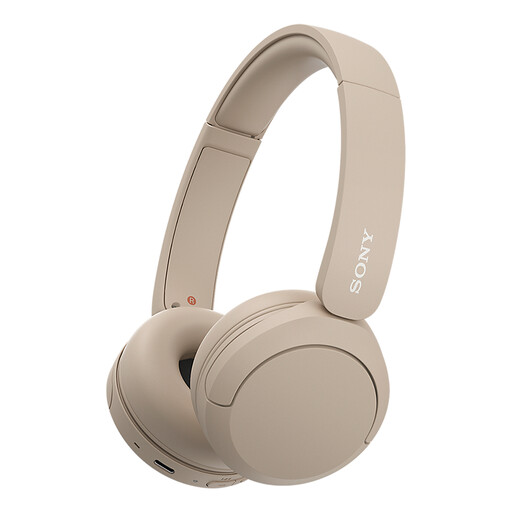
Why it suits this profile: This lightweight on-ear model is designed for everyday listening and calls. The adjustable headband, buttons and multipoint function are practical for smartphone and laptop use.
The product specifications clearly state the weight, Bluetooth connection and multipoint support. However, bear in mind the different battery life figures quoted and check them before buying.
147 grams according to the product information, built-in microphone, USB-C and connection to two devices.
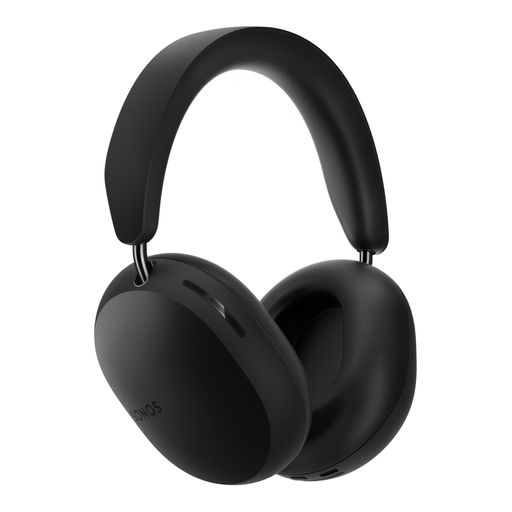
Why it suits this profile: An over-ear model for anyone who values comfort, active noise cancellation, spatial audio and wired connection options.
The product information lists Bluetooth as well as USB-C and 3.5 mm connections. This means you are not entirely dependent on the battery or wireless connection.
40 mm drivers, active noise cancellation, multipoint and up to 30 hours of battery life according to the product information.
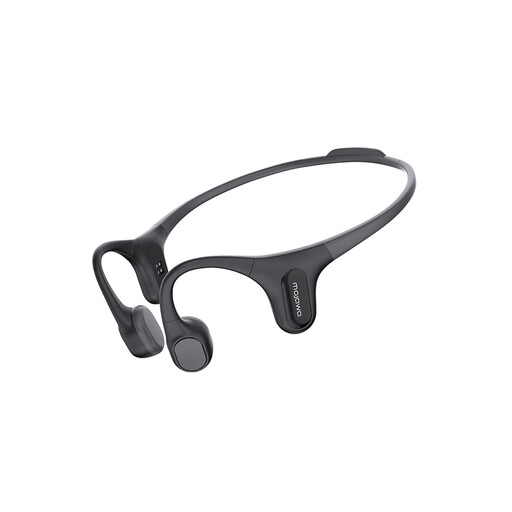
Why it suits this profile: The open-ear design is intended for running, fitness and situations where you do not want to be completely cut off from your surroundings.
The product name and description focus on open-ear use and water resistance. Before using it in water intensively, always check the manual and the precise IP68 conditions.
Open-ear wearing style, Bluetooth, 32 GB MP3 storage and an IP68 rating stated in the product information.
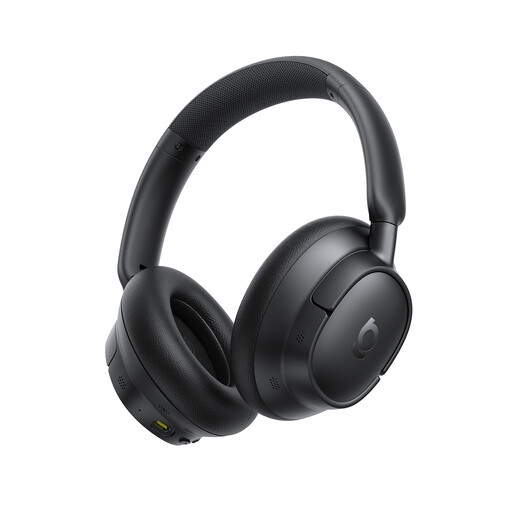
Why it suits this profile: According to the product information, this over-ear model is designed for travelling, work and everyday use, with a long stated playback time and microphones for calls.
Battery life is specified for use with and without ANC: according to Baseus, up to 80 hours without ANC and 55 hours with ANC. This makes the conditions clearer than quoting one standalone maximum figure.
40 mm drivers, LDAC support according to the product information, ANC and fast charging via USB-C.
We have put together a complete, up-to-date list of products that fully meet these strict selection criteria and the applicable European safety regulations.
First charge the headphones, switch on Bluetooth on your smartphone and put the headphones into pairing mode. Then select the product name from the Bluetooth list. Some models support Google Fast Pair or Microsoft Swift Pair. Consult the manual if the model does not appear or is already connected to another device.
Their lifespan depends on the battery, hinges, ear cushions and how they are used. A battery loses capacity over time. Store the device in a dry place, avoid extreme temperatures and charge it according to the instructions. Do not use a damaged cable or casing.
A wireless model uses electricity to charge and may need a replacement battery over time. In return, you get greater convenience. Wired headphones do not need charging, but they do require a suitable connection. So do not look only at the purchase price; also consider battery life, charging convenience and the devices you want to use the product with.
