
Vandaag of morgen in huis

Kwaliteit gegarandeerd

Welkomstaanbiedingen ontgrendelen: GRATIS bezorging | Tot 80% korting | Gratis 30 dagen JoyPlus-proefperiode
Download de app
A pair of wireless headphones may seem easy to choose at first glance: Bluetooth, an attractive price and long battery life. In practice, models vary considerably in comfort, connectivity, microphone quality and sound isolation. An inexpensive pair of Bluetooth headphones may be perfectly suitable for short journeys, but less so for long working days or daily commuting.
The Joybuy Product Recommendation Officer therefore filters the most important product specifications and compares them with practical use cases. This helps you avoid paying mainly for marketing terms that say little about your everyday listening experience.
Manufacturers often state the maximum playback time, but not always the settings used for testing. Noise cancelling, high volume, phone calls and an intensive Bluetooth connection can reduce battery life. So check whether the quoted battery life applies with ANC switched on or off.
Also look out for conflicting information. Some product listings, for example, mention both 40 and 50 hours. If in doubt, refer to the detailed technical specifications and check what is stated on the packaging and in the manual.
A pair of noise-cancelling headphones or ANC headphones uses microphones and electronics to reduce ambient noise. The result varies depending on the situation. Low, constant sounds such as train or aircraft engines are generally a different scenario from voices, sudden noises or wind.
Passive isolation also plays a part. A well-fitting pair of over-ear headphones can block out some ambient noise even without active noise cancellation. In addition, do not use ANC while cycling, driving or in other situations where you need to be able to hear traffic.
Over-ear headphones generally surround the entire ear and are suitable for long listening sessions, but they can feel heavier and warmer. An on-ear model is often lighter and more compact. Wireless earbuds are easy to carry around, but the fit and battery life per listening session require extra attention.
So check the weight, headband adjustability and ear cushion material. For everyday use, a comfortable model is often more practical than a heavier model with more features.
Most models work with Bluetooth and can be used with smartphones, tablets and laptops. A newer Bluetooth version number does not automatically mean better sound. Above all, check that your device is compatible and which audio codecs are supported.
A pair of multipoint headphones can be connected to two devices at the same time. This is useful when you want to switch between a laptop and phone while working. The Sony WH-CH520, Sonos Ace and various other models in the range list multipoint support.
For gaming, Bluetooth is not always sufficient. A gaming headset with a 2.4GHz USB receiver can provide a lower-latency connection. Also check that the headset works with your PC, PlayStation or other console.
Do not just compare the highest number of hours. Also consider:
A pair of headphones with long battery life is particularly useful for travelling, office work and several days of use without a charger. The stated hours are maximum values from the product information; volume, codec and features affect the actual battery life.
A larger driver size is no guarantee of a better listening experience. Look at the combination of driver, frequency range, codec and tuning. A pair of Hi-Res Audio headphones with LDAC or another high-quality codec can process more data, but this only works when the source and settings support it.
For calls and meetings, microphones are at least as important as the speakers. Look at the number of microphones, noise filtering and whether there is a detachable microphone. According to information provided by the brands, certain systems can reduce background noise; actual speech clarity also depends on wind, room acoustics and the device being used.
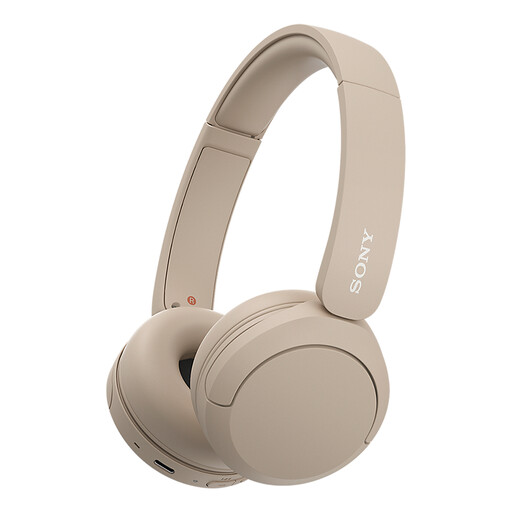
Why it suits this profile: The lightweight 147-gram on-ear design, USB-C and multipoint make this model suitable for everyday use with a phone and laptop.
The listing mentions both up to 50 hours and 40 hours in the technical data. So check the current product specification before relying solely on the battery claim.
147 grams, multipoint, Bluetooth and a stated battery life of up to 40 hours in the technical table.
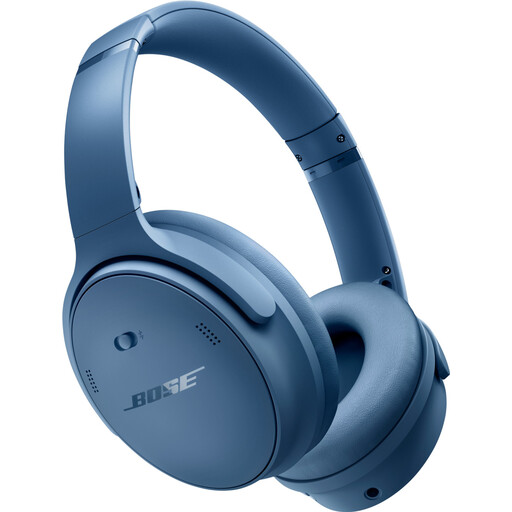
Why it suits this profile: This over-ear model is designed for longer listening sessions and features active noise cancellation, a Bluetooth range of 9 metres and 24 hours of battery life.
The product information lists noise cancellation, weight and battery life separately. This allows you to assess the relevant features alongside one another rather than relying on a general sound claim.
Active noise cancellation, 24 hours of battery life, 240 grams and a 3.5mm connection alongside Bluetooth.
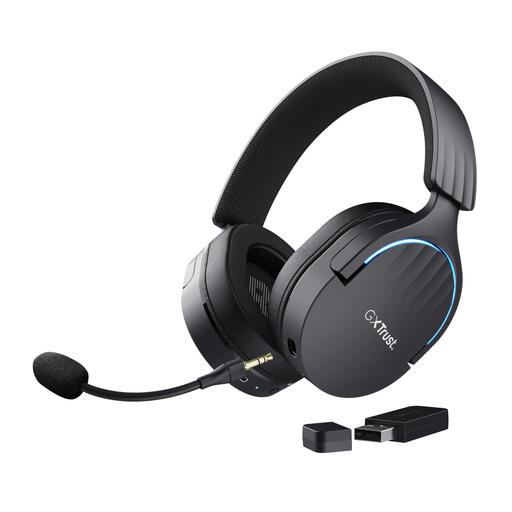
Why it suits this profile: This gaming headset combines Bluetooth with a 2.4GHz USB receiver and a detachable microphone for PC and console use.
The connection is not limited to Bluetooth. For gaming, you can use the USB receiver; however, check compatibility with your device beforehand.
Up to 22 hours of playback, 50mm drivers, USB-C, 3.5mm cable and a detachable microphone.
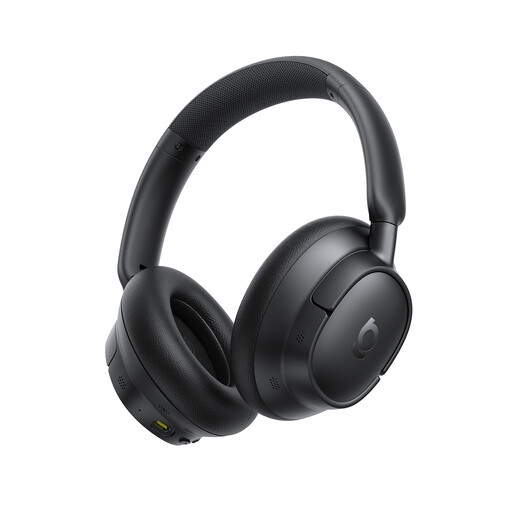
Why it suits this profile: According to the product description, this is an over-ear model with ANC, LDAC, Hi-Res Audio and long playback time for travel and work.
The listing distinguishes between a maximum of 80 hours without ANC and 55 hours with ANC. This is more useful than a single battery figure without any settings.
LDAC, a Hi-Res specification, five microphones according to the product description and USB-C fast charging.
We have compiled a complete, up-to-date list of products that fully meet these strict selection criteria and the applicable European safety regulations.
Most Bluetooth models work with both devices, but check the supported Bluetooth profiles and codecs. If you want to stay connected to two devices at the same time, choose a model with multipoint. A USB receiver may be required for gaming.
Their lifespan depends on charging habits, hinges, ear cushions and everyday use. Store your headphones in a dry place, avoid extreme heat and charge them using suitable cables. Replaceable ear cushions or a model that also works with a cable can be practical when the battery loses capacity over time.
Power consumption is limited while listening. Most of the energy is used when charging the built-in battery. ANC, high volume and phone calls can drain the battery more quickly. With wireless earbuds, you also need to charge the case regularly.
