
Vandaag of morgen in huis

Kwaliteit gegarandeerd

Welkomstaanbiedingen ontgrendelen: GRATIS bezorging | Tot 80% korting | Gratis 30 dagen JoyPlus-proefperiode
Download de app
Wireless headphones are useful for working from home, travelling, studying, making calls and listening to music. But a long list of features doesn’t automatically mean a model will suit your everyday needs. For example, Bluetooth headphones may have great battery life but feel uncomfortable to wear. Wireless earbuds may be small and lightweight, but less suitable for long listening sessions or calls in a busy environment.
So focus on the features you’ll actually use. Below, you’ll find the main pitfalls to avoid, the key technical specifications to compare and some popular options, based on verifiable product information.
The stated battery life usually depends on volume, codec, noise cancellation and the number of charging cycles. For example, a manufacturer may quote a maximum playback time with ANC switched off and the volume set relatively low.
So check:
Long battery life is particularly useful if you travel often or don’t want to charge your headphones every day. For occasional use, comfort is often more important than the biggest battery-life figure.
ANC, or active noise cancellation, uses microphones and electronics to reduce background noise. The results vary depending on fit, surroundings and frequency. Low, constant sounds such as train or aircraft engines affect headphones differently from voices or sudden noises.
Decibel-reduction claims come from the brand’s product information and aren’t a universal guarantee for every user. For example, according to its own product information, Baseus quotes adaptive hybrid ANC of up to -50 dB for the Bass EP10 Pro. That doesn’t mean every background sound will be filtered out by exactly that amount.
A transparency mode can also help you hear what’s going on around you without taking your earbuds out. Don’t use ANC as a reason to pay less attention in traffic, on your bike or around machinery.
An IPX4 or IP55 rating doesn’t mean a product is suitable for immersion. IPX4 is designed to protect against splashes, while IP55 offers protection against dust and water jets under certain conditions. Always check the full IP specification and keep the charging port dry.
Over-ear headphones without a water-resistance rating are less suitable for exercise or rainy weather. For those situations, sports earbuds with an appropriate IP rating are more practical.
Consider the weight, how adjustable the headband is and the shape of the ear cushions. A comfortable fit is at least as important as a large driver size.
Bluetooth 5.3, 5.4 or 6.0 mainly tells you about the connection technology used; on its own, it doesn’t mean better sound quality. Also check which codecs are supported, such as SBC, AAC or LDAC. Your phone and headphones need to support the same codec for you to use it.
Bluetooth multipoint is handy if you want to connect to, for example, a laptop and smartphone at the same time. Check that this feature is actually listed in the product information. For calls, the number of microphones and the call noise-cancellation technology are also relevant. Headphones with a microphone aren’t automatically suitable for meetings in a noisy room.
A range of around 10 metres is often quoted under ideal conditions. Walls, other wireless devices and the smartphone you’re using can all affect the actual range.
For earbuds, compare the playback time per charge with the total playback time, including the charging case. Baseus quotes, among other figures, 11 hours of listening at 50 per cent volume and 55 hours of total battery life for the Bass EP10 Pro. According to the product information, this model supports Bluetooth 5.4, SBC, AAC and LDAC.
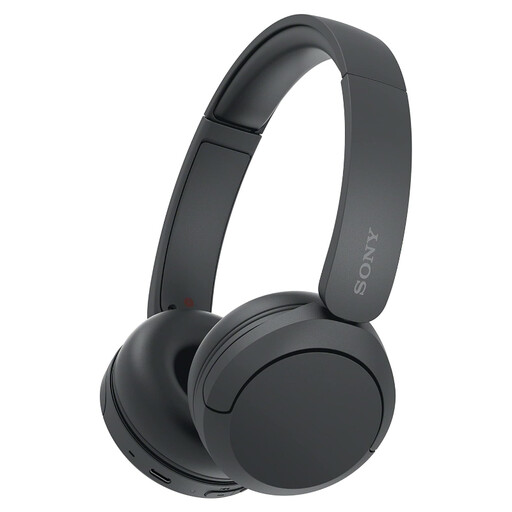
Why it suits this type of user: Compact on-ear headphones for music, podcasts and calls, without extra features you may never use.
The product information lists buttons, a microphone and a multipoint connection. The headphones aren’t water-resistant, making it clear they’re intended mainly for everyday use in dry conditions.
147 grams, USB-C, AAC and SBC, plus battery life of up to 50 hours in the product description, according to Sony.
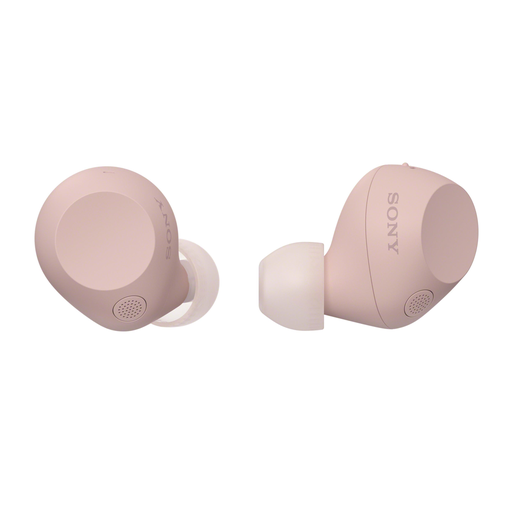
Why it suits this type of user: For anyone looking for compact wireless earbuds with noise cancellation, app settings and the ability to connect to two devices.
The product information specifically lists IPX4 protection against splashes and light rain, not immersion. Battery life is also stated separately for ANC on and off.
Bluetooth 5.3, multipoint, fast charging and, according to Sony’s product information, up to 30 hours with ANC or 40 hours without it.
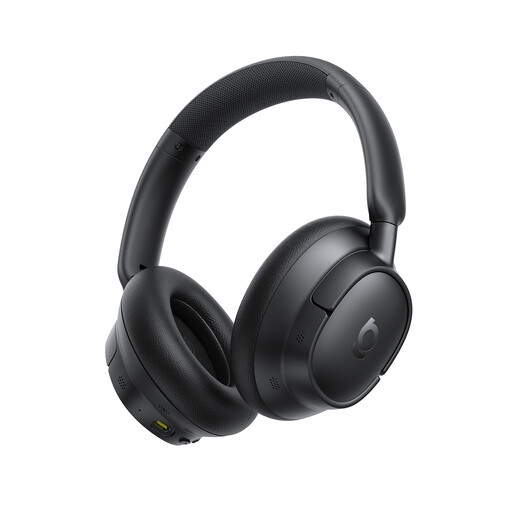
Why it suits this type of user: Over-ear headphones for travelling, working and long listening sessions, with ANC, codec support and call technology in mind.
The product information distinguishes between 80 hours without ANC and 55 hours with ANC. Supported LDAC and Hi-Res features are also listed separately.
Up to -45 dB hybrid ANC, Bluetooth 6.0, multipoint, LDAC and five microphones for calls, according to Baseus.
We’ve put together a complete, up-to-date list of products that meet these strict selection criteria and comply with current European safety regulations.
Switch on the headphones and activate pairing mode. Then open the Bluetooth settings on your smartphone and select the product name. Some models start pairing automatically the first time you take the earbuds out of their charging case. If the connection doesn’t work, remove any old pairing and try again.
How long they last depends on battery capacity, charging habits, volume and temperature. Rechargeable lithium batteries gradually wear out. Keep your product dry, avoid extreme heat and use a suitable USB-C charger. The overall lifespan is also affected by how durable the hinges, ear cushions, charging contacts and earbud casing are.
They can be, but check whether the model has a microphone and call noise-cancellation technology. ANC for music isn’t the same as microphone noise reduction during a call. Also read the user guide and test how clearly you can be heard in the surroundings where you’ll usually use the headphones.
