
Vandaag of morgen in huis

Kwaliteit gegarandeerd

Welkomstaanbiedingen ontgrendelen: GRATIS bezorging | Tot 80% korting | Gratis 30 dagen JoyPlus-proefperiode
Download de app
Wireless headphones are handy for listening to music, making calls, travelling and working from home. But a bold advert doesn’t tell you much about how they’ll perform day to day. For example, a long battery life may only apply with noise cancelling switched off, while a water-resistance rating may apply only to the earbuds, not the charging case.
Use this practical guide to focus on the specifications that really matter when choosing headphones in the UK. Then find out which models suit different needs.
“Up to 40 hours” or “more than 100 hours” sounds impressive, but always check what the figure is based on. For wireless earbuds, it often refers to total playback time including the charging case. With noise-cancelling headphones, battery life may be shorter when active noise cancelling is switched on.
Check these three figures:
An IPX4 or IP54 rating doesn’t mean a product can be submerged in water. According to the product information, the Redmi Buds 6 Play are IPX4-rated only for the earbuds; the charging case isn’t water-resistant. Other models may also have protection that applies to the earbuds only.
Splash resistance may be enough for walking or light exercise. For intense workouts, rain and heavy sweating, a higher rating is more practical. Always check whether the certification applies to the whole product or just one part.
Noise-cancelling headphones use microphones and electronic processing to reduce background noise. The results vary depending on the frequency and fit. Low, constant sounds such as train or plane noise are generally different from voices or sudden traffic noise.
Transparency mode can be useful when you’re working in an office or need to stay aware of your surroundings while out and about. Don’t rely on this feature alone when cycling, driving or crossing the road.
Modern Bluetooth headphones usually use Bluetooth 5.x. A higher version number doesn’t guarantee better sound quality in itself; compatibility between your phone, laptop and headphones still matters.
Multipoint lets you connect to two devices, such as a laptop and smartphone. Check whether you need to enable the feature in an app. For example, the Sonos Ace product information states that you need to register in the Sonos app to activate Bluetooth Multipoint.
Audio codecs such as SBC, AAC and LDAC determine how audio is transmitted wirelessly. Your device and streaming service need to support the codec. So a product with LDAC won’t automatically give you an audible improvement with every phone or audio source.
A lighter pair of headphones isn’t automatically more comfortable. Consider the shape of the headband, pressure on your ears and whether the model folds up. For commuting, low weight and a short quick-charge time are often more important than lots of extra features.
It’s still important to keep the volume at a moderate level when listening for long periods. Product warnings from the brands mentioned indicate that prolonged exposure to high sound levels can cause hearing damage.
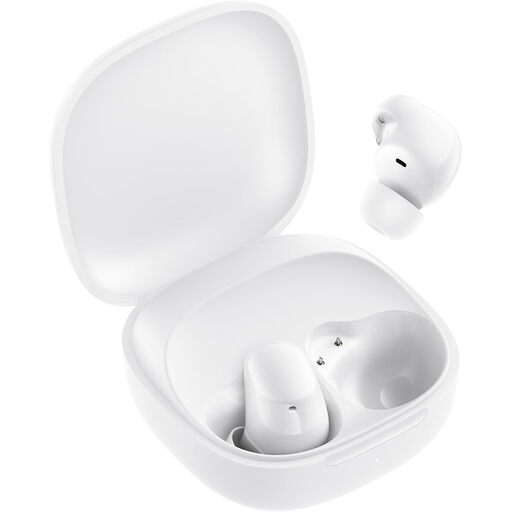
Why it suits this profile: These compact Bluetooth earbuds are ideal for everyday listening and easy to carry around. The stated total playback time is 36 hours with the charging case.
The specifications distinguish between 7.5 hours per charge and 36 hours with the case. According to the product information, the IPX4 rating applies only to the earbuds.
3.6 grams per earbud, USB-C, a 10mm dynamic driver and simple wireless controls.

Why it suits this profile: Over-ear headphones with active noise cancelling, spatial audio, and Bluetooth and USB-C connections.
The product information gives a separate battery-life figure of up to 30 hours with noise cancelling switched on, making the usage conditions clearer.
40mm drivers, Bluetooth 5.4, multipoint and a quick-charge feature that, according to the product information, can provide up to 3 hours of use from a 3-minute charge.

Why it suits this profile: These wireless earbuds combine active noise cancelling, IP57 protection for the earbuds and features designed to work with Galaxy devices.
Battery life is listed separately as 6 hours with ANC and 7 hours without ANC. According to the specifications, the IP57 rating is for the earbuds and doesn’t automatically apply to the case.
A two-way speaker system, six microphones, USB-C, wireless charging and a 9-band equaliser, according to the product information.
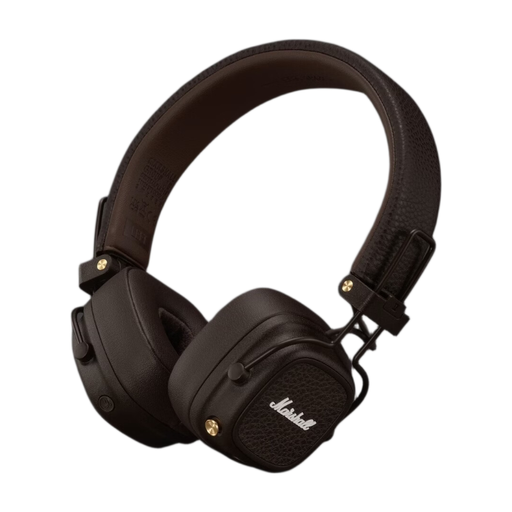
Why it suits this profile: This foldable on-ear model is designed for travel and everyday use, with less frequent charging in mind.
The stated battery life of more than 100 hours is not affected by noise cancelling, as this model isn’t listed as having active noise cancelling. The headphones aren’t water-resistant.
186 grams, Bluetooth 5.3, multipoint, USB-C, a 3.5mm socket and, according to the product information, up to 15 hours of extra use after a 15-minute charge.
We’ve put together a complete, up-to-date list of products that meet these strict selection criteria and the applicable European safety regulations.
Switch on Bluetooth on your phone, open the settings and put your headphones or earbuds into pairing mode. Select the product name from the list. Many models do this automatically when you open the charging case. You may need an app for equaliser settings, firmware updates or multipoint.
Battery life per charge varies considerably between models and settings. As well as the stated battery life, check the charging cycles, quick-charge time and whether you can listen using a wired connection. According to the product information, the Marshall Major V can also be used with a 3.5mm cable when the battery is flat.
Charging usually uses very little electricity. Your main ongoing costs may be replacement earbuds, accessories or a new pair of headphones if the built-in battery loses capacity. A USB-C connection and a clear battery indicator make daily charging easier.
