
Vandaag of morgen in huis

Kwaliteit gegarandeerd

Welkomstaanbiedingen ontgrendelen: GRATIS bezorging | Tot 80% korting | Gratis 30 dagen JoyPlus-proefperiode
Download de app
Wireless headphones seem simple to choose: switch on Bluetooth, pick a model and start listening. In practice, comfort, battery life, microphone quality and moisture protection can vary considerably from one product to another. The right choice therefore depends mainly on how you plan to use your headphones.
For a train journey, noise-cancelling headphones may be more useful than a lightweight model for short phone calls. If you mainly want headphones for sport, you might prefer wireless earphones with an IP rating. And for working from home, a good microphone and multipoint connectivity may matter more than a large driver.
Manufacturers and sellers often list the maximum playback time. This figure doesn’t always apply under the same conditions. Noise cancelling, volume, phone calls and Bluetooth codecs can all affect battery life.
Also check the difference between the battery life of the earphones and that of the charging case. A pair of Bluetooth earphones, for example, might play music for a few hours on a single charge, while the case provides several extra charges. Over-ear models usually list one total playback time.
Active noise cancellation, or ANC, uses microphones and electronics to reduce background noise. How well it works can vary depending on your surroundings. Low, constant sounds, such as train engines, are typically treated differently from voices or sudden noises.
Noise-cancelling headphones also don’t replace staying alert to traffic. Switch the feature off or use transparency mode when cycling outdoors or taking part in traffic.
An IPX5 or IP55 rating doesn’t mean a product is suitable for submersion or swimming. Always check what the first and second digits mean, and whether the charging port needs to be dry before you charge the device.
Over-ear headphones without a stated IP rating are generally less suitable for rain or intense exercise. This applies, for example, to models whose product information explicitly states that they aren’t water-resistant.
Don’t just look at the design. A 300-gram model may feel comfortable to one person, while a lighter model with hard ear cushions may feel less comfortable.
Check that your phone, tablet or laptop is compatible. Bluetooth 5.0, 5.2, 5.3 or 5.4 doesn’t, by itself, tell you how good the sound will be. Codec support, antenna design and software also play a part.
Multipoint is useful if you want to connect to, for example, a laptop and smartphone at the same time. Check that this feature is listed in the product information. Without multipoint, you may sometimes need to reconnect manually.
A headset with a microphone isn’t automatically suitable for busy offices. Check the number and placement of the microphones, and whether noise reduction for calls is mentioned. With a wired headset and microphone, the distance from your mouth is often more predictable, but you won’t have the freedom of a wireless connection.
Controls matter too: physical buttons are often practical in winter, while touch controls are compact but can be activated accidentally.
Compare the stated battery life with your routine. Long battery life can be useful for daily travel. Fast charging is especially handy if you often forget to charge your headphones. Also check the charging connector, the cable included and whether you can listen using a wired connection if needed.
Avoid using wireless headphones at high volume for long periods. Taking regular breaks and keeping the volume moderate can help prevent unnecessary strain on your hearing.
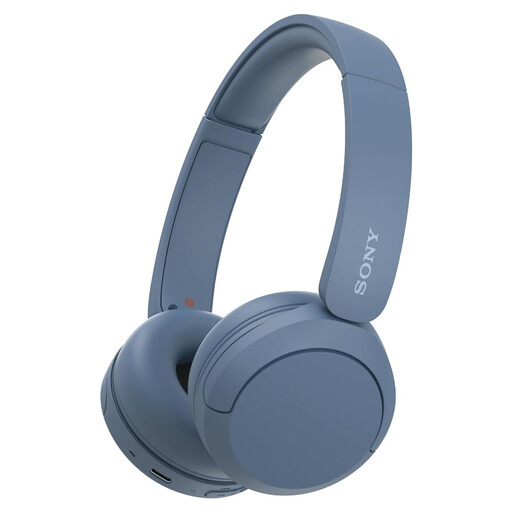
Why it suits this profile: Lightweight on-ear headphones for everyday listening, calls and use with a phone or laptop. The adjustable headband and multipoint connection are handy for a simple work routine.
The product information clearly states that this model isn’t water-resistant. That makes it less suitable for rain or exercise, but easy to assess for everyday use in dry conditions.
147 grams, Bluetooth, microphone, multipoint and USB Type-C. The product page lists up to 50 hours of use; the specification table also states 40 hours, so check this before buying.
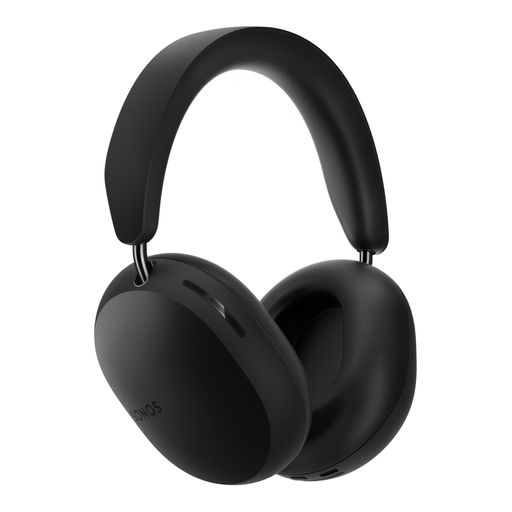
Why it suits this profile: Designed for users who value over-ear comfort, active noise cancellation and features for music and films.
The product details list ANC, Aware Mode, multipoint and microphone features separately. This makes it easier to check which features suit your needs.
Bluetooth 5.4, active noise cancellation, USB-C, 30-hour battery life and support for two devices. They weigh 312 grams.
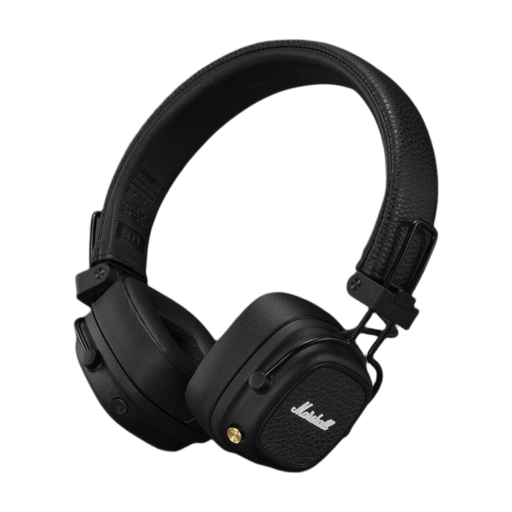
Why it suits this profile: Ideal for frequent listening, with long battery life, a foldable design and both wireless and wired connection options.
The product information states that this model isn’t water-resistant. So it’s not a sensible choice for exercising in the rain, despite its long playback time.
The stated playback time is 100+ hours, with fast charging, Bluetooth 5.3, multipoint, USB-C and a 3.5 mm cable included. They weigh 186 grams.
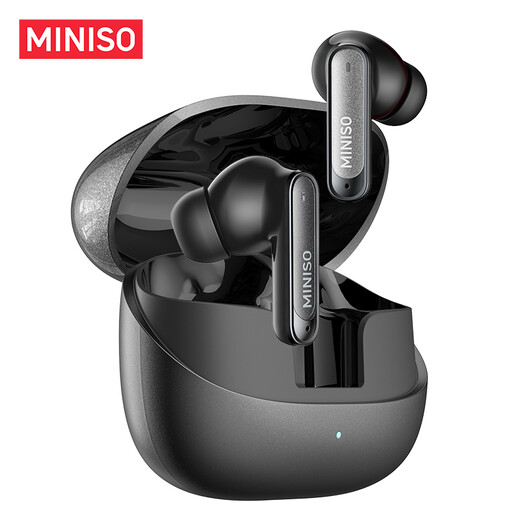
Why it suits this profile: Compact TWS earphones for sport, study, the office and phone calls, when low weight and a charging case are important.
The product page lists IPX5, but this doesn’t protect against submersion. The earphones must be dry before charging and aren’t designed for swimming.
Listed features include 3.9 grams per earphone, six microphones, touch controls, dual-device connectivity and up to 55 hours with the charging case.
We’ve put together a complete, up-to-date list of products that meet these strict selection criteria and comply with current European safety regulations.
Put the headphones into pairing mode, open the Bluetooth settings on your phone and select the product name. If you’ve paired the model before, it may connect automatically. If it doesn’t, remove the old pairing and try again. For specific models, refer to the supplied manual.
Playback time per charge ranges from a few hours for compact earphones to dozens of hours for on-ear and over-ear models. Overall lifespan also depends on charging cycles, heat, moisture and careful use. The stated battery life is a product specification, not a guarantee for every use.
Wireless models use power and need to be charged, but the cost per charge is generally low. A wired headset doesn’t need a battery, but offers less freedom of movement. Focus on comparing the purchase price, expected lifespan, warranty and compatibility with your devices.
