
Vandaag of morgen in huis

Kwaliteit gegarandeerd

Welkomstaanbiedingen ontgrendelen: GRATIS bezorging | Tot 80% korting | Gratis 30 dagen JoyPlus-proefperiode
Download de app
A pair of wireless headphones may seem like a straightforward purchase on paper. In practice, models vary considerably in comfort, battery life, sound isolation and controls. A low price can be appealing, but an uncomfortable fit, unreliable connection or disappointing battery life can quickly make everyday use frustrating.
Pay particular attention to these three common pitfalls:
Over-ear headphones completely surround your ears. This generally provides more passive sound isolation and leaves room for larger ear cups. According to the product information, the Bose QuietComfort Bluetooth Headphones weigh 240 grams and offer up to 24 hours of battery life. This could make them suitable for long journeys or working from home.
On-ear headphones rest on your ears and are often lighter and more compact. The Sony WH-CH520 weighs 147 grams. However, check that the cushions are soft enough and that the headband does not apply too much pressure.
In-ear headphones or a set of true wireless earbuds sit directly in the ear canal. Check how many sizes of ear tips are included. A good seal affects both comfort and the clarity of music and conversations. According to the product description, the Soundcore Liberty 4 Pro comes with additional ear tips.
Noise-cancelling headphones use microphones and electronics to reduce ambient sound. Manufacturers may express this in decibels, but measurement methods and conditions vary. Therefore, do not simply compare “-45 dB” with “-30 dB”.
Also look for a transparency mode or aware mode. This allows some ambient sound to remain audible, which is useful outdoors or in the office. When cycling, driving or in other situations where you need to stay alert, you should not rely solely on such a mode.
According to Baseus’s own product information, the EH10 NC can reduce background noise by up to 45 dB. Treat this as the brand’s product specification, not as a guarantee that you will have the same experience in every environment.
Headphones with long battery life are useful for commuting, travelling and everyday use. Pay attention to the difference between:
The Bluetooth version does not only determine the range you get. Compatibility with your phone, laptop and codec support also play a part. Headphones with Bluetooth 5.2, 5.3 or 5.4 can work perfectly well with older devices, but features such as multipoint, LDAC or spatial audio are not available on every device.
Also check the IP rating. IP54 is not the same as IPX5 or IP57. The first digits refer, among other things, to protection against dust; the second refers to protection against water. A splash-resistant rating does not automatically mean that a product is suitable for swimming.
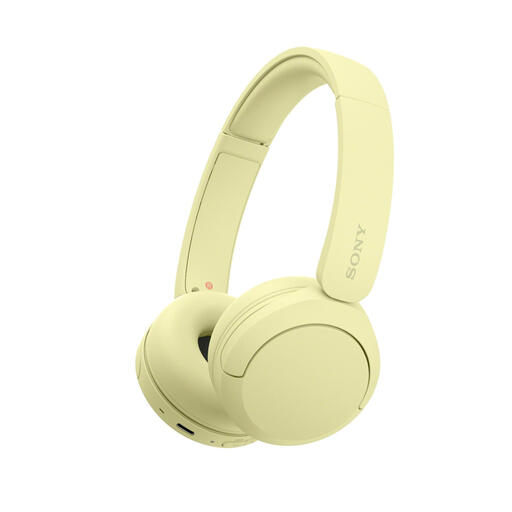
Why this suits the profile: This lightweight on-ear model is suitable for music, podcasts and calls without immediately opting for a heavier model with lots of additional features.
The product information gives a weight of 147 grams and mentions multipoint connectivity. However, make sure that wearing on-ear headphones is comfortable for you; this model does not have active noise cancellation.
Bluetooth 5.2, USB-C, multipoint and, according to the listing, up to 40 hours of battery life.

Why this suits the profile: Over-ear headphones for anyone who values adjustable sound, long listening sessions and adaptive noise cancellation.
The listing mentions a transparency mode and adjustable EQ via the app. This allows you to adjust the sound and ambient mode rather than relying solely on one factory setting.
According to the product information, up to 60 hours of playback, 42mm drivers, Bluetooth and a 3.5mm cable connection.
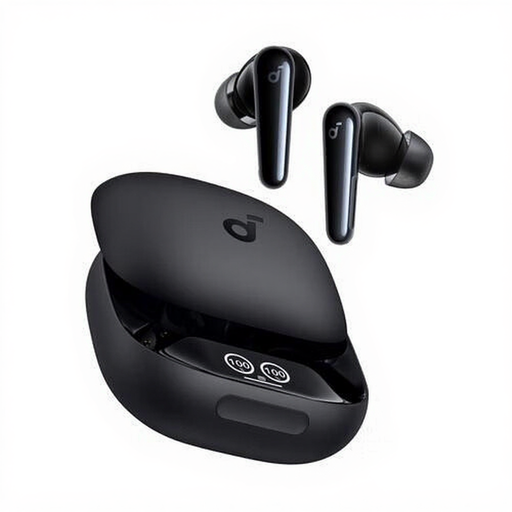
Why this suits the profile: Ideal for users looking for in-ear headphones for calls, music, sport and everyday use.
The listing mentions additional ear tips and IPX5 splash protection. This helps with the fit and light exercise, but does not make the earbuds suitable for submersion.
Bluetooth, USB-C charging case, touch controls, six microphones and up to 10 hours of continuous playback according to the product details.
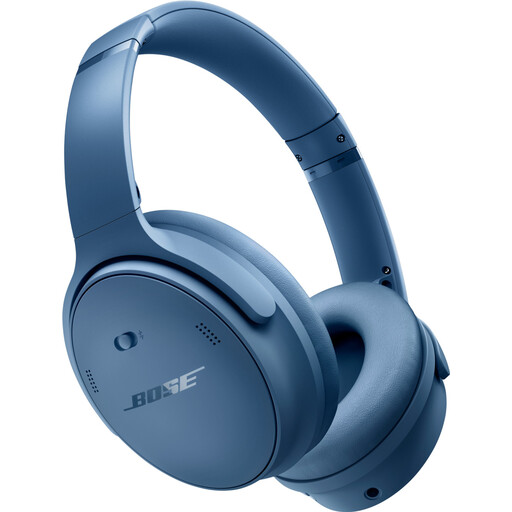
Why this suits the profile: Closed-back over-ear headphones for long listening sessions, train journeys, films and remote conversations.
The product information mentions multiple noise cancellation modes, a foldable design and an included carrying case. Check beforehand whether 240 grams and the over-ear design suit your everyday use.
Bluetooth 5.1, up to 24 hours of battery life, 2.5mm and 3.5mm connections, and button controls according to the listing.
We have put together a complete, up-to-date list of products that fully meet these strict selection criteria and the applicable European safety regulations.
Before checking out, check these points:
Products in the Netherlands are covered by the statutory guarantee. For the models mentioned, the product information generally states a minimum statutory guarantee of two years under EU consumer rules. Keep your purchase details and, if there is a problem, check the seller’s terms and conditions first.
Switch on Bluetooth, press and hold the power or Bluetooth button for a few seconds, then select the headphones from the list of available devices. With wireless earbuds, you usually open the charging case and follow the instructions on screen. If pairing does not work, remove an old connection and try again.
Battery life depends on the battery, volume, ANC and charging habits. The models in this overview quote between approximately 10 and 60 hours of playback, depending on the type and settings used. Battery capacity decreases over time. Regularly running the battery completely flat is generally unnecessary; charge it whenever convenient.
The electricity costs of charging are generally minimal. The main ongoing costs are more likely to come from replacing ear cushions, charging cables or ear tips. With an in-ear model, you may need a new charging case if the original becomes damaged. So do not just consider the purchase price; also check whether accessories are readily available.
