
Vandaag of morgen in huis

Kwaliteit gegarandeerd

Welkomstaanbiedingen ontgrendelen: GRATIS bezorging | Tot 80% korting | Gratis 30 dagen JoyPlus-proefperiode
Download de app
Buying wireless headphones seems simple, until you have to choose between Bluetooth headphones, wireless earbuds, an on-ear model or noise-cancelling headphones. Marketing terms such as “AI”, “Hi-Res” and “long battery life” sound appealing, but they don’t always tell you enough about how a product will perform day to day.
So focus on comfort, actual battery life, connectivity and how you plan to use your headphones. That way, you can avoid ending up with a product that feels too heavy after a few weeks, won’t stay in place or doesn’t suit your work and travel routine.
Manufacturers often state the maximum playback time, but testing conditions vary from one product to another. Noise cancelling, volume, codec and phone calls all affect battery life.
So check:
For example, the Sony WH-CH520 product description states up to 50 hours of playback, while the technical details also list 40 hours. This is a good reason to check the current specifications on the product page before ordering.
Noise-cancelling headphones use microphones and electronics to reduce background noise. How well they work depends on the fit, the type of sound and the mode selected. Low, steady sounds such as train or aircraft engines are generally a different challenge from voices or sudden noises.
Claims about a specific level of noise reduction, such as -44 or -45 dB, come from the brand’s or seller’s product information. Don’t treat these figures as a guarantee for every environment. Also look for a transparency mode if you want to stay aware of your surroundings while you’re out and about.
Over-ear headphones surround your ears and can be comfortable for travelling or longer listening sessions. On-ear headphones rest on your ears and are often lighter and more compact, but may start to feel more uncomfortable over time.
Wireless earbuds are small and easy to carry, but the fit can vary considerably from one person to another. For sports, water and sweat resistance are important. An IPX4 rating, for example, protects against splashes and sweat, but not immersion. Also check whether the charging case has the same protection.
Headphones with long battery life are handy for everyday use, but look beyond one big number. A model offering 35 hours with noise cancelling on may be more practical for travelling than one that only claims longer playback with ANC off.
Fast charging is useful if you often forget to charge your headphones. Also check whether they use a USB-C connection and whether the cable you need is included.
Bluetooth 5.2, 5.3 or 5.4 mainly tells you about the connection technology used. Your overall experience also depends on your phone, laptop, software and distance from the headphones. Many models quote a range of around 10 metres, but walls and other wireless devices can affect it.
With multipoint Bluetooth, you can connect your headphones to two devices at once, such as a smartphone and a laptop. This is handy for working from home: you can listen to music on your laptop and take a phone call on your mobile. Just check that multipoint is actually listed in the product specifications.
Audio codecs such as AAC, SBC and LDAC determine how audio is sent over Bluetooth. According to the product description, LDAC can transmit more audio data, but both the source and receiving device need to support it.
If you make calls regularly, look for headphones with a microphone and clear information about microphone noise reduction. A feature described as an “AI microphone” doesn’t guarantee that your voice will be clear in every noisy environment.
Avoid listening at high volume for long periods. Don’t use noise-cancelling headphones while cycling, driving or crossing the road when you need to hear what’s going on around you. Also make sure your headphones are dry before charging them, especially after exercise or use in the rain.
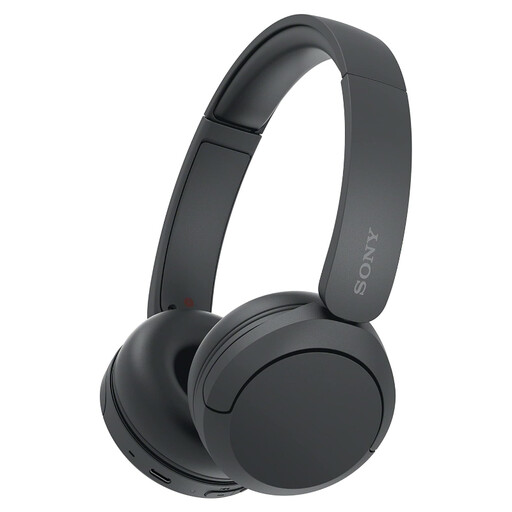
Why it suits this profile: This lightweight on-ear model is suitable for music, lessons, commuting and phone calls, without complicated settings.
The product specifications list an adjustable headband, soft ear cushions, a microphone and multipoint connectivity. Be sure to check the current battery life on the product page.
147 grams, USB-C, AAC/SBC and simultaneous connection to two devices.
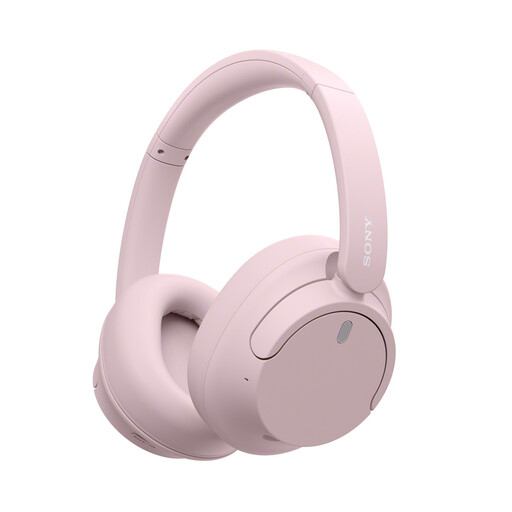
Why it suits this profile: These over-ear Sony headphones combine active noise cancelling, app settings and multipoint connectivity, making them a good fit for travelling, office work and long listening sessions.
The battery information separates usage with ANC on and off, helping you get a better idea of the expected playback time for travelling and working.
Active noise cancelling, 192 grams, USB-C and connection to two devices.
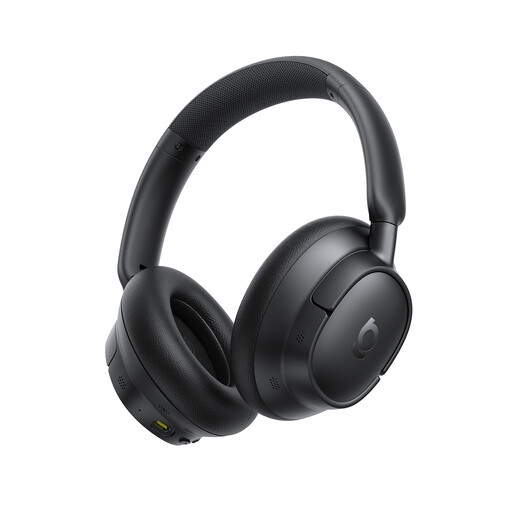
Why it suits this profile: According to the product information, this over-ear model is designed for long listening sessions, travelling, work and clear phone calls.
The stated battery life is listed separately for ANC on and off. The quoted -45 dB is a brand claim from the product information, not a universal guarantee.
Bluetooth 6.0 according to the product title, LDAC listed, USB-C fast charging and five microphones according to the product description.
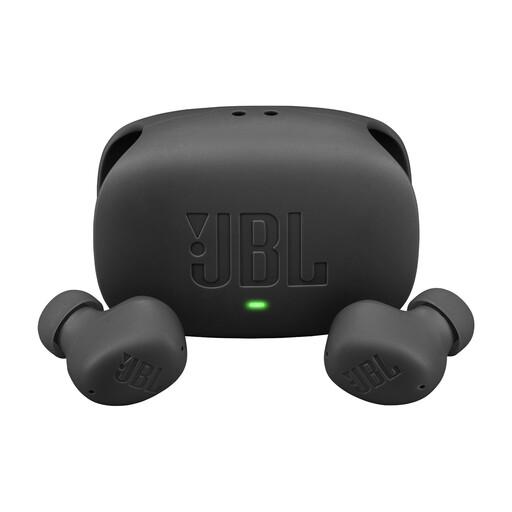
Why it suits this profile: These wireless earbuds are compact for everyday travel and, according to the product information, the earbuds have IP54 protection.
The product information distinguishes between protection for the earbuds and for the charging case. The case is not designed to be submerged.
ANC, multipoint connectivity, USB-C fast charging and up to 40 hours of total playback according to the product description with ANC off.
We’ve put together a complete, up-to-date list of products that meet these strict selection criteria and the applicable European safety regulations.
Switch on the headphones and activate pairing mode. Then open Settings > Bluetooth on your smartphone and select the device name. On some models, Google Fast Pair or Microsoft Swift Pair can help with the initial connection. If pairing doesn’t work, remove an old Bluetooth connection and try again.
Battery life can range from a few hours for compact earbuds to tens of hours for over-ear models. The lifespan of the built-in battery depends on charging habits, temperature and use. Keep your headphones dry, avoid prolonged exposure to heat and check the manufacturer’s instructions.
Not necessarily. Active noise cancelling can be useful in the office, on train journeys and on long flights. When cycling or walking in busy traffic, a transparency mode or a less isolating model may be more practical. So first compare the fit, microphone, battery life and safety features with the way you plan to use your headphones.
