
Vandaag of morgen in huis

Kwaliteit gegarandeerd

Welkomstaanbiedingen ontgrendelen: GRATIS bezorging | Tot 80% korting | Gratis 30 dagen JoyPlus-proefperiode
Download de app
A pair of wireless headphones might seem easy to choose on paper. You see Bluetooth, long battery life and perhaps noise cancelling. But these are precisely where the biggest differences lie. A model might promise long listening time, for example, but only with ANC switched off. Water-resistant earbuds may be suitable for sweat, but not for a downpour. And a comfortable fit in a product photo tells you little about how they’ll feel after two hours of wear.
Use these practical checks to avoid a disappointing purchase and compare headphones, wireless earphones and wireless earbuds based on the features that matter in everyday life.
Manufacturers often quote maximum battery life under specific conditions. This might mean a certain volume level, noise cancelling switched off or use with the charging case. So, with a noise-cancelling headset with ANC, listening time may be lower.
Check three figures:
According to the product information, for example, the Soundcore Space One offers up to 55 hours of battery life. Other models give a separate figure for use with ANC. Actual battery life can vary depending on volume, connection, codecs and features.
An IPX4 or IP54 rating doesn’t mean you can submerge a product. IPX4 is designed to protect against splashes, sweat and light rain. The charging case may also have a different level of protection from the earbuds.
So, when choosing sports earbuds, check:
Headphones without a water-resistance rating are less suitable for sport or wet weather, even if the casing feels sturdy.
Headphones with ANC use microphones and electronics to reduce ambient noise. How well they work varies depending on the type of sound, the fit and the surroundings. Low, constant sounds such as train or plane noise are different from voices or sudden sounds.
According to brands’ own product information, features such as adaptive ANC, transparency mode and ambient sound can adjust your listening experience. Think of these as product features, not a guarantee that every sound will disappear. When you’re in traffic, cycling or operating machinery, it’s important to stay aware of your surroundings.
The design affects comfort, sound isolation and ease of use.
Bluetooth headphones should pair reliably with your phone, laptop or tablet. Bluetooth 5.3 or 5.4 tells you more than just the version number; compatibility with your devices and the profiles used also matter. Check whether multipoint is supported if you often switch between your laptop and smartphone.
A quoted range of 9 or 10 metres, for example, usually applies in an open space. Walls, busy wireless environments and your body can affect the range.
Headphones with long battery life are especially useful if you travel often or don’t want to charge them every day. Look beyond a single marketing figure:
For calls, the number of microphones and call noise-reduction features are also relevant. These specifications give you an indication, but how clearly you can be heard also depends on wind, your distance from the phone and your surroundings.
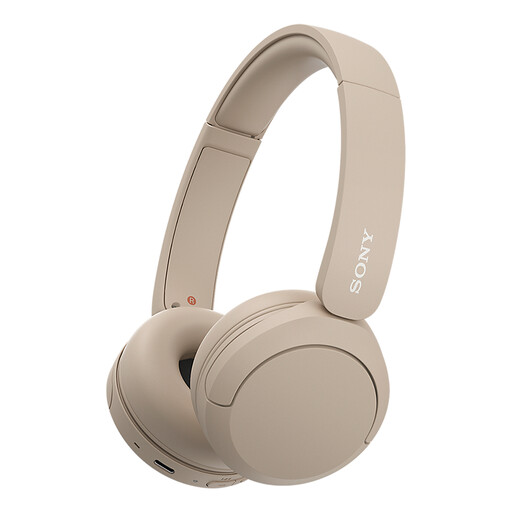
Why it suits this profile: Lightweight on-ear headphones for music, calls and everyday use, without the bulk of an over-ear model.
The quoted battery life is clearly linked to everyday use; the specifications also mention Bluetooth, a microphone and multipoint. The model isn’t water-resistant, which is made clear upfront for indoor use.
147 grams, USB-C, multipoint connection and a quoted maximum battery life of 50 hours, according to the product description.
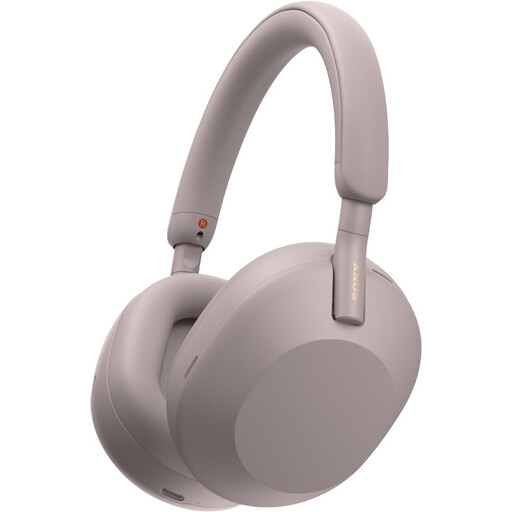
Why it suits this profile: Over-ear headphones for travellers and people working from home who value active noise cancelling, multipoint and the option to use a cable.
The specifications give separate battery life figures with and without ANC, as well as a detachable cable. That means you’re not limited to wireless use.
Over-ear design, active noise cancelling, LDAC support, multipoint and a quoted weight of 250 grams.
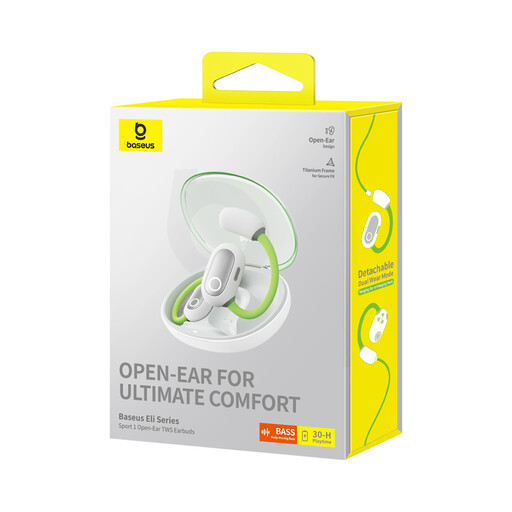
Why it suits this profile: The open-ear fit is designed for people who want to stay aware of their surroundings while walking or exercising.
The product information clearly states that this model isn’t waterproof. This helps you avoid using it in unsuitable conditions, such as swimming or heavy rain.
Open-ear design, Bluetooth 5.3, around 7 to 8 hours of playback per charge and around 30 hours with the case, according to Baseus testing.
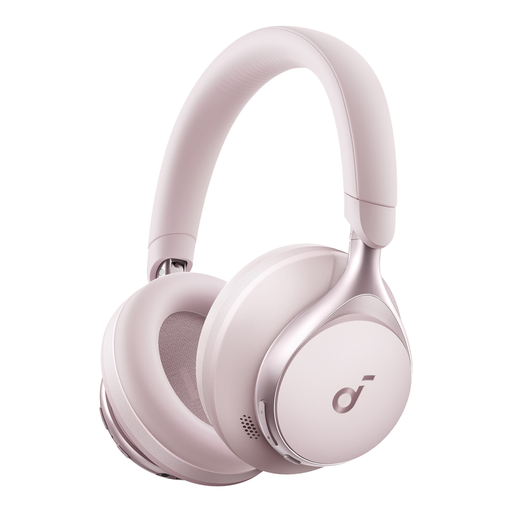
Why it suits this profile: The over-ear design combines everyday listening and calls with a quoted long battery life and USB-C charging.
The product description mentions Bluetooth, USB-C and use for music, calls and everyday listening. Before buying, check which battery life figure applies when ANC is on.
Over-ear fit, Bluetooth connection, USB-C and up to 55 hours of battery life, according to the product information.
We’ve put together a complete, up-to-date list of products that meet these strict selection criteria and the applicable European safety regulations.
Switch on Bluetooth on your phone, put your headphones into pairing mode and select the product name in your Bluetooth settings. When you connect for the first time, the brand’s app may offer additional settings. Also check that the headphones aren’t already connected to another device.
Listening time per charge ranges from a few hours for compact earbuds to dozens of hours for larger models. The product’s overall lifespan also depends on battery wear, charging habits, moisture and physical damage. Keep earbuds in their case and don’t use damaged cables or chargers.
ANC can reduce ambient noise, so it isn’t always suitable when cycling or in traffic. In situations where you need to stay alert, it’s better to choose an open-ear design or transparency mode, and follow the Dutch road rules. No feature can replace paying attention in public spaces.
