
Vandaag of morgen in huis

Kwaliteit gegarandeerd

Welkomstaanbiedingen ontgrendelen: GRATIS bezorging | Tot 80% korting | Gratis 30 dagen JoyPlus-proefperiode
Download de app
A wireless headset may seem simple to choose: select Bluetooth, check the battery life and consider the price. In practice, models vary considerably in comfort, microphone quality, water resistance and the way noise cancelling works. As a result, a cheap purchase may prove less suitable for train journeys, long working days or exercise.
The following points will help you distinguish marketing claims from verifiable product specifications.
Brands often state a maximum playback time. This figure may depend on the volume, the codec used and whether active noise cancellation is switched on. Headphones with long battery life do not automatically offer the same usage time in real-world conditions.
Therefore, check:
A noise-cancelling headset uses microphones and electronics to reduce ambient noise. The result varies depending on the type of sound. Constant low-frequency sounds, such as the hum of a train or aeroplane, are generally handled differently from voices or sudden noises.
Claims such as “up to -50 dB” come from the brand’s product information and do not guarantee the same experience in every environment. According to MINISO’s product description, the MS106 can offer adaptive noise cancellation of up to -50 dB. Treat this as a product specification under certain conditions, not a universal promise.
An in-ear model may be compact, but it will only be comfortable if the earbuds fit securely. Ear tips that are too loose reduce sound isolation, while a fit that is too tight can become uncomfortable over longer periods. With over-ear headphones, the pressure from the headband, the size of the ear cushions and the weight play a greater role.
When choosing wireless earbuds, look for several sizes of silicone ear tips or stabilising wings. If you wear glasses or use headphones for hours at a time, you may find a lightweight on-ear or over-ear model more comfortable.
Bluetooth 5.3 or Bluetooth 5.4 is available on several recent models. A newer version may offer benefits in terms of energy consumption and connectivity, but the final experience also depends on the phone, laptop or tablet you pair it with.
For work and study, multipoint is useful. It allows headphones to remain connected to two devices, for example a laptop and a smartphone. However, check that multipoint is explicitly listed in the product details; Bluetooth alone does not mean that this feature is available.
With a headset featuring active noise cancellation, transparency mode is useful when you want to hear traffic, announcements or colleagues. Noise cancelling is not intended for situations where ambient sound is essential for safety. Switch the function off when cycling, driving or operating machinery.
An in-ear model often blocks out some ambient noise simply through its fit. Over-ear headphones cover the entire ear and can therefore provide a different sense of isolation. The choice depends on your surroundings and preferences, not just on the number of decibels stated in the product description.
An IP rating indicates how well a product is protected against dust or water. IPX4, for example, means protection against splashing water according to the stated classification, while IPX5 indicates a different test category for water jets. Neither rating automatically means that a product is suitable for immersion.
For sports earbuds, the fit is just as important as the IP rating. A model that comes loose while running is less practical, even if it can withstand sweat or light rain. Over-ear models without a water-resistance rating are generally less suitable for wet conditions.
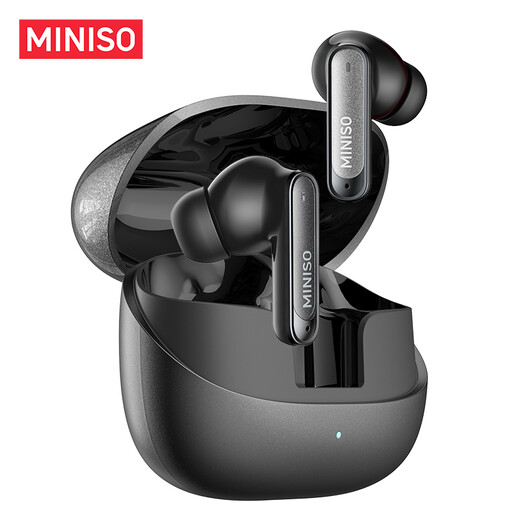
Why it suits this profile: These Bluetooth earbuds combine a compact true-wireless design with touch controls and a charging case. According to the product description, the total battery life is up to 55 hours.
The product details mention IPX5 and a fast-charging function in addition to ANC. Before buying, check that these features suit your phone and intended environment.
IPX5 rating, six microphones according to the product description and a 10mm dynamic driver.

Why it suits this profile: These over-ear headphones are designed for listening to music, travelling and long work sessions. According to the product description, the model offers active noise cancellation, a transparency mode and up to 60 hours of playback.
The product information lists both ANC and transparency mode. This means you do not have to keep taking the headphones off to hear ambient sounds.
42mm transducers, four microphones for calls and a stated battery life of up to 60 hours.
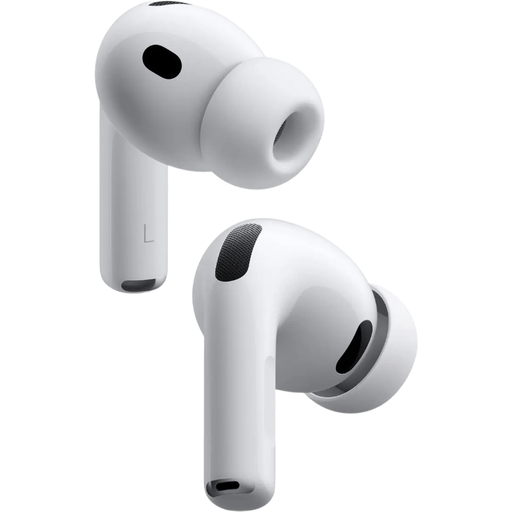
Why it suits this profile: This model is designed for Apple users who combine music, films, calls and fitness activities. The product details mention five sizes of silicone ear tips, ANC, spatial audio and a heart-rate sensor.
The supplied ear-tip sizes make it easier to adjust the fit. The stated usage time is up to 8 hours with noise cancelling and up to 10 hours in transparency mode.
Bluetooth 5.3, IP57 according to the product details and a charging case with USB-C and wireless charging options.
We have put together a complete, up-to-date list of products that fully meet these strict selection criteria and the applicable European safety regulations.
Switch on the headphones and activate pairing mode. Then open the Bluetooth settings on your smartphone and select the model name. On some Apple, Samsung and Android devices, a shortcut will appear on screen. If the connection does not work, remove the model from the list of known devices and try again.
Their lifespan depends on charging cycles, moisture, hinges, ear cushions and daily use. Battery capacity decreases over time. A model with replaceable ear cushions, a sturdy storage case and a USB-C connection may remain practical for longer. Keep the headphones dry and charge them with a suitable cable.
Bluetooth headphones use little power per listening session. Charging consumption is generally limited, but varies depending on battery capacity and charging frequency. Active noise cancellation, high volumes and features such as spatial audio can reduce the usage time per charge. Therefore, check the stated battery life with the features you actually intend to use.
