
Vandaag of morgen in huis

Kwaliteit gegarandeerd

Welkomstaanbiedingen ontgrendelen: GRATIS bezorging | Tot 80% korting | Gratis 30 dagen JoyPlus-proefperiode
Download de app
Wireless headphones may seem simple to choose: select Bluetooth, check the battery life and look at the price. In practice, it’s the fit, microphone quality and connection that determine how comfortable they are to use every day. A low price can be tempting, but a poor fit or missing cable could lead to frustration later on.
As a Joybuy Product Recommendation Officer, I assess product information against verifiable criteria. Below, you’ll find what to look for in Bluetooth headphones for music, calls, travel, work, sport or gaming.
Manufacturers often quote battery life under specific conditions. Noise cancelling, high volume, phone calls and codecs can all affect actual playback time. So check whether the quoted figure applies with or without ANC.
Also look out for fast charging. A few minutes of charging can be handy when you’re out and about, but check how much playback time it actually provides.
Noise-cancelling headphones use microphones and electronics to reduce certain background sounds. The results vary depending on the situation. Low, constant sounds such as engine noise are generally treated differently from voices or sudden sounds.
A transparency mode can also be useful on public transport or in the office. With an open-ear model such as the Lenovo LE302, the product description says that you can hear more of your surroundings. This also means you’ll get less sound isolation than with closed-back over-ear headphones.
On-ear headphones sit on your ears and are often compact and lightweight. Over-ear headphones enclose your ears and can provide more passive sound isolation, but they’re usually larger and heavier. In-ear earbuds are small, but how they fit in your ear canal has a big impact on comfort.
For extended use, it’s worth considering the weight, how adjustable the headband is and the pressure from the ear cushions. A pair that feels comfortable on a short shopping trip may be less comfortable after a few hours.
For everyday use, battery life of around 20 to 40 hours is practical for many people. If you travel often or don’t want to charge regularly, look for models with a longer quoted playback time. The Intenso O400HA, for example, lists up to 75 hours, while the JBL Tune 520BT2 offers up to 76 hours according to the product information.
Also look out for:
If the information conflicts, always check the latest product specifications. The Sony WH-CH520 description quotes up to 50 hours, while the specifications table lists 40 hours.
Bluetooth headphones should be compatible with your devices. Bluetooth 5.0, 5.2, 5.3, 5.4 or 6.0 doesn’t directly indicate sound quality, but it can tell you something about compatibility, power consumption and features.
Multipoint is useful if you want to connect to, for example, a laptop and smartphone at the same time. This lets you switch more quickly between a video call and music. Check that multipoint is specifically listed in the product specifications.
Audio codecs such as AAC, SBC and LDAC determine how audio is transmitted wirelessly. Both devices need to support the same codec: the headphones and your smartphone or laptop.
If you’re looking for headphones for music and calls, don’t just check the speakers. Look at the number and position of the microphones, and whether they offer noise reduction for calls. A gaming headset often has a boom microphone, while a standard Bluetooth headset uses microphones built into the earcups.
For gaming, a wired connection can sometimes make more sense, thanks to the direct connection and no need to stop and charge. The Razer BlackShark V2 X and JBL Quantum 120 use a 3.5mm connection, so they aren’t wireless gaming headsets. They’re still suitable if you value a stable connection and a microphone more than the freedom of wireless use.
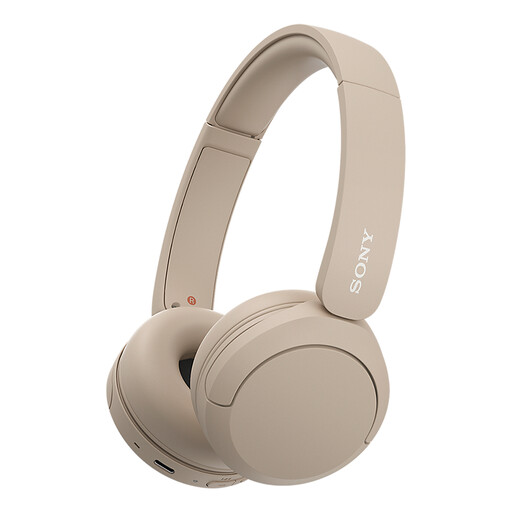
Why it suits this profile: These lightweight on-ear headphones have a microphone, multipoint and USB-C charging. They’re suitable for music, everyday phone calls and switching between a laptop and smartphone.
The product information lists specific connections and features rather than relying on general claims about sound. However, check the stated battery life, as the description and table differ.
147 grams, on-ear design, multipoint and a quoted Bluetooth range of 10 metres.

Why it suits this profile: These closed-back over-ear headphones are designed for people looking for active noise cancelling, an app, multipoint and an audio cable included in the box.
The product page lists both ANC and a cable for use without battery power. The quoted battery life is 24 hours; if long battery life is your priority, compare other models.
Active noise cancelling, Bluetooth 5.3, app support and multipoint.
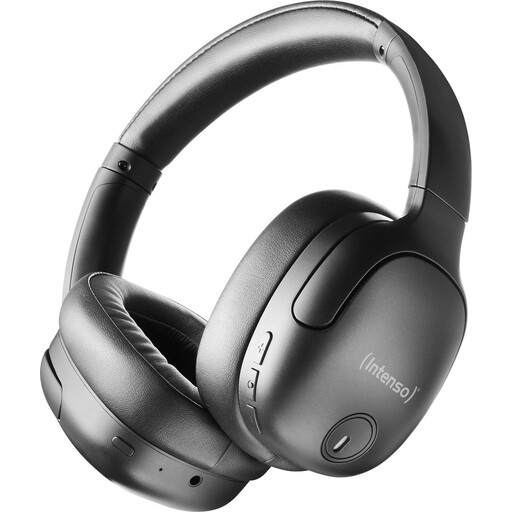
Why it suits this profile: These headphones are designed for travel, everyday use and long listening sessions. The combination of over-ear cushions, ANC, transparency mode and a 3.5mm cable gives you several ways to use them.
You’re not reliant solely on Bluetooth or the battery: the product information also lists an analogue connection and transparency mode.
Bluetooth 5.3, up to 75 hours of quoted battery life, hybrid ANC and a foldable design.
We’ve put together a complete, up-to-date list of products that meet these strict selection criteria and the applicable European safety regulations.
Switch on the headphones, activate pairing mode and open the Bluetooth settings on your smartphone. Select the product name from the list. Features such as Google Fast Pair or Microsoft Swift Pair can speed up setup on compatible devices.
Battery life depends on battery capacity, charging habits, volume and features such as ANC. A model with a 3.5mm connection can still be used for listening when the battery is flat. Keep your headphones dry and follow the manufacturer’s charging and care instructions.
In general, active noise cancelling uses extra power, so playback time may be shorter than when ANC is off. If the manufacturer lists both figures, be sure to compare them.
