
Vandaag of morgen in huis

Kwaliteit gegarandeerd

Welkomstaanbiedingen ontgrendelen: GRATIS bezorging | Tot 80% korting | Gratis 30 dagen JoyPlus-proefperiode
Download de app
A pair of wireless headphones may seem easy to choose at first glance. Yet many buyers are swayed by a long list of features, when comfort, battery performance and compatibility are what determine whether you will continue using the product every day. This applies to both Bluetooth headphones and wireless earbuds.
Manufacturers often state the maximum playback time. This figure can vary depending on volume, codec, active noise cancellation and microphone use. With true wireless earbuds, it often refers to the total playback time including the charging case.
Always compare:
Over-ear headphones generally have more room for a larger battery. A model such as the Soundcore Space One claims up to 55 hours of use, while compact in-ear earbuds usually last for less time per charge.
An IP rating indicates how well a product is protected against dust and moisture. IPX4, for example, means protection against splashing water, not submersion. IP55 and IPX5 likewise do not mean you can safely take earbuds swimming or wear them in heavy rain.
When choosing sports earbuds, check:
Active noise cancellation, or ANC, works mainly against consistent low-frequency sounds, such as the noise of a train or aeroplane. Its effectiveness varies depending on the shape of your ears, the fit and your surroundings. A brand may quote a particular noise-reduction figure based on its own research, but that figure is not a universal guarantee of real-world performance.
A good fit remains important. With in-ear earbuds, the right silicone tips often provide passive sound isolation on their own. With over-ear headphones, the ear cushions seal around your ears without allowing the pressure to build too much.
In-ear earbuds are small, lightweight and easy to carry around. They are well suited to commuting, calls and sport, but not everyone finds wearing them in the ear canal comfortable for long periods.
On-ear headphones rest on your ears. This usually results in a compact design, but the pressure on your ears can become noticeable during long listening sessions.
Over-ear headphones completely enclose your ears. This type is worth considering for films, travelling and working in a noisy environment. Do check the weight and ventilation, though. The Soundcore Space One, for example, weighs 259 grams, while the Sony WH-CH520 weighs 147 grams according to the product specifications.
Bluetooth 5.3 or Bluetooth 5.4 mainly tells you about the generation of the connection. It does not automatically mean that every device supports the same features. Check whether your Android phone, iPhone, tablet or laptop is compatible.
Audio codecs are also relevant. Many models support SBC and AAC. Some wireless headphones add a codec such as LDAC or LHDC. The practical benefit depends on the source, the settings and the device being used.
Multipoint is useful if you want to connect to, for example, a laptop and smartphone at the same time. You can then switch more easily between music, a video call and a phone call. Check that multipoint is actually listed in the specifications and not merely described as a general “dual device” function.
For headphones used for music and calls, having multiple microphones is not in itself proof of better call quality. Wind, traffic, microphone placement and software also have an impact.
If you want to remain aware of traffic and public announcements while walking or travelling, look for transparency mode or ambient sound. ANC can reduce your awareness of your surroundings. Do not use noise cancellation while cycling, driving or in other situations where you need to hear ambient sounds.
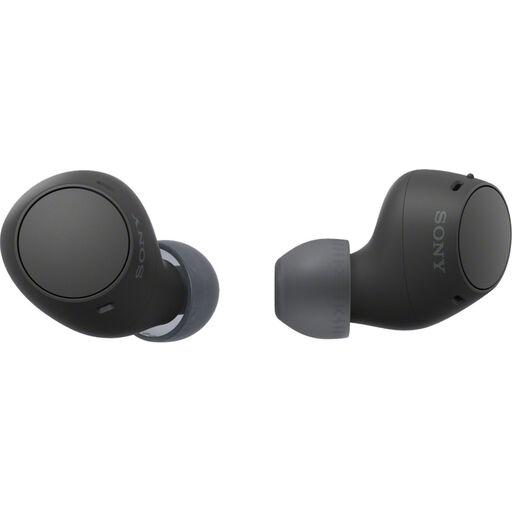
Why it suits this profile: These compact in-ear earbuds are suitable for everyday listening, calls and travelling without the bulk of over-ear headphones.
The stated 22 hours includes the charging case, making the battery claim clearer. IPX4 is suitable for splashing water, but not for submersion.
Bluetooth 5.3, multipoint, USB-C charging case, microphone and a weight of 4.6 grams per earbud.

Why it suits this profile: The over-ear design is well suited to long listening sessions, travelling and working with music or podcasts.
The product specification lists ANC, transparency mode and up to 60 hours of playback time. The headphones are not water-resistant.
42mm drivers, four microphones, Bluetooth, 3.5mm connection and up to 60 hours of battery life according to the product information.
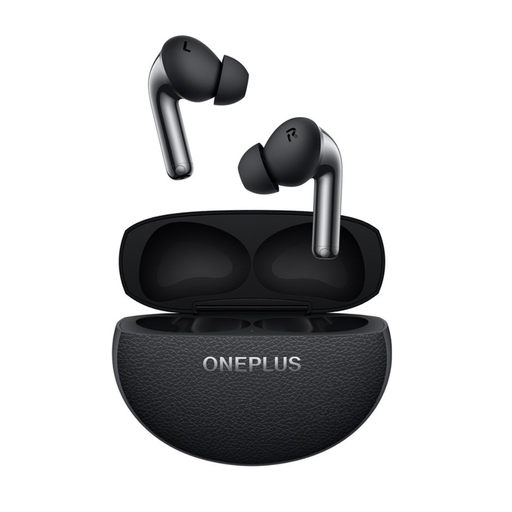
Why it suits this profile: This model is aimed at users who want to combine ANC, sport, calls and connection to two devices.
The IP55 rating is clearly specified for protection against dust and splashing water. The stated 44 hours refers to the combined earbuds and charging case.
Bluetooth 5.4, hybrid ANC, multipoint, three microphones with VPU and a USB-C charging port.
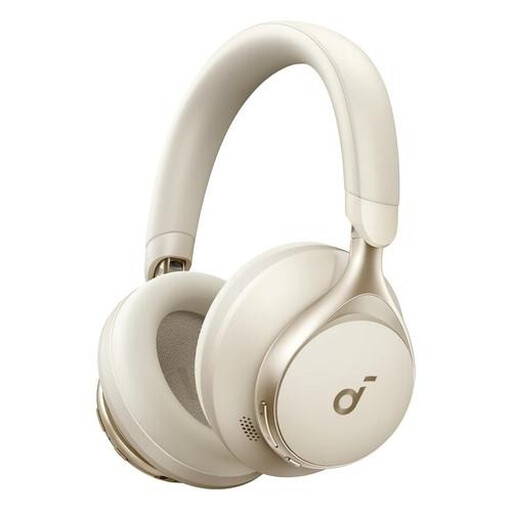
Why it suits this profile: The combination of Bluetooth and a 3.5mm cable is practical for work, train journeys and devices without wireless connectivity.
The product information mentions both wireless and wired connections. This means you are not entirely dependent on Bluetooth or a flat battery.
40mm drivers, three microphones, foldable design, Bluetooth and up to 55 hours of battery life according to the product specifications.
We have compiled a complete, up-to-date list of products that fully meet these strict selection criteria and the applicable European safety regulations.
Most Bluetooth models work with both Android and iOS. Features such as an app, quick pairing, spatial audio or a voice assistant may differ between operating systems, however. Check compatibility before placing your order.
Their service life depends on battery wear, charging habits, volume and temperature. Headphones with long battery life will not automatically last longer as a device. Also check the warranty, updates, replaceability of the ear cushions and the availability of accessories.
Yes, ANC uses additional power. Playback time with noise cancellation enabled is therefore often lower than the maximum figure without ANC. When comparing models, look at both figures, especially if you use the headphones on long flights, train journeys or working days.
