
Vandaag of morgen in huis

Kwaliteit gegarandeerd

Welkomstaanbiedingen ontgrendelen: GRATIS bezorging | Tot 80% korting | Gratis 30 dagen JoyPlus-proefperiode
Download de app
Wireless headphones may seem like an easy choice on paper. But inflated battery-life claims, vague promises about noise cancellation and unclear information about water resistance can all lead to a disappointing purchase. The right choice depends above all on where and how you plan to use your headphones.
Whether you’re looking for Bluetooth headphones for train journeys, wireless headphones with a microphone for work or sports headphones for outdoor use, start by checking the specifications that make a real difference in everyday use.
Manufacturers often quote the maximum playback time. This can vary when noise cancellation, high volume or phone calls are involved. So, if both figures are available, always compare battery life with and without active noise cancellation.
Also check how the headphones charge. A USB-C port is practical, while fast charging is useful if you’re short on time before heading out. Long battery life is particularly useful for long journeys, but it doesn’t automatically make a pair suitable for everyday use if they’re uncomfortable to wear.
Noise-cancelling headphones use microphones and electronics to reduce background noise. How well they do this varies by model and type of sound. Constant low-frequency sounds, such as engine noise on a plane or train, are generally a different challenge from office conversations.
Check whether a transparency or ambient sound mode is available, too. When cycling, walking or travelling, it’s important to be aware of your surroundings. Don’t use headphones in situations where you need to stay fully alert.
An IP rating uses numbers to indicate protection against dust and water. IP55, for example, means protection against dust and water jets, but it doesn’t automatically mean a product is suitable for immersion. Also check whether the manufacturer explicitly says the product can be used for swimming, and whether Bluetooth works underwater. This isn’t something you can take for granted.
On-ear or over-ear headphones without a water-resistance rating are generally less suitable for intense sweating or rain. Only store or charge sports headphones once the charging port is completely dry.
Bluetooth 5.2, 5.3 and 5.4 are common in the current range. A higher version number doesn’t automatically mean better sound. Also check for multipoint support, which lets you connect to a laptop and smartphone at the same time, for example.
The supported audio codec matters when listening to music. Sony WH-1000XM5 models, for example, list AAC, SBC and LDAC. Not every smartphone or laptop supports every codec, so check compatibility with your devices.
As well as the weight, consider the shape of the headband, how adjustable it is and whether the ear cups can swivel or fold flat.
If you spend a lot of time in meetings, you’ll need more than just a wireless connection. Check the number of microphones, whether there’s noise reduction for calls and whether multipoint is supported. An AI call feature doesn’t guarantee that your voice will be clear; the product description and compatibility with your phone still matter.
For an AI translation headset, also check whether you need an app, how many languages are supported and how long the earbuds last on a single charge. According to the product information, the VoxorAI XH12 supports around 150 languages through a companion app. This is a specification provided by the seller, not a guarantee that every translation will be accurate in all situations.
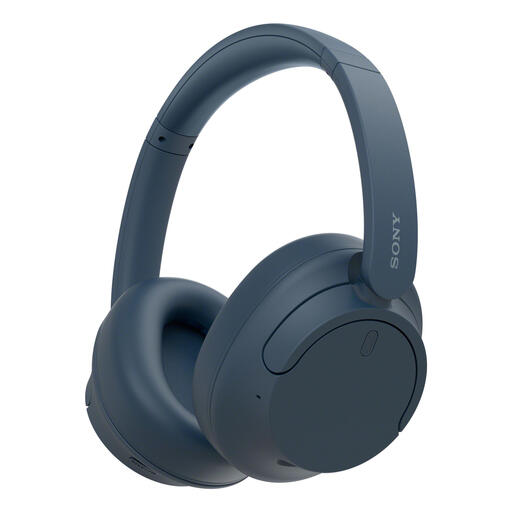
Why it suits this profile: This over-ear model combines active noise cancellation, multipoint and app control for music, studying and commuting.
The product information gives separate figures for use with and without noise cancellation: up to 35 and 50 hours.
192 grams, Bluetooth and multipoint; the battery life and features are clearly described in the listing.
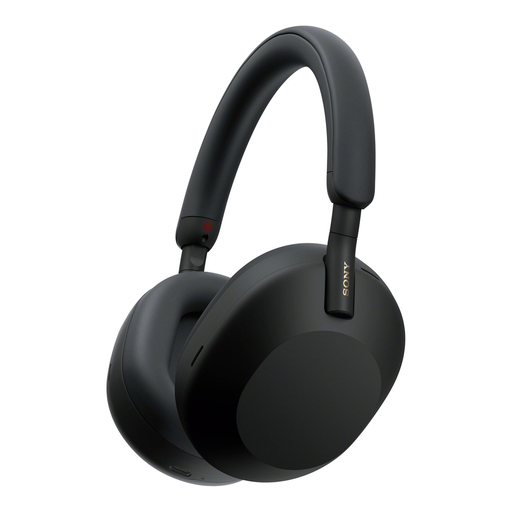
Why it suits this profile: A premium pair of headphones for travellers and music lovers who value LDAC, multipoint and a closed-back over-ear design.
The listing quotes 30 hours with active noise cancellation and 40 hours without, helping you judge the claim against how you’ll use them.
Bluetooth 5.2, LDAC, multipoint, a microphone and a stated weight of 250 grams.
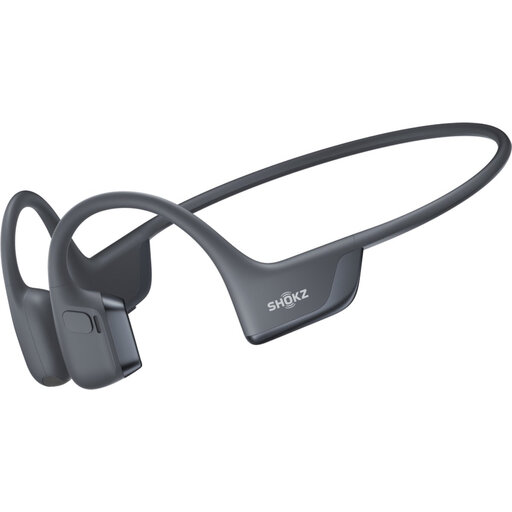
Why it suits this profile: These open-ear bone conduction headphones are designed for running, cycling and other activities where it’s important to stay aware of surrounding sounds.
The stated IP55 rating makes it clear that this model isn’t intended for use underwater.
30.3 grams, Bluetooth 5.3, a built-in microphone and a stated playback time of 12 hours.
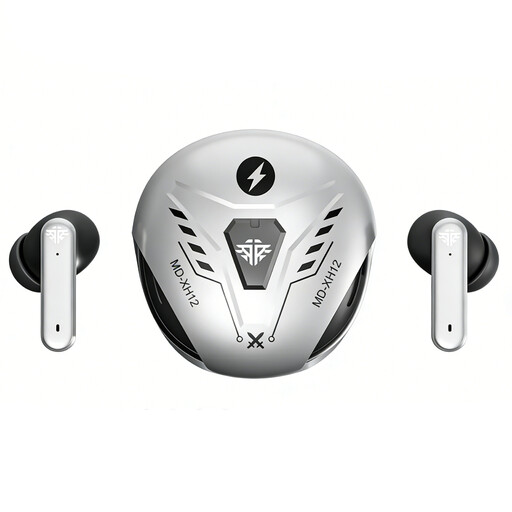
Why it suits this profile: These in-ear headphones are designed for people who want translation features as well as calling, music and travel functions.
The instructions say you need to download an app and use the QR code in the manual; check this before buying.
Bluetooth 5.4, touch controls and, according to the product description, support for around 150 languages.
We’ve put together a complete, up-to-date list of products that meet these strict selection criteria and the applicable European safety regulations.
Turn on Bluetooth on your phone, put the headphones into pairing mode and select the model name from the list of available devices. Some models require an app first. Once paired, check that calls, music and multipoint work correctly.
Battery life depends on battery capacity, volume, charging habits and whether you use noise cancellation. The stated playback time is a guide. Keep the headphones dry, use a suitable charger and regularly check the condition of the cable and charging port.
The electricity used for charging is generally minimal. The main ongoing costs arise when the battery loses capacity after prolonged use or accessories need replacing. A model supplied with a cable can be practical if you also want to listen using a wired connection.
