
Vandaag of morgen in huis

Kwaliteit gegarandeerd

Welkomstaanbiedingen ontgrendelen: GRATIS bezorging | Tot 80% korting | Gratis 30 dagen JoyPlus-proefperiode
Download de app
Wireless headphones may seem easy to choose on paper. Bluetooth, long battery life and noise cancellation feature prominently on many product pages. However, these terms do not tell you everything about everyday use. A model may offer powerful noise cancellation but be too heavy for long train journeys. Wireless earbuds can be compact, but without a good fit they may become uncomfortable after an hour.
So don’t focus solely on marketing terms. Pay particular attention to the combination of wearing comfort, battery life, connectivity, moisture protection and intended use.
A quoted battery life often applies under specific conditions. With Bluetooth headphones, actual usage time may be lower when ANC, high volume levels or phone calls are active. With wireless earbuds, you should also distinguish between:
Headphones with long battery life are most practical when the manufacturer clearly states which settings were used for the measurement.
ANC stands for active noise cancellation. Microphones detect surrounding sounds, after which the headphones produce an opposing sound. This can be particularly useful on aeroplanes, trains and in busy offices. However, performance varies according to the model, fit and type of noise.
Also look for a transparency mode. This allows surrounding sounds through, which is useful when walking in traffic or when you want to have a conversation. Do not use noise-cancelling headphones or ANC headphones in situations where you need to hear traffic or other surrounding sounds clearly.
An IPX4 or IP54 rating generally indicates protection against splashes, not immersion. The charging case may sometimes have a different protection rating from the earbuds. So always check:
Sports earbuds with IPX4 are therefore not automatically suitable for swimming. Swimming requires a model with a higher rating, such as IP68, but even then you should follow the usage instructions.
Over-ear headphones completely cover the ear. This can provide passive sound isolation and a secure fit when travelling or working. Consider the weight, the pressure from the headband and the size of the ear cushions. A heavier model may be less comfortable during extended use.
In-ear earbuds are smaller and easy to carry. Check whether several ear tip sizes are included and whether the shape suits your ears. A good seal affects both comfort and the perceived bass and noise cancellation.
Bluetooth 5.3 or 5.4 generally supports a modern, stable connection, but the actual experience also depends on your smartphone, laptop and software. Check that the headphones are compatible with your devices.
Multipoint enables simultaneous connection to, for example, a laptop and smartphone. This is useful when working from home. For music enthusiasts, supported codecs such as AAC, SBC or LDAC may be relevant. The highest quality is only noticeable when both the source and the headphones support the same codec.
Don’t just compare the number of hours. Also consider charging time and the charging port. USB-C is practical because the same cable is often used for other devices. Some models support wireless charging or quick charging.
A detachable cable is a useful backup when the battery is empty or when you are using a source without Bluetooth. Do check whether the cable has a 3.5mm connection, USB-C audio or another type of connection.
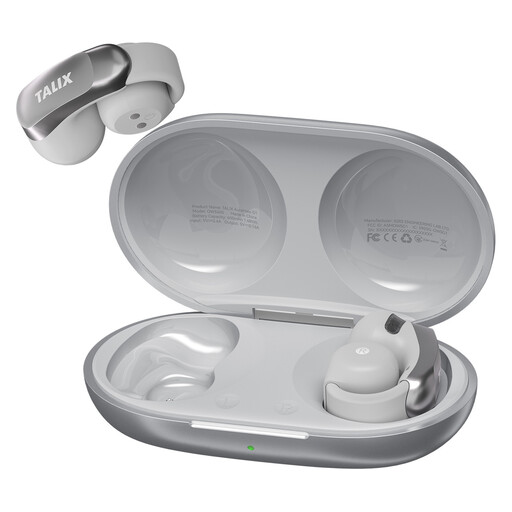
Why it suits this profile: These Bluetooth earbuds are designed for everyday use, calls and light sports activities. The clip-on design may be comfortable for users looking for a secure fit.
The product information states 7 hours of playback per charge, 28 hours with the case and IPX4 protection. This makes the key usage limits clearer than a vague claim about battery life.
Bluetooth 5.3, four microphones, a silicone ear hook and a total battery life of 28 hours according to the product specifications.
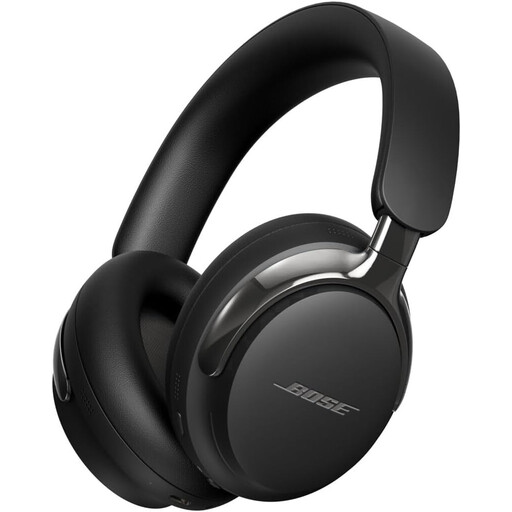
Why it suits this profile: These over-ear headphones are designed for music, films, travel and focused work. The supplied connection options also provide an alternative to Bluetooth.
The product information lists Bluetooth 5.4, a detachable cable and a range of 9,14 metres. You are therefore not entirely dependent on a single wireless connection.
Cinema Mode, Bose Immersive Audio, active noise cancellation and 3.5 mm and 2.5 mm connections according to the product details.
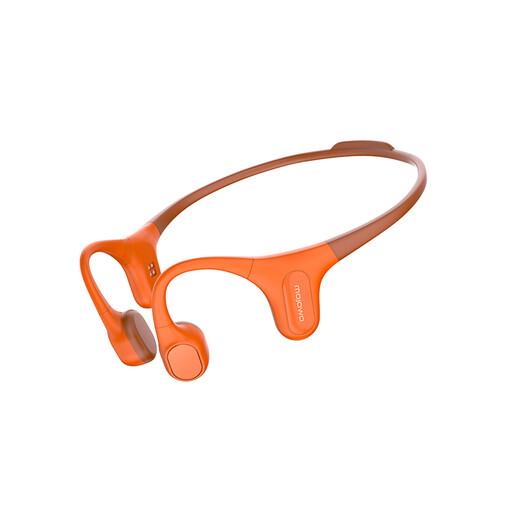
Why it suits this profile: This open-ear model is designed for running, cycling, the gym and swimming. The design leaves your ears uncovered, making it suitable for activities where awareness of your surroundings is important.
The product information states IP68 and 32 GB of built-in storage. However, check the manual and dry the device completely before charging it.
Open-ear bone-conduction design, IP68 rating and built-in MP3 player according to the product information.
We have compiled a complete, up-to-date list of products that fully meet these strict selection criteria and the applicable European safety regulations.
Use this quick checklist:
For Apple users, AirPods can offer practical features within the Apple ecosystem. Samsung users may wish to look for integration with Galaxy devices. If you use different brands, pay particular attention to general Bluetooth compatibility and which features are only available through a specific app.
Switch on Bluetooth, open the Bluetooth settings and put the headphones or earbuds into pairing mode. Then select the product name. With some models, the initial connection is made through a brand app. If pairing does not work, remove the previous Bluetooth listing and try again.
Battery capacity decreases over time. Service life depends on charging cycles, heat, usage time and storage. A model with replaceable parts, durable ear cushions or a cable option may remain practically usable for longer. Keep the headphones dry and charge them according to the manufacturer’s instructions.
Bluetooth itself does not involve subscription fees. However, you should account for the electricity used to charge the device and any costs for a brand app or streaming service. Also check whether features such as firmware updates, an equaliser or a voice assistant are available without a paid subscription.
