
Vandaag of morgen in huis

Kwaliteit gegarandeerd

Welkomstaanbiedingen ontgrendelen: GRATIS bezorging | Tot 80% korting | Gratis 30 dagen JoyPlus-proefperiode
Download de app
Wireless headphones may seem simple to choose: connect via Bluetooth, play some music and you’re ready to go. Yet many people end up with the wrong pair because they haven’t looked closely at the specifications. For example, a long battery life doesn’t always tell you how long they’ll last with active noise cancelling switched on. And a pair that feels comfortable during a quick trip to the shops might feel heavy or warm after a long train journey.
This buying guide explains which features matter for the way you’ll use your headphones. You’ll then find a selection for different types of user, based on verifiable product specifications.
Manufacturers often state the maximum battery life. This figure can vary when active noise cancelling, phone calls or a high volume setting are used. So check whether the stated playback time applies with or without noise cancelling.
For example, according to its product specifications, the Sony WH-1000XM5 offers up to 30 hours with noise cancelling and up to 40 hours without noise cancelling. That difference matters if you take long flights or train journeys.
Noise cancelling headphones use microphones and electronics to partially reduce ambient noise. The result depends on the type of sound, the fit and the seal around your ears. Low, steady sounds such as train or aircraft noise are generally treated differently from voices or sudden sounds.
Think of active noise cancelling as a way to reduce ambient noise, not as a guarantee of complete silence. When you’re in traffic or cycling, you also need to be able to hear enough of what’s going on around you.
Over-ear headphones go around your ears and can be suitable for long listening sessions. On the other hand, they can feel larger and warmer. On-ear or in-ear models are often more compact, but the fit varies considerably from person to person.
Open-ear headphones or ear-clip models let ambient noise in. This can be useful when walking or exercising, but the listening experience and bass response aren’t the same as with closed-back over-ear headphones. Check the stated water resistance, too: sports headphones without a clear IP rating aren’t automatically suitable for rain or heavy sweating.
Look at:
Headphones with long battery life are useful for travelling and office work. For a daily commute, 20 to 30 hours may be enough, while frequent users might look for 45 hours or more. According to the product specifications, the Razer Barracuda X offers up to 50 hours and the Dell Pro Plus Wireless ANC Headset up to 78 hours.
Bluetooth headphones need to work not only with your smartphone, but possibly with a laptop, tablet or games console too. So check:
Bluetooth 5.3 or 5.4 doesn’t automatically mean better sound. The codec, software and source device also play a part. For gaming, a 2.4GHz connection via a dongle can be useful for the low latency you need.
Check the weight, the shape of the ear cushions and whether the headband is adjustable. The microphone is also important if you want headphones for listening to music and making calls. Product specifications may state the number of microphones, but that doesn’t guarantee clear speech in every environment.
Avoid listening at high volume for long periods. With models that have active noise cancelling, it may also be harder to hear traffic or other warnings. Follow the manufacturer’s safety instructions.
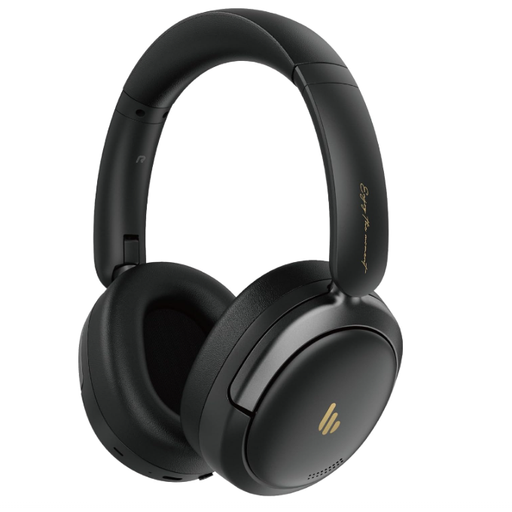
Why it suits this profile: This model combines an over-ear design with Bluetooth 5.4, a built-in microphone and a stated playback time of 45 hours. That makes it suitable for listening to music, working from home and everyday travel.
The product specifications state both the battery life and dual-device connectivity. Still, check that the fit and stated noise cancelling suit the way you’ll use it.
45 hours of playback according to the product information; Bluetooth 5.4 and connection to two devices.
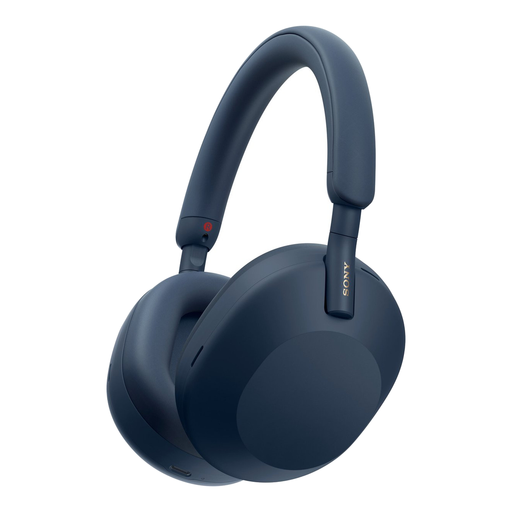
Why it suits this profile: If you travel frequently or need to concentrate at work, this over-ear model offers active noise cancelling, multipoint connectivity and support for LDAC, AAC and SBC.
The product specifications distinguish between 30 hours with noise cancelling and 40 hours without it. This makes it easier to match the battery claim to the way you’ll use the headphones.
Multipoint connection; active noise cancelling; 3.5mm socket and USB-C charging.
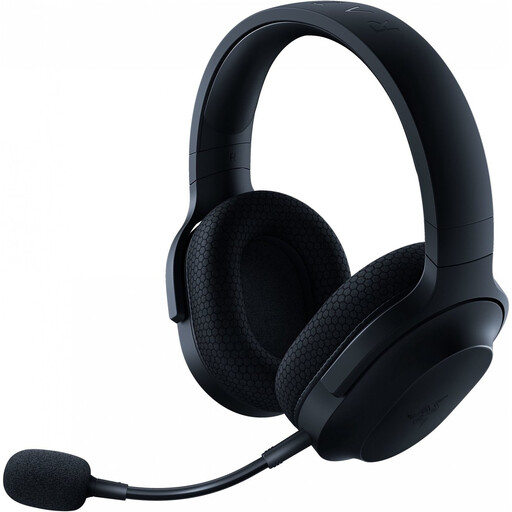
Why it suits this profile: This gaming headset is designed for users who switch between PC, PlayStation, Nintendo Switch, Android and mobile use.
As well as Bluetooth 5.2, this model comes with a USB-C dongle and a 3.5mm cable. That means you’re not reliant on just one type of connection.
Up to 50 hours of battery life according to the product specifications; detachable microphone and 2.4GHz wireless connection.
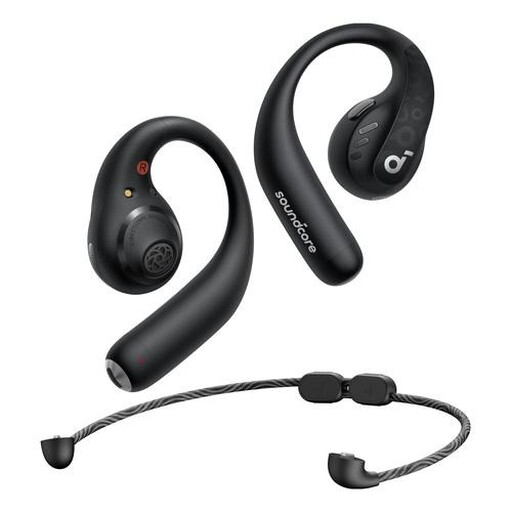
Why it suits this profile: The ear-hook design is made for exercise and everyday movement. Its open design lets in more ambient noise than closed-back over-ear headphones.
The product specifications state an IPX5 water-resistance rating. This doesn’t mean the headphones can be submerged, but it does give you a clear indication of their suitability for sweat and light rain.
Ear-hook design; Bluetooth 5.3; IPX5 rating and 14 hours of continuous playback according to the product information.
We’ve put together a complete, up-to-date list of products that meet these strict selection criteria and current European safety regulations.
First, charge the headphones and switch on Bluetooth on your phone. Put the headphones into pairing mode, then select the product name from the Bluetooth list. If you have problems, it often helps to remove an old pairing and restart both devices.
Their lifespan depends on the battery, charging habits and the quality of the ear cushions and headband. A battery may lose capacity over time. Keep your headphones dry, avoid prolonged exposure to heat and use a suitable charging cable. Your statutory consumer guarantee remains applicable under the relevant EU and Dutch rules.
They generally use little power while charging. The main practical differences are how often you need to charge them and whether features such as active noise cancelling are switched on. A model with longer battery life can therefore be more convenient if you’re often out and about.
