
Vandaag of morgen in huis

Kwaliteit gegarandeerd

Welkomstaanbiedingen ontgrendelen: GRATIS bezorging | Tot 80% korting | Gratis 30 dagen JoyPlus-proefperiode
Download de app
Wireless headphones might seem easy to choose at first. But exaggerated battery-life claims, unclear water resistance and poor comfort can all leave you disappointed with your purchase. The same goes for Bluetooth headphones, wireless earbuds and models with active noise cancellation.
So don’t just look at the brand or the discount. Focus on the features that suit how you’ll use them in the UK: cycling or travelling, working from home, making calls, exercising, gaming or watching films.
Manufacturers often quote the maximum battery life under specific conditions. With active noise cancellation, high volume levels, phone calls or spatial audio, actual battery life may be shorter.
So check:
The Sony WH-CH520 product description quotes up to 50 hours of use, while the technical specifications state 40 hours. That difference shows why it’s important to check both the general description and the specifications table.
An IP rating tells you something about protection against water and dust, but it doesn’t mean every product is suitable for swimming. IPX5, for example, is designed to protect against splashes and sweat, not submersion. It’s best not to use a model without an IP rating, such as some over-ear headphones, in the rain or during intense exercise.
Be aware of the difference between:
For water-resistant speakers, make sure any covers are properly closed, and only charge a wet product once it’s completely dry.
Noise-cancelling headphones use microphones and electronics to reduce background noise. How well they work can vary depending on the type of sound. Low, constant sounds from a train engine are often easier to reduce than voices or sudden noises.
Check whether you need:
Don’t rely on noise cancellation instead of staying alert in traffic. Keep the volume at a safe level, too, and take breaks if you’re listening for a long time.
On-ear headphones rest on your ears. This often makes for a compact design, but how much pressure they put on your ears varies from person to person. Over-ear headphones cover your ears completely and generally offer better passive sound isolation. On the other hand, they can feel heavier and warmer.
Wireless earbuds are small and handy for commuting or exercise. Pay particular attention to the fit, the weight of each earbud and the protection rating. In practice, a product that stays in place is more useful than a long list of features you won’t use.
A higher Bluetooth version number doesn’t automatically mean better sound quality. Also check:
Headphones with a microphone are handy for working from home, but the number of microphones alone doesn’t tell you how clear your calls will be. Your surroundings, the software and the microphone’s position also play a part.
Gaming speakers with USB, Bluetooth and 3.5mm AUX connections are a flexible choice for your desk. A Bluetooth speaker is more practical for the kitchen, balcony or garden. For TV and films, a soundbar and separate surround speakers offer a more immersive soundstage. Check first, though, that your TV supports HDMI ARC, optical audio or Bluetooth.
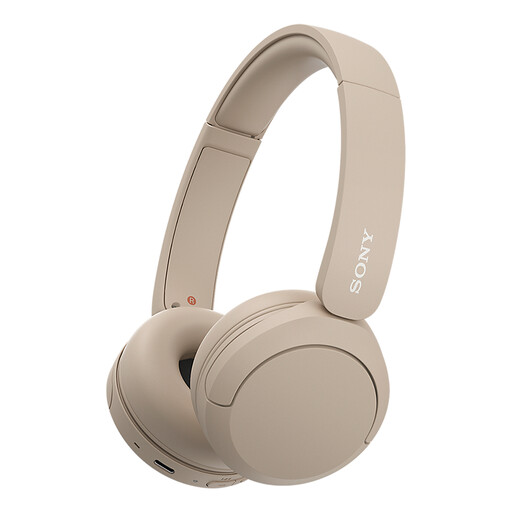
Why it suits this profile: These lightweight on-ear headphones are made for everyday listening, calls and work, without extra features that not everyone needs.
The product information lists an adjustable headband, soft ear cushions and multipoint connectivity. Be sure to check the battery-life claim, as the description and technical table differ.
147 grams, a microphone, Bluetooth and connection to two devices, according to the product specifications.

Why it suits this profile: For anyone looking to combine over-ear comfort, active noise cancellation and wired connection options with wireless use.
As well as Bluetooth, this model offers USB-C and 3.5mm audio connections. This means you can keep listening when the battery runs out, depending on your audio source and connection.
Bluetooth 5.4, multipoint connectivity, a microphone and a quoted battery life of up to 30 hours with noise cancellation.
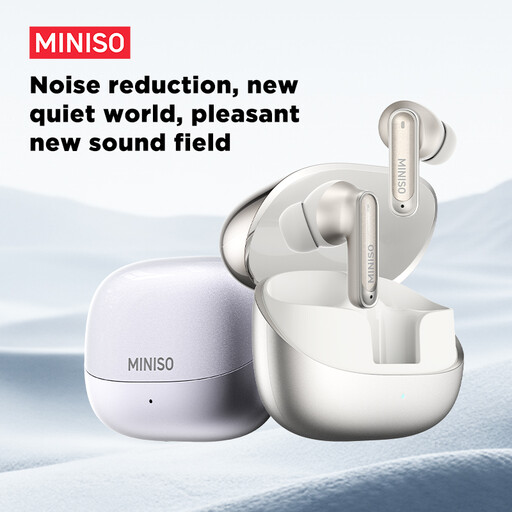
Why it suits this profile: According to the product information, these wireless earbuds are designed for commuting, exercise and calls.
The stated IP55 protection is clearer than a vague claim of water resistance. This product isn’t designed for swimming or submersion.
The product information states up to 55 hours of total battery life, fast charging and six microphones for calls.
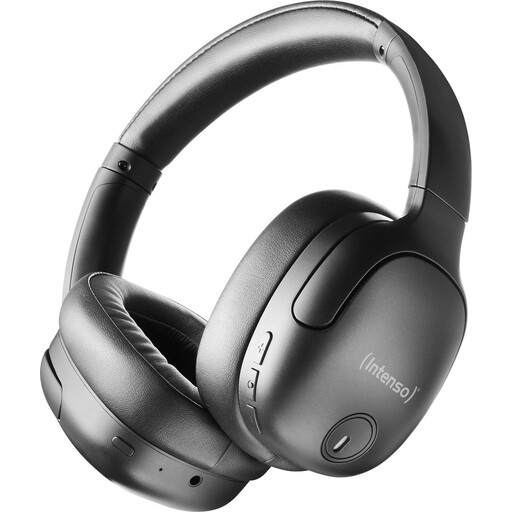
Why it suits this profile: Over-ear headphones with ANC, transparency mode and a wired option for long listening sessions.
According to the product information, you can keep listening via the 3.5mm connection when the battery is flat. This model has no IP rating, so it isn’t designed for wet conditions.
Bluetooth 5.3, a quoted battery life of up to 75 hours, hybrid ANC and a weight of 248 grams.
We’ve put together a complete, up-to-date list of products that meet these strict selection criteria and comply with the applicable European safety regulations.
Turn on Bluetooth on your phone, put the headphones into pairing mode and select the product name from the list of devices. Fast Pair or Swift Pair can help with some models. If the connection doesn’t work, remove any old pairing and try again. Also check that the battery is sufficiently charged.
Battery life per charge varies by model and settings. Battery capacity generally decreases after many charging cycles. Store your headphones somewhere dry, avoid extreme temperatures and use a suitable USB-C charger. A model with a wired connection may remain useful for longer if its wireless battery starts to lose capacity.
Headphones use relatively little electricity while charging. The cost depends on the battery capacity, how often you charge them and your local electricity tariff. A Bluetooth speaker or soundbar generally uses more power, particularly when it’s playing for a long time while plugged into the mains or at high volume.
