
Vandaag of morgen in huis

Kwaliteit gegarandeerd

Welkomstaanbiedingen ontgrendelen: GRATIS bezorging | Tot 80% korting | Gratis 30 dagen JoyPlus-proefperiode
Download de app
Choosing wireless headphones might seem straightforward: select Bluetooth, check the battery life and compare prices. In practice, models can vary considerably in comfort, noise isolation and suitability for sport or calls. A low price can be tempting, but the wrong type may become uncomfortable after a few weeks or prove unsuitable for your everyday needs.
This guide from the Joybuy Product Recommendation Officer will help you assess product specifications without taking marketing claims at face value.
Manufacturers sometimes state the maximum battery life without saying whether noise cancelling is switched on. For example, the Sony WH-CH720N offers up to 50 hours of use without active noise cancellation and up to 35 hours with noise cancelling. That difference matters if you use your headphones every day on the train or at the office.
So check:
An IP rating tells you the conditions a product is protected against. IPX4 is designed to withstand splashes and sweat, while IP55 indicates a degree of protection against dust and water jets. Neither rating makes a model suitable for swimming or submersion.
Over-ear headphones without an IP rating, such as the Sony WH-CH520 and Marshall Major V, are less suitable for rain or vigorous exercise. Always check the product description before buying a model for outdoor use.
Noise-cancelling headphones can electronically reduce background noise, but their effectiveness varies depending on the surroundings. Low, constant sounds such as train engines are generally different from voices or sudden noises. According to Sony’s own information, some models use multiple microphones and a processor to reduce ambient noise. Treat this as a product specification, not a promise of complete silence.
For cycling, walking in busy traffic and other situations where it’s important to hear what’s around you, open-ear headphones may be more practical. Don’t use headphones if they prevent you from hearing traffic or warning signals properly.
Bluetooth 5.0 or later is suitable for many smartphones and laptops, but also check for features such as multipoint. This lets you connect headphones to two devices, such as your laptop and phone. The Sony ULT WEAR, Sony WH-CH520, Sony WH-CH720N and Marshall Major V all list multipoint support.
When choosing headphones for calls, the number and position of the microphones, along with software-based noise reduction, are important considerations. These features can help make your voice clearer, but the call quality also depends on wind, traffic and the calling app you use.
Headphones with long battery life aren’t automatically the most comfortable choice. Compare their weight with their design, and check whether the headband or ear hook is adjustable. For earbuds, different sizes of ear tips can help you get a secure fit.
Also look out for conflicting specifications. For some products, the battery life in the technical table may differ from the description. If in doubt, check the current product page, the supplied manual and the warranty terms.
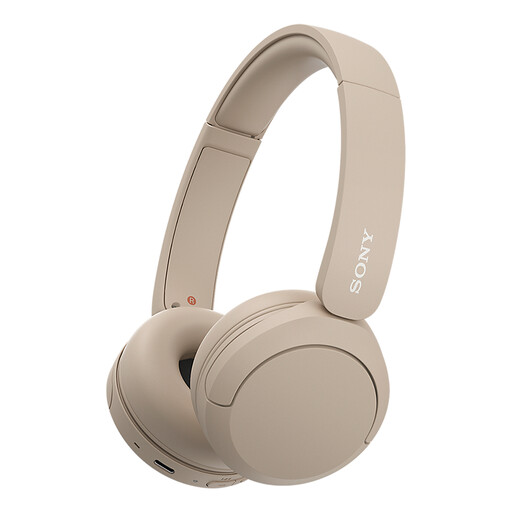
Why it suits this profile: Lightweight on-ear headphones for commuting, working from home and everyday listening, without having to carry a large over-ear model.
The product information lists a weight of 147 grams, multipoint and a microphone. The headphones aren’t water-resistant, so they’re not mistakenly presented as a sports model.
USB-C, Bluetooth, multipoint and up to 50 hours of battery life according to the product description. Check the current technical table for the exact figure.
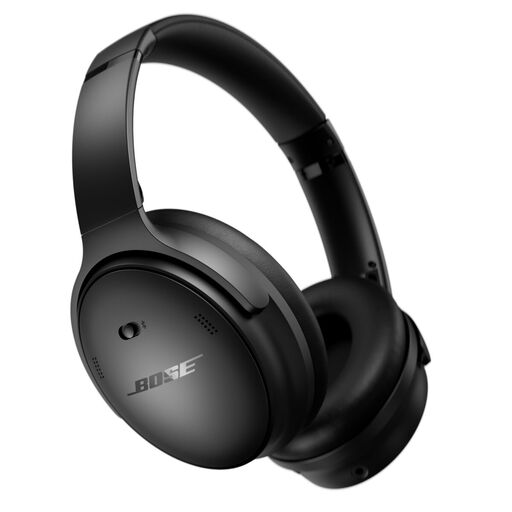
Why it suits this profile: Over-ear headphones for users who value comfort, active noise cancellation and a traditional Bluetooth connection.
The product listing states a battery life of up to 24 hours and a weight of 240 grams. This makes it easier to compare its run time realistically with other noise-cancelling models.
Over-ear design, active noise cancelling, Bluetooth 5.1, app controls and a 3.5mm connection for wired use.
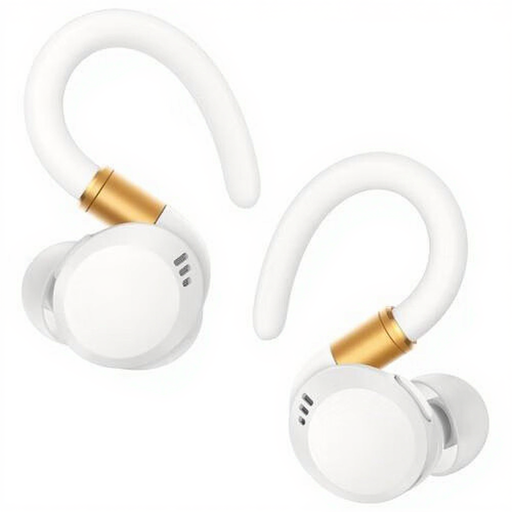
Why it suits this profile: Designed for sport, calls and everyday use, with an in-ear fit and a listed IP68 rating.
Water and sweat resistance is listed as IP68. Before using them in wet conditions, check the official limitations of this rating.
Bluetooth with AAC and SBC, control buttons, a charging case and up to 12 hours of continuous playback according to the product information.
We’ve put together a complete, up-to-date list of products that meet these strict selection criteria and the applicable European safety regulations.
Switch on Bluetooth on your smartphone, put the headphones into pairing mode and select the model name from the list of available devices. Some models pair more quickly using Fast Pair or a brand app. Remove an old pairing if the headphones don’t appear.
That depends on charging cycles, use, storage and exposure to heat or moisture. A battery life of 10 to 50 hours per charge tells you nothing about the battery’s total lifespan. Store your headphones somewhere dry, use a suitable USB-C charger and charge them according to the manual.
It depends on your surroundings. Active noise cancellation can be useful on train journeys, flights and in a busy office. For use at home or during exercise, standard Bluetooth headphones or an open-ear model may be enough. Always compare battery life, fit, microphones and water resistance as well as price.
