
Vandaag of morgen in huis

Kwaliteit gegarandeerd

Welkomstaanbiedingen ontgrendelen: GRATIS bezorging | Tot 80% korting | Gratis 30 dagen JoyPlus-proefperiode
Download de app
Wireless headphones may seem easy to choose at first. However, marketing claims about battery life, noise cancelling and sound quality can often lead to disappointment. For example, a model may boast an impressive number of hours of playback, but only with active noise cancelling switched off and at a moderate volume.
The type of fit is often underestimated, too. In-ear headphones can stay securely in place during exercise, but not everyone finds earbuds comfortable. On-ear headphones are usually compact, while over-ear headphones provide more physical coverage around the ears. The right choice therefore depends mainly on how you’ll use them, how they fit and whether their specifications can be verified.
“Up to” 50, 76 or even 100 hours doesn’t mean every user will get the same result. Actual playback time depends on volume, codec, microphone use, active noise cancelling and whether you’re using the charging case. So check:
Headphones with long battery life are most useful when the testing method is clearly stated.
Noise-cancelling headphones use microphones and electronics to reduce background noise. Passive isolation, on the other hand, comes from the ear cushions or a good seal. Neither can remove every sound. Also look out for the difference between ANC for what you hear and microphone noise reduction for phone calls.
According to product information from various brands, figures such as “-50 dB” or percentages for noise blocking can vary depending on the testing method and surroundings. Treat these figures as manufacturer specifications, rather than a guarantee of performance in every situation.
An IP rating indicates a set level of protection. IPX5, for example, means protection against water jets under the relevant test conditions, but it doesn’t automatically mean the product is suitable for swimming or prolonged submersion. Always check what the first and second parts of the code mean.
Sports headphones with an appropriate rating may be a better choice for use in the rain or when you’re sweating. An over-ear model without water resistance is more suited to home, the office or travelling.
A higher Bluetooth version number doesn’t automatically mean better sound quality. Also check the supported audio codecs, range and whether multipoint is available. With multipoint, some models can connect to two devices at once, such as a laptop and a smartphone.
If you make a lot of calls or work from home, a wireless headset with a microphone can be useful. Check the number of microphones and how voice or background noise reduction is described. This tells you more about call performance than simply knowing that a microphone is included.
Compare the following details:
A higher battery capacity can be useful, but it doesn’t automatically make a product more comfortable or better suited to travel.
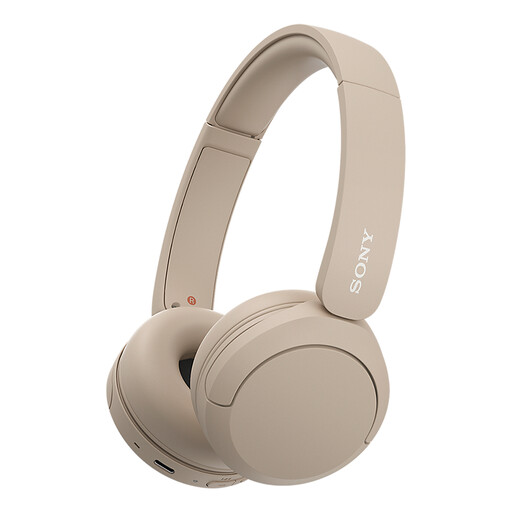
Why it suits this type of user: These lightweight on-ear headphones are ideal for everyday listening, podcasts and calls, without the need to carry a large over-ear model. The adjustable headband and soft ear cushions help you find a comfortable fit.
The product information lists a microphone, multipoint and Bluetooth connectivity. When buying, check the latest battery information, as different specification tables don’t always show the same playback time.
On-ear design, multipoint connection, USB-C and a stated weight of 147 grams.
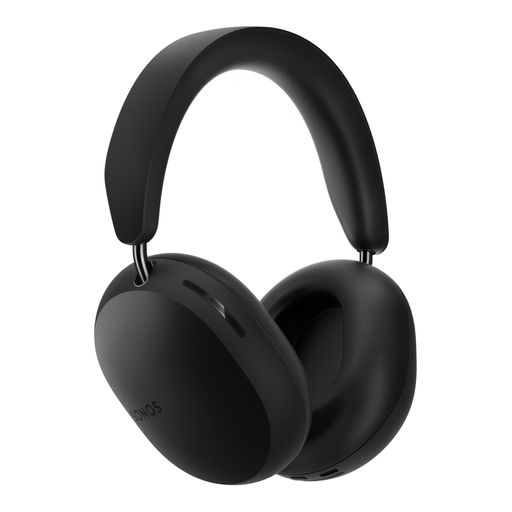
Why it suits this type of user: According to the product information, these over-ear headphones are designed for active noise cancelling, spatial audio and comfortable listening for long periods, at home or on the go.
The specifications list both ANC and an Aware mode. This lets you adjust how much background noise you hear, rather than relying solely on a physical seal.
Bluetooth 5.4, multipoint, USB-C audio, microphones and up to 30 hours of battery life according to the product information.
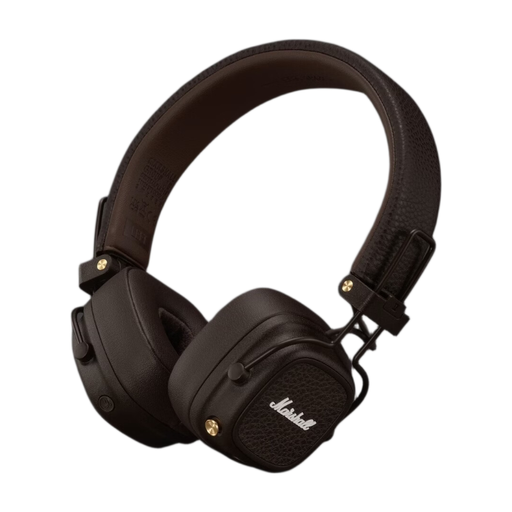
Why it suits this type of user: The stated battery capacity is worth considering if you take long journeys, commute every day or listen frequently. The model folds up and can also be used with a 3.5mm cable.
The product information explains the conditions for fast charging and wired listening. Bear in mind, though, that this model isn’t described as water-resistant.
Bluetooth 5.3, multipoint, wireless charging and more than 100 hours of playback according to the manufacturer.
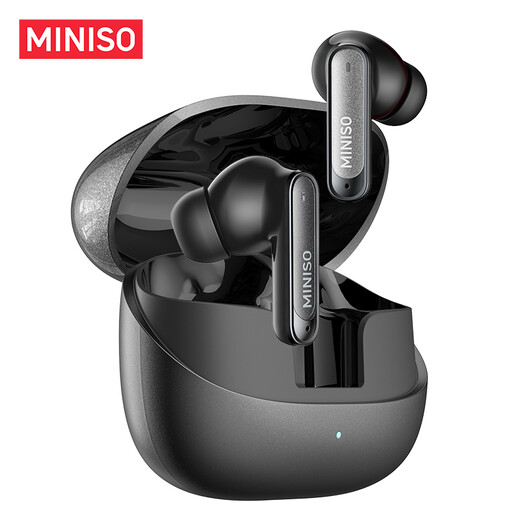
Why it suits this type of user: These true wireless earbuds are compact and lightweight. According to the product description, they’re designed for the office, studying, commuting and sport.
The stated IPX5 rating is suitable for sweat and rain, but not for swimming. Also check that the charging port is dry before charging.
10mm driver, six microphones according to the product information, touch controls and up to 55 hours including the charging case according to the manufacturer.
We’ve put together a complete, up-to-date list of products that meet these strict selection criteria and the applicable European safety requirements.
First, charge the headphones, switch on Bluetooth on your phone and put the product into pairing mode. Then select the model name from the Bluetooth list. On some models, Google Fast Pair, Microsoft Swift Pair or a brand app can help with setup.
Their lifespan depends on the battery, how often they’re charged, heat, moisture and wear and tear. Store the product somewhere dry, avoid prolonged exposure to high temperatures and use a suitable USB-C charger. A battery loses capacity over time; a high stated playback time doesn’t change that.
Power consumption is generally low during use. Volume, active noise cancelling and charging the case have the biggest impact. Fast charging is handy, but only use a suitable cable and charging environment as described in the manual. Also, listen at a safe volume and take regular breaks.
