
Vandaag of morgen in huis

Kwaliteit gegarandeerd

Welkomstaanbiedingen ontgrendelen: GRATIS bezorging | Tot 80% korting | Gratis 30 dagen JoyPlus-proefperiode
Download de app
At first glance, choosing wireless headphones seems straightforward: pick a brand, compare the price and check the battery life. In practice, the biggest differences often come down to comfort, water resistance, microphones and how specifications are measured.
If you focus only on marketing claims, you could end up paying for features that don’t suit your everyday needs. Use these practical checks to compare Bluetooth headphones based on verifiable features.
Manufacturers usually state the maximum playback time under specific conditions. Noise cancelling, high volume, phone calls and an unstable Bluetooth connection can all affect battery life.
Also look for differences within the same product listing. The Sony WH-CH520 is listed with up to 50 hours of battery life in the product description, while the specifications table states 40 hours. So check the current product specifications and see whether the stated time applies to listening to music, making calls or both.
Headphones with noise cancelling use microphones and electronics to reduce background noise. The results also depend on the ear cushions and how well they fit around your ears. On-ear headphones let in more background noise than well-fitting over-ear headphones.
A transparency mode can be useful on public transport or in the office. Also check whether you can adjust the noise cancellation and whether using the feature affects battery life.
If a product has no clear IP rating, don’t assume it’s waterproof. According to the product information provided, the Sony WH-CH520, Marshall Major V and Intenso O400HA aren’t designed for wet conditions.
The Mojawa RunPlus is listed as IP68 and swimming is included as a suggested use. Always check the manual for exact limitations, such as exposure to salt water or chlorine, charging after use and the permitted depth. An IP rating doesn’t mean you can expose a device to water in all circumstances.
As well as the weight, check whether the headband is adjustable, how thick the ear cushions are and whether the model folds up.
Bluetooth 5.2, 5.3 or 5.4 doesn’t, on its own, tell you how good a pair of headphones sounds. What matters more is whether they’re compatible with your phone, laptop, tablet or television. Multipoint lets you keep two devices connected at once, such as a laptop and smartphone.
For calls, the microphones are just as important as the speakers. According to manufacturers, products with multiple microphones or beamforming are designed to pick up speech more clearly, but call quality can vary depending on your surroundings.
Compare battery life with ANC on and off. For example, the Sony WH-CH720N is listed with up to 35 hours with noise cancelling switched on and up to 50 hours with it switched off. Fast charging is useful if you’re often on the go.
A 3.5mm socket can be a handy backup if the battery runs out. This applies, for example, to the Intenso O400HA, Bose QuietComfort Ultra and Sennheiser MOMENTUM 4. Check whether the cable is included and whether you can make calls using it.
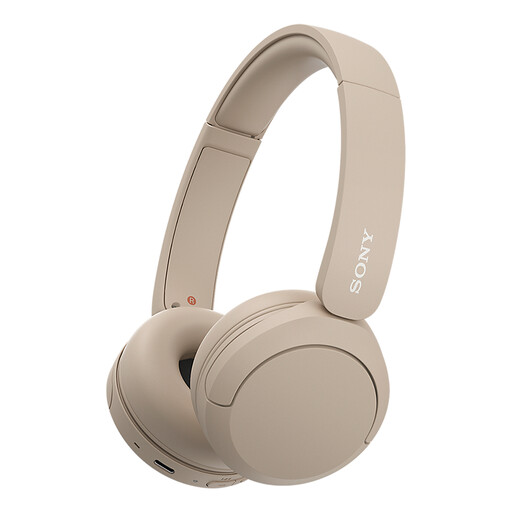
Why it suits this profile: Lightweight on-ear headphones for music, podcasts and phone calls, without complicated features.
The product information lists Bluetooth, a microphone and multipoint. It also clearly states that the model isn’t water-resistant.
147 grams, an adjustable headband, USB-C and connection to two devices, according to the product specifications.
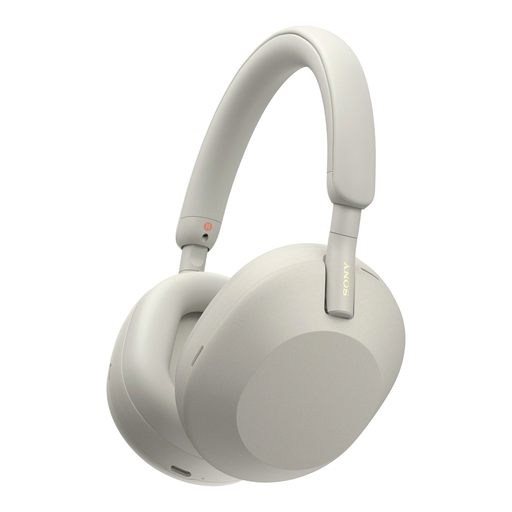
Why it suits this profile: Over-ear headphones for travelling, working and focused listening, with active noise cancellation.
The stated battery life is given separately for use with and without noise cancelling: up to 30 hours compared with 40 hours.
Bluetooth 5.2, multipoint, app control and a stated weight of 250 grams.
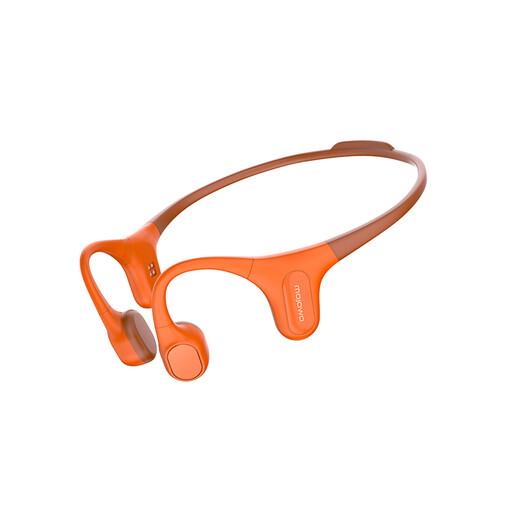
Why it suits this profile: Designed for running, cycling, fitness and swimming, when you want an open-ear design and a secure fit.
The product listing states IP68 and says the headphones can be used while swimming. Rinse them after contact with salt water and dry them fully before charging.
Bone conduction, 32 GB of built-in storage and an open-ear design, according to the product information.
We’ve put together a complete, up-to-date list of products that meet these strict selection criteria and the applicable European safety regulations.
Put the headphones into pairing mode, open the Bluetooth settings on your phone and select the model name. On some models, Fast Pair or Swift Pair can help with Android and Windows. If the connection doesn’t work, remove any old pairing and try again.
It varies by model and settings. According to the product listing, headphones with long battery life can last for dozens of hours, but noise cancelling, calls and volume all have an effect. Fast charging is useful if you often forget to charge them.
Yes, many models have a built-in microphone. If you make calls regularly, check the number of microphones, multipoint support and the stated noise filtering features. According to brand information, these features are designed to make speech clearer; actual call quality depends on wind, traffic and the phone you’re using.
