
Vandaag of morgen in huis

Kwaliteit gegarandeerd

Welkomstaanbiedingen ontgrendelen: GRATIS bezorging | Tot 80% korting | Gratis 30 dagen JoyPlus-proefperiode
Download de app
Wireless headphones may seem easy to choose, until you realise how much models can vary in comfort, battery life, connectivity and noise isolation. A low price can be tempting, but a poor fit or missing cable can make a purchase less convenient than you expected.
Look out for these common pitfalls:
Over-ear headphones completely cover your ears. This can be comfortable on long train journeys or when you need to concentrate on work, but this style is usually larger and can feel warmer around your ears. On-ear headphones rest on your ears and are often lighter and more compact. However, they may put more noticeable pressure on your ears during long periods of use.
Wireless earbuds are small and easy to carry around. For this type, check the fit, the ear tips supplied and the water-resistance rating. IPX5, for example, means protection against water jets according to the stated product rating, but it doesn’t mean you can swim in them.
Weight makes it easier to compare models. According to the product specifications, the Sony WH-CH520 weighs 147 grams, while the Intenso O400HA weighs 248 grams. You may notice the difference during long listening sessions.
Compare more than just the maximum number of hours: check the charging features and whether you can listen using a cable. The Intenso O400HA offers up to 75 hours of use and around 6 hours of extra playback from a 15-minute charge. The Sony WH-1000XM5 offers up to 30 hours with noise cancelling on and up to 40 hours with it off.
Headphones with long battery life are handy for travel, work and everyday use, but also check:
A cable connection is also useful on a plane, with a laptop or with devices that don’t have Bluetooth.
Bluetooth 5.2 or 5.3 can provide a stable connection, but range also depends on walls, sources of interference and the connected device. Multipoint is useful if you want to connect to a phone and laptop at the same time.
A built-in microphone is important for calls. If you’re looking for a gaming headset, also check the microphone position, connection and compatibility with PC, PlayStation, Xbox or Nintendo Switch. A wired headset with a 3.5mm connection is often compatible with a wide range of devices, but it won’t give you the same freedom of movement as Bluetooth headphones.
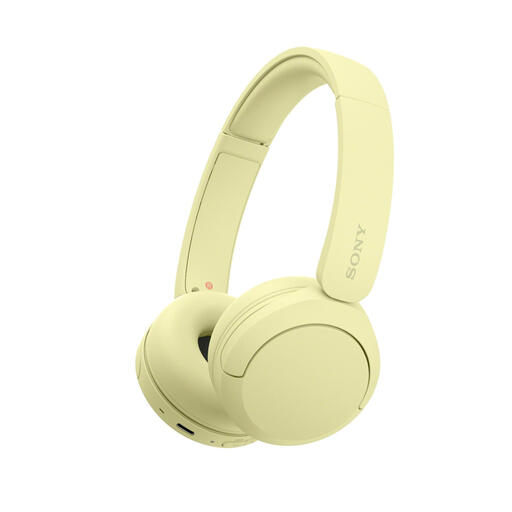
Why it suits this profile: This lightweight on-ear model is designed for everyday listening, calls and travel. Its adjustable headband and 147-gram weight make it practical for regular use.
Battery life, multipoint connectivity and the USB-C connection are clearly specified. Bear in mind, though, that this model doesn’t have active noise cancelling.
147 grams, Bluetooth, multipoint, built-in microphone and up to 50 hours of battery life according to the product information.
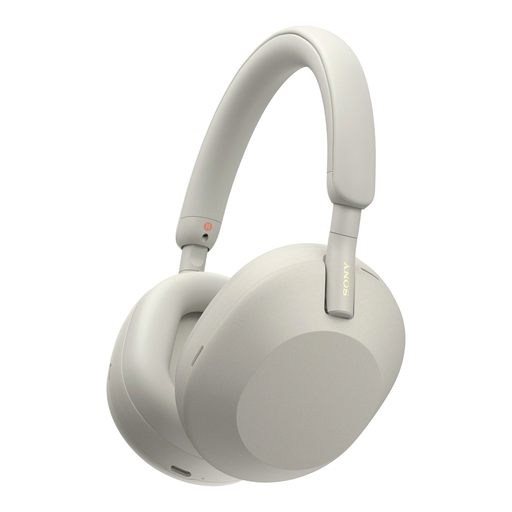
Why it suits this profile: These over-ear headphones are designed for listeners who value active noise cancelling, multipoint connectivity and app settings for music and calls.
The product information gives separate battery-life figures for ANC on and off. This helps you make a more realistic estimate of listening time for your commute or travels.
Active noise cancelling, Bluetooth 5.2, multipoint and up to 30 hours of battery life with ANC, according to the product specifications.
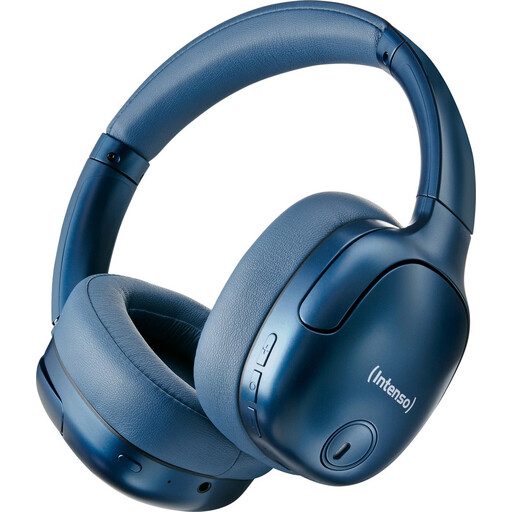
Why it suits this profile: This model combines hybrid ANC, transparency mode, Bluetooth and a 3.5mm connection. That makes it suitable for travel, work and long listening sessions.
As well as wireless use, it offers a wired backup. Battery life and charging time are listed separately, so you can decide in advance whether it suits your travel routine.
Bluetooth 5.3, hybrid ANC, transparency mode, 3.5mm jack and up to 75 hours of battery life according to the product information.
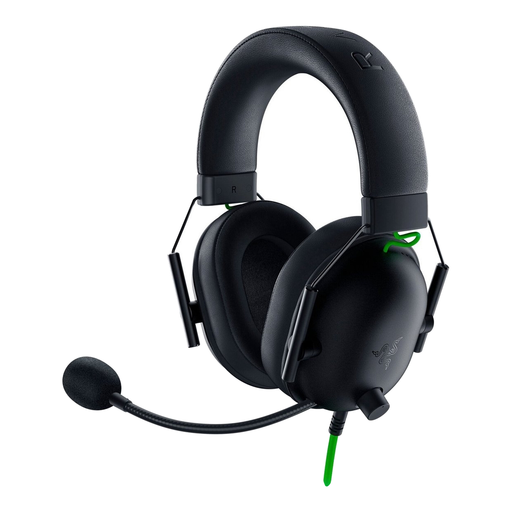
Why it suits this profile: This wired gaming headset uses a 3.5mm connection and is compatible with PC, Mac, PlayStation, Xbox, Nintendo Switch and mobile devices, according to the product information.
You don’t need to check battery life or wireless compatibility. The wired connection does, however, limit your freedom of movement away from your gaming setup.
50mm drivers, cardioid microphone, passive noise isolation and a stated weight of 240 grams.
We’ve put together a complete, up-to-date list of products that meet these strict selection criteria and the applicable European safety regulations.
First, charge the headphones and switch on Bluetooth on your smartphone. Put the headphones into pairing mode, then select the product name from the Bluetooth list. With multipoint models, you can then pair a second device. Check the manual if the headphones don’t appear or have previously been connected to another device.
Lifespan depends on the battery, hinges, ear cushions and how you use them. Keep the model dry, charge it with a suitable USB-C cable and avoid prolonged exposure to heat. Headphones with replaceable ear cushions can stay comfortable for longer. The statutory consumer guarantee in the EU is separate from any stated battery life.
Not necessarily. Active noise cancelling can reduce surrounding sounds, but you need to be able to hear traffic when cycling. Use transparency mode while out and about if it’s available, keep the volume low and follow the rules of the road. For cycling and walking, an open-ear model, such as ear-clip headphones, can help you stay more aware of surrounding sounds.
