
Vandaag of morgen in huis

Kwaliteit gegarandeerd

Welkomstaanbiedingen ontgrendelen: GRATIS bezorging | Tot 80% korting | Gratis 30 dagen JoyPlus-proefperiode
Download de app
Wireless headphones come in many forms, from compact wireless earbuds to open-ear headphones for running and Bluetooth headphones with large ear cushions. The right choice mainly depends on how you use them every day. Do you listen on the train, make lots of calls, exercise outdoors or want to hear music while swimming?
Marketing terms can sometimes make comparing products unnecessarily difficult. For example, a long battery life does not always indicate how long you can listen before the case needs recharging. And headphones with noise cancellation are not automatically suitable for cycling or running. So pay attention to the points below before you place your order.
A product with a water-resistant housing is not automatically suitable for swimming. IPX4 is designed to protect against sweat and light rain, while complete immersion requires a much higher level of protection. Also check whether the rating applies to both the earbuds and the charging case.
For example, according to the product specifications, the JBL Wave Flex 2 is rated IP54 for the earbuds and IPX2 for the case. This makes the type suitable for everyday use and light rain, but not for swimming. According to the product information, the Baseus Bowie MC1 is specifically described as not waterproof.
An open-ear headphone, ear-clip model or bone-conduction headphone allows ambient sound through. This can be practical when cycling, walking or running. However, you will also hear more traffic, wind and conversations, so your music will sound less isolated.
Active noise cancellation, often referred to as ANC, works differently. According to the product description, the Sanag S6S Nova supports certain noise-cancellation modes. Check the manual and available modes before buying, as performance can vary depending on your surroundings and settings. For outdoor exercise, transparency mode or an open design is often more sensible than maximum isolation.
Battery life is usually measured under specific conditions, such as at a particular volume with extra features switched off. So look at two figures:
According to the stated product specifications, the JBL Tune 730BT offers up to 76 hours of playback and a fast-charging function. The Apple AirPods 4 are listed with a total battery life of more than 30 hours with the case. These are different methods of measurement, so they are not directly comparable on a like-for-like basis.
Over-ear headphones surround your ears and can be comfortable for commuting, working from home or gaming. On the other hand, they can feel warmer and heavier. According to the product information, the Apple AirPods Max weighs 384.4 grams and has a closed-back over-ear design.
Earbuds are more compact, but fit can vary considerably from one ear to another. An ear-clip or sports headphone stays around or on your ear without being inserted deeply into the ear canal. This can be useful when you are on the move. Check whether the manufacturer provides information about weight, ear hooks, multiple ear-tip sizes or an adjustable fit.
Almost all wireless models work via Bluetooth, but the version and features can vary. A range of around 10 metres in an open environment is common for many models. Walls, busy wireless environments and carrying your phone in a bag can affect the range.
If you switch between a laptop and smartphone, multipoint can be useful. This allows headphones to remain connected to multiple devices. According to the product specifications, the JBL Tune 730BT can connect to two Bluetooth devices. However, check that your phone, laptop and operating system are fully compatible.
Headphones with a microphone are useful for phone calls, online meetings and gaming. Look at the number and positioning of the microphones, as well as whether wind or ambient-noise reduction is included. According to the brand’s product description, these features improve speech clarity, but the overall call experience also depends on your surroundings and connection.
For swimming, a high IP rating is not the only relevant factor. According to the product information, the Mojawa Run Plus is listed with IP68, 32 GB of built-in storage and an MP3 player. This means you can specifically consider using this model without a smartphone. After swimming, the safety information says you should rinse the device with clean water, allow it to dry completely and only then charge it.
When using magnetic charging cables, use the supplied cable and keep it away from metal objects. Do not charge wet headphones.
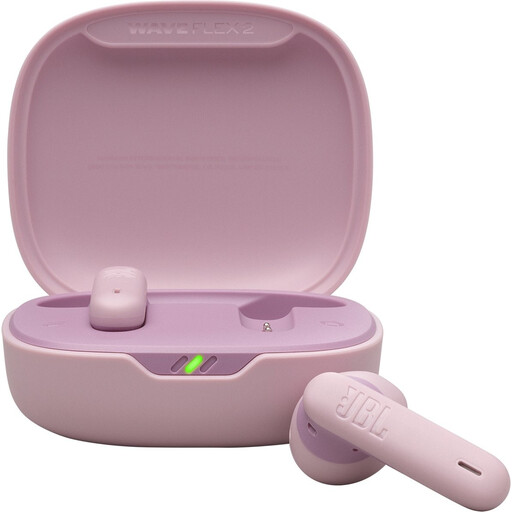
Why it suits this profile: A compact choice for everyday listening, calls and commuting. The earbuds work with the JBL Headphones app and offer Smart Ambient features.
The earbuds’ IP54 rating makes it clear that this model is not designed for immersion. This helps prevent you from using an everyday model as swimming headphones.
According to the product specifications: up to 8 hours of playback per charge, 40 hours with the case, four microphones and Bluetooth 5.2.

Why it suits this profile: Designed for users looking for an over-ear design, comprehensive controls and active noise cancellation for home, the office or travel.
The product information clearly states that this model is not water-resistant. Do not use it in the rain, when swimming or during strenuous outdoor exercise.
According to the stated specifications: active noise cancellation, transparency mode, support for lossless audio via USB-C and up to 20 hours of battery life.
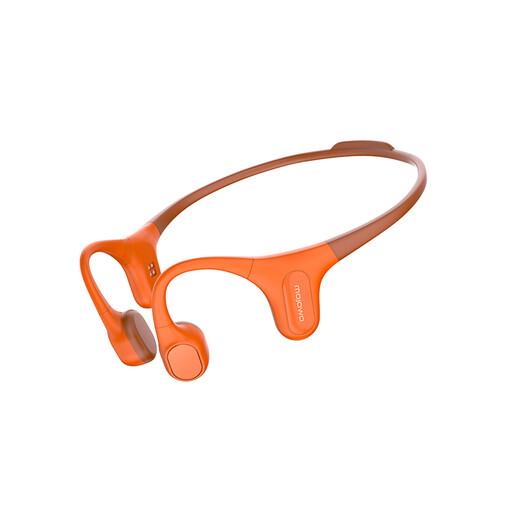
Why it suits this profile: An open-ear sports model for users who run, cycle, go to the gym or are looking for headphones for swimming.
The stated IP68 rating and built-in MP3 storage make it better suited to swimming than models that only withstand splashes. Always check the manual before use.
According to the product listing: 32 GB of built-in storage, Bluetooth connectivity, an open design and suitability for swimming, cycling and running.
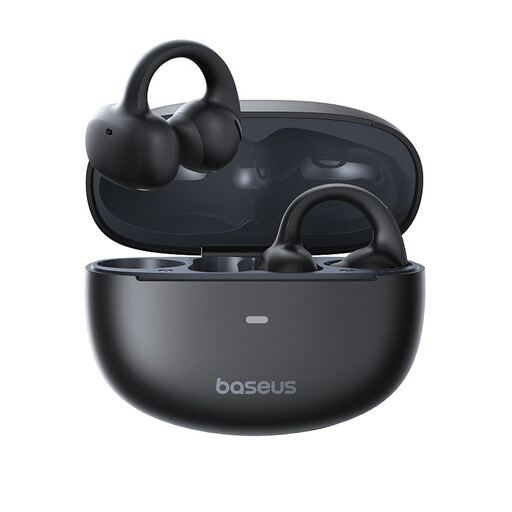
Why it suits this profile: An ear-clip model for anyone who wants to remain aware of ambient sound and does not want an in-ear fit for everyday use.
The product information explicitly states that this model is not waterproof. This helps prevent you from buying it for swimming or use in heavy rain.
Bluetooth 5.4, a stated range of 10 metres in an open environment and a USB-C connection for the case.
We have put together a complete, up-to-date list of products that fully meet these strict selection criteria and the applicable European safety regulations.
Switch on Bluetooth on your smartphone, open the charging case or turn on the headphones, then select the product name from the Bluetooth list. With some models, such as the Sanag S6S Nova, pairing appears automatically as soon as you take the earbuds out of the case. If the connection does not work, charge both devices and remove an old Bluetooth pairing.
The usage time per charge varies from a few hours for earbuds to dozens of hours for an over-ear model. The device’s overall lifespan also depends on charging cycles, storage and exposure to moisture or heat. Keep earbuds in their case, charge them with a suitable cable and do not use a water-resistant model outside the conditions specified.
An open-ear headphone, bone-conduction headphone or model with ambient mode may be suitable if you want to remain aware of traffic and other sounds. Choose a secure fit and check the IP rating when using headphones in the rain or when sweating heavily. Do not use a model while cycling if the controls or sound distract you from the traffic. Also avoid listening at a high volume for extended periods.
