
Vandaag of morgen in huis

Kwaliteit gegarandeerd

Welkomstaanbiedingen ontgrendelen: GRATIS bezorging | Tot 80% korting | Gratis 30 dagen JoyPlus-proefperiode
Download de app
Wireless headphones make travelling, working from home and listening every day easier. However, it is not wise to rely solely on terms such as “AI”, “Hi-Res” or “noise cancelling”. The differences between models often lie in details you only notice after using them for several weeks.
When comparing models, pay particular attention to these three common pitfalls:
Over-ear headphones completely surround the ear. This can provide a more peaceful listening experience and greater physical sound isolation. This type is particularly useful for long train journeys, working at a desk and watching films. However, check the weight, how adjustable the headband is and the material used for the ear cushions.
On-ear headphones rest on the ear. These models are often more compact and lighter, but may feel uncomfortable after prolonged use. According to the product specification, the Sony WH-CH520 weighs 147 grams and has an adjustable headband.
Wireless earbuds take up very little space and are convenient for short listening sessions, making calls and exercising. For sports use, check not only the fit but also the IP rating. IP55 or IPX5 does not mean that a product is suitable for submersion or swimming.
Noise-cancelling headphones, also known as ANC headphones, use microphones and electronics to reduce background noise. Manufacturers sometimes state a figure in decibels. According to the product description, Baseus claims that the EH10 NC offers adjustable hybrid ANC of up to -45 dB. This is a brand specification and does not guarantee that every sound will be reduced to the same extent.
Also consider:
For cycling and running, an open design or transparency mode may be more practical, as it allows you to remain more aware of traffic and your surroundings. Do not use closed-back headphones in a way that compromises your safety in traffic.
Headphones with long battery life are particularly useful for travelling and daily commuting. Always compare like-for-like measurements. “Up to 80 hours”, for example, may apply with ANC switched off. For the Baseus EH10 NC, the product information states up to 80 hours without ANC and 55 hours with ANC. The same information states that 10 minutes of fast charging provides 10 hours of playback.
The Bluetooth codec and compatibility are relevant to sound quality. SBC and AAC are widely supported. According to the product specification, LDAC can transfer more audio data, but your playback device and settings must support it too. A Hi-Res Audio headphone is therefore not automatically the right choice for every smartphone or streaming service.
Also check the Bluetooth version, connection range and multipoint support. Multipoint is useful if you want to connect to a laptop and smartphone at the same time. For headphones with a microphone, the number of microphones, noise filtering and their positioning matter more than simply seeing the words “AI call”.
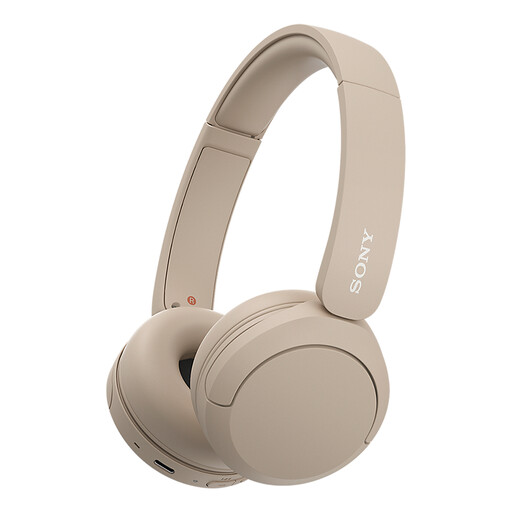
Why it suits this profile: These lightweight on-ear Bluetooth headphones are designed for everyday listening, online lessons and phone calls without complicated settings.
The product specification clearly states the connection type, microphone and multipoint function. Bear in mind that this model is not water-resistant and does not have ANC.
147 grams according to the product specification, USB-C, multipoint and up to 50 hours of battery life according to the product description.
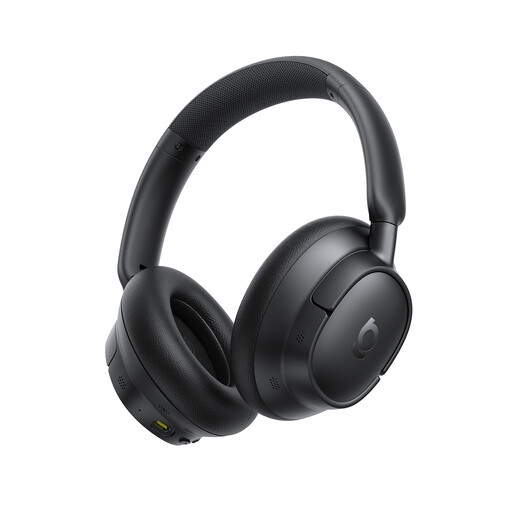
Why it suits this profile: Over-ear headphones with ANC, LDAC and an advanced microphone array are well suited to travellers, home workers and film lovers.
The battery figures distinguish between ANC being switched on and off. According to Baseus’s own information, the hybrid ANC function reduces background noise by up to the stated value of -45 dB; real-world performance depends on the fit and surroundings.
According to the product specification: Bluetooth 6.0, LDAC, Hi-Res Audio, five microphones and up to 80 hours without ANC.

Why it suits this profile: These wireless earbuds are designed for users looking for a compact design, ANC, water and dust resistance, and integration with Galaxy devices.
The IP57 rating is clearly stated, but according to the product information, this does not mean that the earbuds are suitable for swimming. The stated playback time with ANC is lower than without ANC.
According to the product specification: Bluetooth 6.1, six microphones, 2-way speakers, USB-C, wireless charging and 6 to 7 hours of playback per earbud.
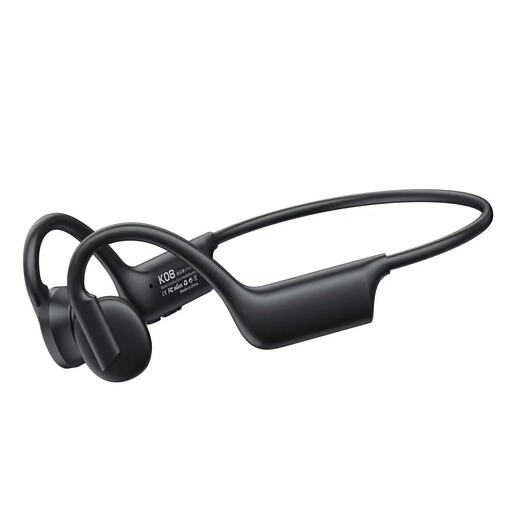
Why it suits this profile: The open design with ear hooks is intended for running, cycling and situations where you do not want to be completely cut off from your surroundings.
The bone-conduction design prevents the ear canal from being blocked. However, check the fit and do not use the product at high volume for prolonged periods.
According to the product information: Bluetooth, multipoint, a range of 10 metres or more and a stated maximum battery life of 8 hours.
We have compiled a complete, up-to-date list of products that fully meet these strict selection criteria and the applicable European safety regulations.
Switch on the headphones and activate Bluetooth in your computer’s settings. Select the model from the list of available devices. Then check the sound settings to make sure the headphones are selected as the output device and, if necessary, as the microphone. For a stable connection, it helps to temporarily disconnect any unused Bluetooth devices.
Battery capacity, charging habits, volume and ANC usage all affect battery life. A stated maximum is not a fixed daily runtime. The lifespan of the built-in lithium battery generally decreases after many charging cycles. Keep the product dry, avoid extreme temperatures and use the supplied or a suitable USB-C charger.
No. The right choice depends on how you use them. For calls and laptop use, multipoint may be more important than LDAC. ANC can be useful when travelling, while sports headphones need a secure fit and a suitable IP rating. Compare the specific features with your own needs rather than focusing solely on the price or marketing terms.
