
Vandaag of morgen in huis

Kwaliteit gegarandeerd

Welkomstaanbiedingen ontgrendelen: GRATIS bezorging | Tot 80% korting | Gratis 30 dagen JoyPlus-proefperiode
Download de app
Wireless headphones can be useful for listening to music, making calls, travelling, gaming, working in the office and exercising. But a long list of features doesn’t automatically mean a model will suit your everyday needs. For example, Bluetooth headphones with active noise cancellation can be useful on the train, but less suitable when you need to hear traffic or colleagues.
So pay particular attention to the fit, battery life, water resistance and how sound-related claims are backed up. Below, you’ll find the key things to consider, along with some popular choices for different situations.
A manufacturer might quote a long total playback time, for example, but this may apply with noise cancelling switched off, at a particular volume level or with the charging case included. So always check:
Long battery life is especially useful if you travel often or don’t want to charge your headphones every day. For home use, a shorter playback time may be enough.
Active noise cancellation, also known as ANC, uses microphones and electronics to reduce certain sounds around you. How well it works varies by model and type of sound. Constant low-frequency sounds, such as train noise, are generally handled differently from voices or sudden noises.
ENC for calls is also not the same as ANC for listening. According to the brand’s product description, ENC is designed to reduce background noise around the microphone. Treat this as a manufacturer’s product claim, not a guarantee that it will work in every situation.
In-ear headphones often create a closer seal, but not everyone finds earbuds comfortable. Over-ear headphones cover the whole ear and can be suitable for long listening sessions, but they’re usually larger and warmer to wear. On-ear headphones rest on the ear and are often more compact.
Open-ear headphones or earclips leave the ear mostly uncovered. This can be useful in the office or while out walking if you want to remain aware of the sounds around you. On the other hand, external noise can more easily drown out your music.
Bluetooth 5.3 or Bluetooth 5.4 mainly tells you which connection standard is used. Your experience also depends on your smartphone, computer and software. Check whether your device is compatible with features such as:
Latency matters for gaming. A product description may mention a low-latency mode, but check that it works with your device and game.
Don’t compare figures in isolation: check the testing conditions first. For example, the Marshall Major V lists more than 100 hours of wireless playback and a fast-charging feature that can provide up to 15 hours of use from a 15-minute charge, according to its product specifications. The Bose QuietComfort Ultra lists up to 24 hours of battery life, while the Sonos Ace claims up to 30 hours of use.
With wireless earbuds, distinguish between battery life per charge and total battery life with the charging case. According to the product information, the Samsung Galaxy Buds4 Pro offer up to 6 hours with ANC switched on and up to 7 hours with ANC switched off, with extra capacity available from the case.
An IP rating consists of two digits. The first refers to solid particles and the second to water. Note the difference between splash resistance and submersion:
An IP rating doesn’t automatically make a product suitable for swimming, showering or prolonged exposure to rain. Dry the charging contacts before charging.
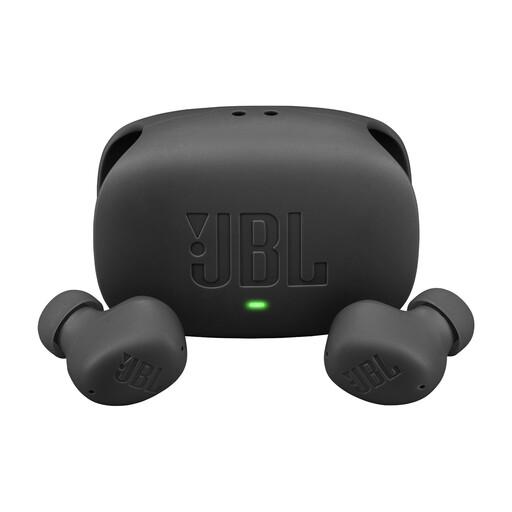
Why it suits this type of user: These wireless earbuds are suitable for everyday listening, calls and commuting. The product information lists ANC, Smart Ambient and up to 40 hours of total playback with ANC switched off.
The quoted battery life comes with the condition that ANC is switched off. This makes it easier to compare the claim with those for other models.
ANC, multipoint according to the product information, IP54-rated earbuds and USB-C fast charging.

Why it suits this type of user: According to the product description, this over-ear model focuses on comfort, Bluetooth 5.3, active noise cancellation and long listening sessions.
The product information lists both the ANC feature and a cable for use without battery power. However, check that the larger size suits when and where you plan to wear them.
Up to 24 hours of battery life, multipoint according to the specifications and an audio cable included.
Why it suits this type of user: According to the product description, the open-ear design is intended for office use, exercise, gaming and everyday listening when you want to remain aware of the sounds around you.
The earclip doesn’t completely cover the ear. This avoids the fit issues associated with in-ear models, although you’ll still be able to hear the sounds around you.
Up to 25 hours of battery life according to the product information, compatibility with Android, iOS and Windows, and an open-ear design.
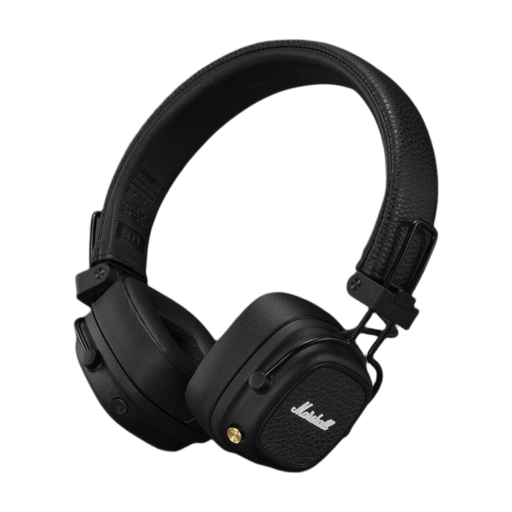
Why it suits this type of user: These foldable on-ear headphones are suited to people who are often on the move and value a very long quoted battery life, as well as the option to use them wired as a backup.
The quoted playback time and fast-charging time are listed separately. What’s more, according to the product information, you can use a 3.5mm cable when the battery is flat.
More than 100 hours of quoted wireless playback, Bluetooth 5.3, multipoint and a foldable design.
We’ve put together a complete, up-to-date list of products that meet these strict selection criteria and the applicable European safety regulations.
Switch on Bluetooth on your smartphone, put the headphones into pairing mode and select the product name from the list of available devices. With many wireless earbuds, this happens automatically when you open the charging case. Check the instructions if the model is already connected to another device.
Battery capacity decreases over time. Practical battery life depends on how often you charge the headphones, heat, volume and usage conditions. Use the supplied or a suitable USB-C charger, avoid extreme temperatures and don’t leave a lithium-ion battery completely flat for long periods.
That depends on the fit and water resistance. Check the IP rating and, when running or cycling, choose a mode that lets you hear traffic and other sounds around you. Don’t use noise cancelling in situations where being aware of your surroundings is important for your safety.
