
Vandaag of morgen in huis

Kwaliteit gegarandeerd

Welkomstaanbiedingen ontgrendelen: GRATIS bezorging | Tot 80% korting | Gratis 30 dagen JoyPlus-proefperiode
Download de app
Wireless headphones make it easy to listen to music, take calls and follow podcasts. However, Bluetooth headphones can vary considerably in comfort, battery life, moisture protection and sound settings. A low price doesn’t always reflect the total cost of ownership, while a long list of features doesn’t necessarily mean a model will suit your everyday needs.
Manufacturers often quote the maximum playback time. This figure may apply with active noise cancellation switched off, at a particular volume and under specific conditions. So always check:
Long battery life is particularly useful when travelling or during the working day, but a charging case can be more important for wireless earbuds.
A rating such as IP54, IPX4 or IP68 describes protection against certain conditions. It doesn’t automatically mean that a product is suitable for swimming or prolonged submersion.
So a model with an IP rating isn’t automatically a suitable choice if you’re looking for waterproof earbuds for swimming. Sweat, rain, chlorinated water and seawater can also have different effects.
Noise-cancelling headphones use microphones and electronics to reduce background noise. How well they work can vary depending on the surroundings. Low, constant sounds such as train or aeroplane noise are a different use case from voices in an office.
Fit matters too. Over-ear headphones physically cover your ears, while in-ear earbuds rely on the right fit. If you need to stay aware of traffic or colleagues, you may benefit from a transparency mode, open-ear headphones or bone conduction headphones.
Bluetooth 5.0, 5.2, 5.3 and 5.4 indicate the technology used, but your experience also depends on your phone, laptop and the codecs they support. For everyday use, a stable connection and easy reconnection matter more than the version number alone.
A multipoint connection can be useful if you want to stay connected to a laptop and smartphone at the same time. Also check whether your devices support the listed audio codecs, such as AAC, SBC or LDAC.
The Sony WH-CH720N over-ear headphones weigh 192 grams, according to the product information. That may feel comfortable during longer listening sessions, but how the headband and ear cushions feel is a personal matter.
With Bluetooth earbuds, the shape and included ear tips play a bigger role. Check whether several sizes of ear tips are included. For running or fitness, sports earbuds with a secure fit may stay in place better. Open-ear or bone conduction models leave your ears uncovered, but may offer a different listening experience from sealed in-ear earbuds.
Check the charging port, whether a charging case is included and how the headphones are controlled. Touch controls are convenient, but can respond accidentally when you adjust your earbuds. Clean your earbuds regularly with a soft, dry cloth and keep them in their case when you’re not using them.
Keep the volume at a safe level and avoid listening at high volume for long periods. Don’t use headphones while driving, cycling or in other situations where you need to be aware of traffic.
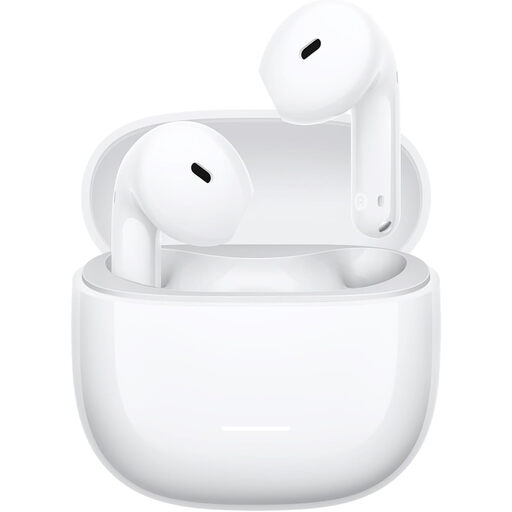
Why it suits this profile: The semi-in-ear design, low weight of around 3.8 grams per earbud and Bluetooth 5.4 make these a good fit for straightforward everyday use.
The specifications list the playback time per earbud as well as the total time with the charging case, so there’s no need to confuse the two figures.
Up to 7 hours per charge, up to 37 hours with the charging case, USB-C and IP54-rated earbuds.
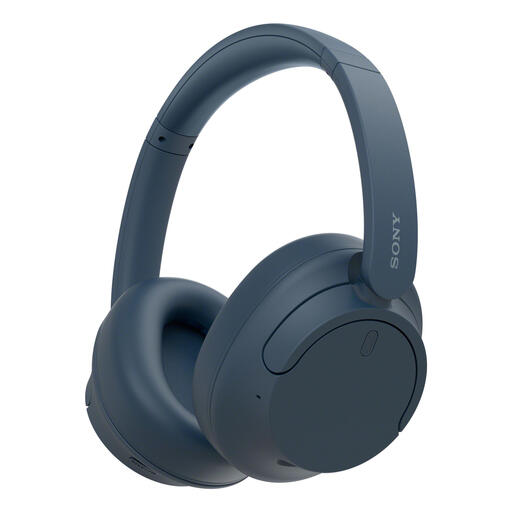
Why it suits this profile: These over-ear wireless headphones for music and calls offer app controls, multipoint connectivity and active noise cancellation for work, travel and relaxation.
The product information clearly distinguishes between battery life with and without noise cancellation: up to 35 hours with ANC and up to 50 hours without it.
Bluetooth, multipoint connectivity, app settings and fast charging. According to the product information, a 3-minute charge provides up to 1 hour of use.
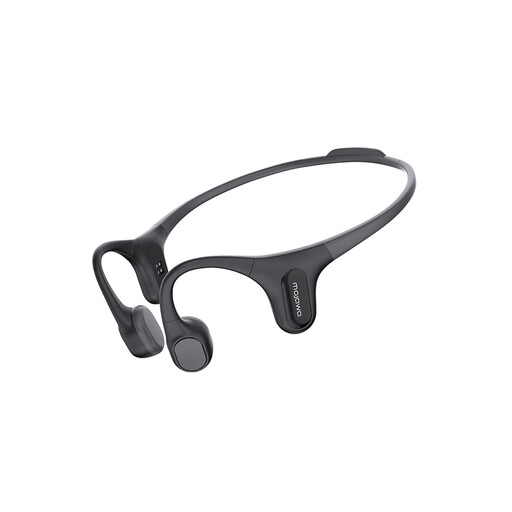
Why it suits this profile: The open-ear design, 32 GB of storage and stated IP68 rating are aimed at running, fitness and situations where a secure fit matters.
The open-ear design means you don’t have to rely on a sealed fit. However, check the official terms of use for swimming and exposure to moisture.
Open-ear bone conduction design, Bluetooth and built-in 32 GB MP3 storage, as stated in the product name.
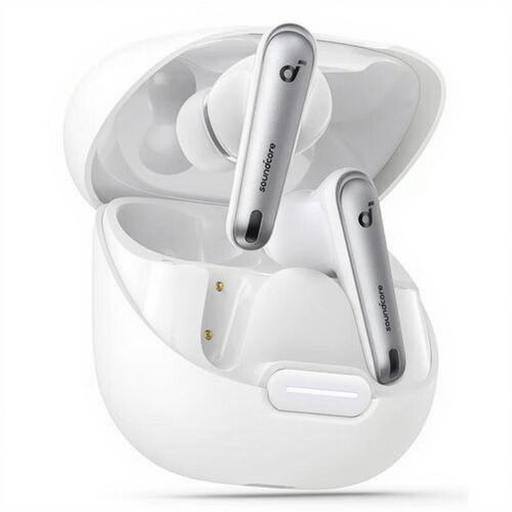
Why it suits this profile: These Bluetooth earbuds combine an in-ear fit, active noise cancellation, Bluetooth 5.3 and six microphones, according to the product specifications.
The IPX4 rating is described as splash-resistant, so you won’t be led to expect that these earbuds are suitable for submersion.
Up to 10 hours of playback per charge, USB-C, additional ear tips included and touch controls.
We’ve put together a complete, up-to-date list of products that meet these strict selection criteria and the applicable European safety regulations.
First, charge your headphones and switch on Bluetooth on your smartphone. Put the product into pairing mode and select its name from the Bluetooth list. With some models, you can then use an app to adjust the equaliser, noise cancellation or firmware settings. If you can’t connect, remove an old pairing and try again.
Lifespan depends on the battery, how often it’s charged, how it’s stored and whether it’s exposed to moisture or heat. A battery loses capacity over time. Store the product somewhere dry, use a suitable USB charger and don’t leave the battery completely flat for long periods. When buying, also check that the warranty and returns information is clearly stated.
Not always. Wireless earbuds are compact, but the charging case and small batteries can be additional wear points. Over-ear headphones may have a larger battery and a replaceable cable. So compare more than just the purchase price: consider battery life, charging options, fit, warranty and the conditions in which you plan to use the product.
