
Vandaag of morgen in huis

Kwaliteit gegarandeerd

Welkomstaanbiedingen ontgrendelen: GRATIS bezorging | Tot 80% korting | Gratis 30 dagen JoyPlus-proefperiode
Download de app
Wireless headphones are useful for commuting, working from home, travelling and listening to music every day. However, it can be difficult to compare offers properly. A low price may, for example, come with an average fit, while long battery life does not always mean that the headphones will be comfortable for calls or travel.
In this guide, you’ll find out which specifications matter, which marketing claims to consider carefully and what type of Bluetooth headphones suits your needs.
Manufacturers often state the maximum battery life. This figure may apply with active noise cancellation switched off, at a moderate volume or under specific testing conditions. Therefore, check whether battery life is also stated with noise cancelling switched on.
For example, the Sony WH-CH720N is advertised with up to 50 hours without noise cancellation and 35 hours with noise cancellation. The product specifications also state a figure of 40 hours. These differences show why you should check the full specifications table rather than relying solely on the promotional text.
Headphones with noise cancelling use microphones and electronics to reduce surrounding noise. The result depends on the fit, the type of sound and the mode selected. Low, constant sounds such as a train engine are generally a different use case from voices in an office.
According to Sony’s own information, the WH-CH720N’s noise cancellation can be adjusted in several steps through the Headphones Connect app. Bose and other brands likewise describe different modes, such as a Quiet mode and a Transparency mode. Treat such claims as information provided by the brand; the experience may vary from one user to another.
On-ear headphones rest on your ears and are usually compact and lightweight. This is practical when travelling, but surrounding sounds are often easier to hear. Over-ear headphones surround your ears and can provide more passive isolation, but they are larger and heavier.
As well as the weight, consider:
For everyday use, headphones with long battery life are convenient, but always compare like-for-like measurements. Check the following:
According to the product description, the Sony WH-CH520 is designed to provide up to 50 hours of use and offers around 1.5 hours of playback after three minutes of charging. However, the technical table states 40 hours. Therefore, check the latest product information before placing your order.
Bluetooth 5.0, 5.2, 5.3 or 5.4 does not only indicate the connection range. Compatibility with your phone, laptop and operating system is just as important. Multipoint Bluetooth headphones can be connected to two devices at the same time. This is useful when switching between a laptop and smartphone while working from home.
Also check the Bluetooth codecs. Many models in this selection support AAC and SBC. For features such as LDAC, aptX Lossless or spatial audio, you will often need a compatible device and suitable content.
If you make frequent calls, check whether there is a built-in microphone and how the controls work. Physical buttons are often easy to operate while walking, whereas touch controls can be sensitive to accidental contact.
Do not use noise cancelling in situations where you need to hear traffic or warning signals. Also keep the volume at a comfortable level. No headphones can prevent hearing damage if you listen at high volume for long periods.
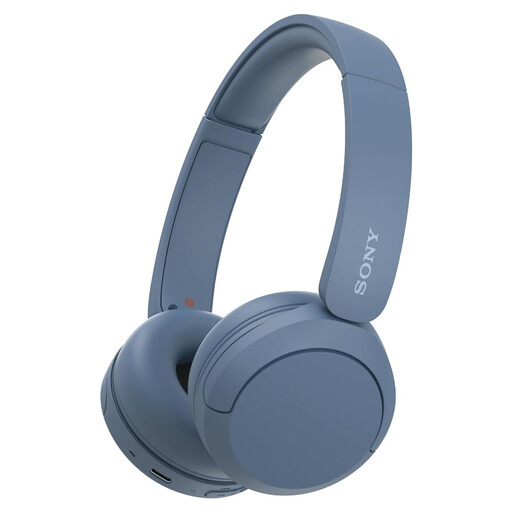
Why it suits this profile: Weighing 147 grams, these lightweight on-ear Sony headphones are suitable for music, podcasts and phone calls without having to carry a large over-ear model.
The product information mentions long battery life, USB-C and multipoint. However, check the differing 40- and 50-hour figures shown in the offer.
147 grams, Bluetooth, microphone, USB-C and connection to two devices according to the product specifications.
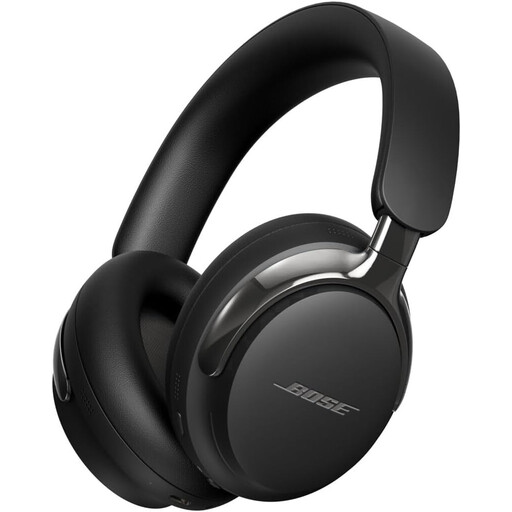
Why it suits this profile: This over-ear model is aimed at users who value active noise cancellation, spatial audio and both wireless and wired connectivity.
The headphones are not limited to Bluetooth: the detachable cable supports USB-C and 3.5 mm. According to the specifications, the battery takes 180 minutes to charge.
Bluetooth 5.4, active noise cancellation, Cinema Mode and a cable for wired use.
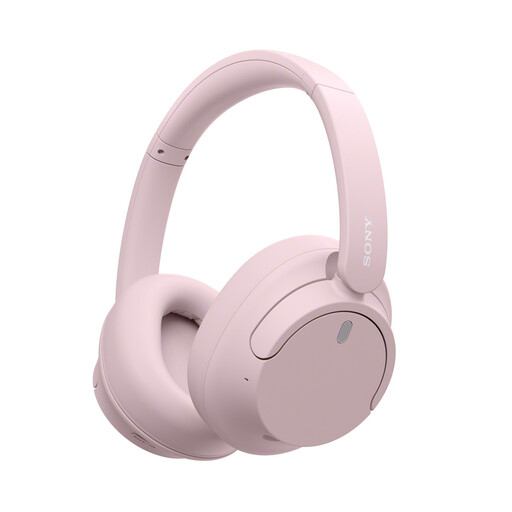
Why it suits this profile: This lightweight over-ear model combines multipoint with active noise cancellation, making it well suited to travelling, working and switching between a laptop and phone throughout the day.
The product specifications state battery life with noise cancelling separately: 35 hours. This makes it easier to compare battery life realistically.
192 grams, USB-C, microphones, app controls and multipoint according to the stated specifications.
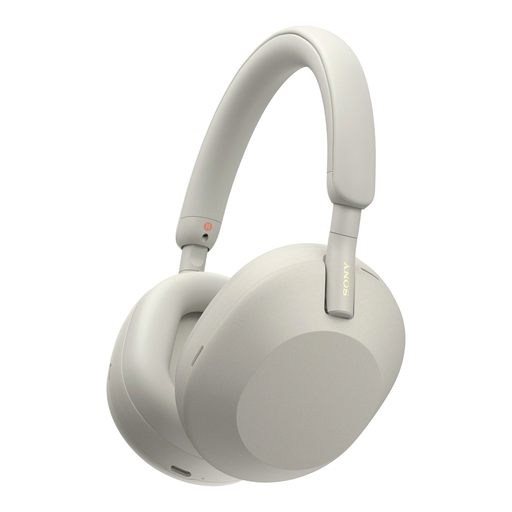
Why it suits this profile: The WH-1000XM5 is an over-ear wireless headphone with active noise cancellation, app controls and simultaneous pairing with two devices.
The stated battery life is broken down clearly: up to 30 hours with noise cancellation and up to 40 hours without it. A cable and carrying case are included.
Bluetooth 5.2, LDAC support according to the product information, fast charging and a weight of 250 grams.
We’ve put together a complete, up-to-date list of products that fully meet these strict selection criteria and the applicable European safety regulations.
Switch on the headphones and hold down the Bluetooth or power button for a few seconds. Then open the Bluetooth settings on your phone and select the product name. With models that support Fast Pair or Swift Pair, pairing may be suggested automatically. Remove an old pairing if the headphones do not appear.
Battery life per charge varies depending on the model and settings. The battery also deteriorates through charging cycles, heat and prolonged use when completely flat. Headphones with USB-C, a cable option and a clear warranty policy are practical if you use them frequently. In the European Union, consumers generally have a legal guarantee of conformity of at least two years, depending on the circumstances and national regulations.
That depends on your surroundings. Active noise cancellation can be useful on train journeys, aeroplanes or in a busy office. For quiet listening at home, ordinary Bluetooth headphones may be sufficient. In addition to ANC, compare the fit, battery life, microphone, app features and the option to listen using a cable.
