
Vandaag of morgen in huis

Kwaliteit gegarandeerd

Welkomstaanbiedingen ontgrendelen: GRATIS bezorging | Tot 80% korting | Gratis 30 dagen JoyPlus-proefperiode
Download de app
At first glance, choosing wireless headphones seems simple. But promises of deep bass, long battery life or noise cancelling can give you the wrong impression. A Bluetooth headset for train journeys has different requirements from wireless earbuds for running or a pair of headphones for long working days.
The most common bad buys come down to three pitfalls:
Over-ear headphones cover your whole ear. They generally offer more passive noise isolation and have room for larger earcups. The downside is their greater weight and the space they take up in a bag.
An on-ear model, such as the Marshall Major V, rests on your ears and is relatively compact at 186 grams. This can be handy for everyday commuting, but it won’t seal around your ears in the same way as an over-ear model.
In-ear earbuds sit in your ear canal and are small. Check which sizes of ear tips and stability wings are included. Open-ear earbuds, such as the Bose Ultra Open Earbuds, sit outside your ear canal. According to the product description, this allows you to remain aware of your surroundings. That can be useful when walking or cycling, but you’ll also hear more background noise on a busy train.
Look at the difference between:
According to its product specifications, the Marshall Major V offers more than 100 hours of wireless play time and up to 15 extra hours after 15 minutes of charging. The Bose Ultra Open Earbuds 2nd Gen are listed as offering up to 9 hours per charge and up to 28.5 hours with the charging case. These figures are measured differently, so they aren’t directly comparable.
Headphones with long battery life are especially practical if you travel often or don’t want to charge them every day. Also check whether you can use a wired connection when the battery runs out.
ANC headphones use microphones and electronics to reduce certain background sounds. The Bose QuietComfort range lists Quiet and Aware modes. Use a transparency or Aware mode when you need to hear traffic, announcements or colleagues.
If you make calls, wireless headphones with a microphone are important. Don’t just look at the number of microphones; check their position and the manufacturer’s description too. Claims such as ‘AI noise cancellation’ or ‘crystal-clear calls’ are marketing claims, not guaranteed results in every setting.
For water resistance:
An IP rating doesn’t always protect the charging case. Check the instructions too, and only connect a USB-C cable when the port is dry. According to its safety information, the Marshall Major V isn’t water-resistant.
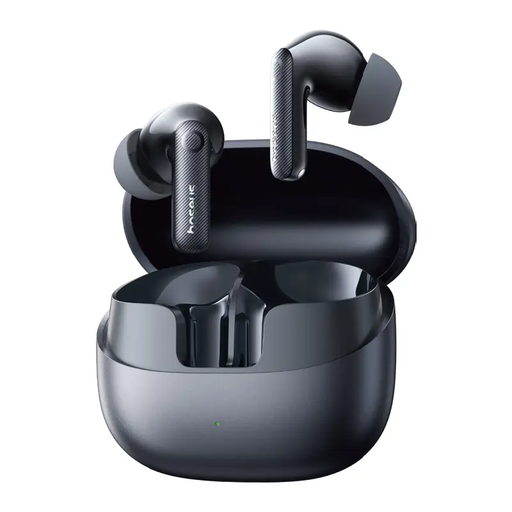
Why it suits this type of user: This model combines the comfort of an in-ear fit with ANC, Bluetooth 5.4 and a charging case. According to the product information, it offers around 11 hours of play time per charge and about 55 hours with the case.
The product details list battery life both per charge and with the charging case. The IP55 rating is designed to protect against water and sweat, but not swimming.
Bluetooth 5.4, USB-C, hybrid ANC and LDAC support, according to the product specifications.

Why it suits this type of user: The over-ear design, active noise cancellation, Bluetooth 5.4 and spatial audio make these a good fit for travellers, people working from home and music lovers who value features and comfort.
The specifications list both Bluetooth and a detachable cable with USB-C and jack connectors. That gives you an alternative when the battery runs out.
According to the product information: ANC, Bluetooth 5.4, multipoint and a stated battery life of up to 24 hours.
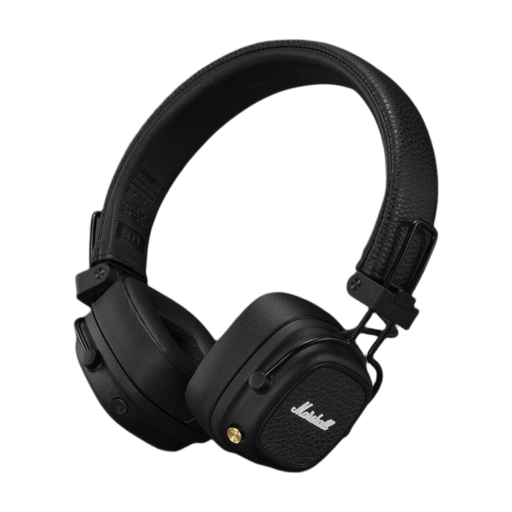
Why it suits this type of user: This on-ear model is designed for everyday use and travel. Its foldable design, multipoint connectivity and exceptionally long stated play time make it practical for people who are often on the move.
The product specifications make it clear that this model isn’t water-resistant. That helps you avoid choosing it for sport or rainy weather.
More than 100 hours of stated play time, Bluetooth 5.3, multipoint, USB-C and wireless charging, according to the product information.
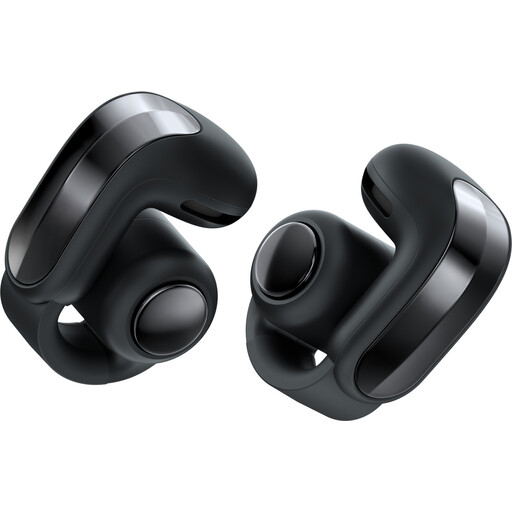
Why it suits this type of user: According to the product description, the open-ear design sits outside your ear. This lets you stay aware of your surroundings while walking, cycling or travelling around town.
The open design avoids a closed-in feeling, but also provides less noise isolation. The IPX4 rating is designed to protect against splashes and sweat, not immersion in water.
Up to 9 hours of listening, up to 28 hours with the case, Bluetooth 5.4 and an integrated microphone, according to the product details.
We’ve put together a full, up-to-date list of products that meet these strict selection criteria and current European safety regulations.
Put the headphones into pairing mode, open the Bluetooth settings on your phone and select the product name. Some models need a companion app for the equaliser, firmware updates or multipoint. Once paired, check that the microphone and volume controls work.
Their lifespan depends on charging cycles, heat, moisture and how you use them. Charge them according to the manual, don’t leave them in a hot car for long periods and avoid using damaged cables. A battery loses capacity over time; a wired backup can extend the practical lifespan.
Yes. Active noise cancellation uses extra power, so stated play time with ANC switched on may be shorter than with it off. When you’re buying, always compare figures measured under the same conditions. Check whether you need a transparency mode, multipoint or fast charging for the way you’ll use them.
