
Vandaag of morgen in huis

Kwaliteit gegarandeerd

Welkomstaanbiedingen ontgrendelen: GRATIS bezorging | Tot 80% korting | Gratis 30 dagen JoyPlus-proefperiode
Download de app
Wireless headphones may seem easy to choose at first. You pick Bluetooth, check the price and perhaps look for noise cancelling. But small differences in comfort, battery life and water resistance can determine whether you use them every day or leave them in a drawer after a few weeks.
For shoppers in the Netherlands, these three pitfalls are particularly relevant:
There are three main styles:
A good fit isn’t just about comfort. With in-ear models, the seal also affects bass performance and how well ANC works. As a result, a loose-fitting earbud may sound less effective, whatever technical features it has.
Check two figures: the headphones’ own playback time and the extra capacity provided by the charging case. A model with long battery life is useful for train journeys, work and everyday use. Also check for:
Be aware of the difference between wired and wireless headphones with a microphone. The Jabra Evolve 30 II MS Stereo in this range, for example, is a wired model with a 3.5mm connection and USB controller. That can be handy in the office, but it isn’t a replacement for a Bluetooth headset if you want to work without a cable.
Active noise cancelling uses electronics to reduce certain background sounds. Transparency mode, on the other hand, lets surrounding sounds through. This is useful in the office or on a walk, but don’t use noise cancelling in situations where you need to hear traffic or warning signals clearly.
Headphones with a microphone are important for working from home and making calls. Don’t just look at the number of microphones; check their placement and whether there’s a mute or call button.
Water resistance is indicated by an IP code. IPX4 means protection against splashes, while IPX5 means resistance to water jets under standardised conditions. This doesn’t mean a product can be submerged. Always check the full product specifications, and only charge a wet device once it’s dry.
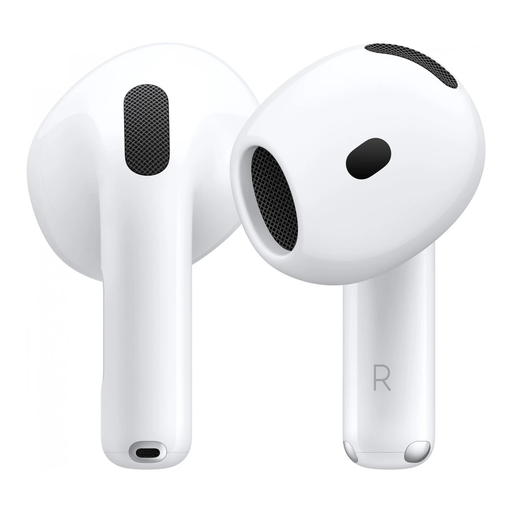
Why it suits this type of user: A compact option for everyday use, particularly if you already have an iPhone and value features such as easy pairing and finding your device within the Apple ecosystem.
The product specifications list ANC, Transparency mode and USB-C. The IP54 rating indicates dust protection and resistance to splashes, not full waterproofing.
H2 chip, Bluetooth 5.3, up to 5 hours of listening per charge and, according to the product description, more than 30 hours with the case.
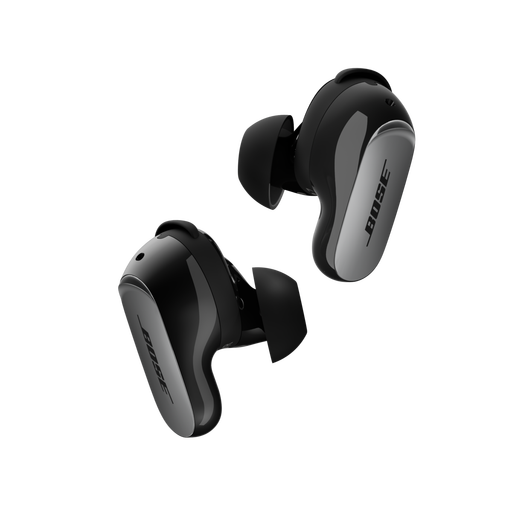
Why it suits this type of user: Designed for listeners who value the comfort of in-ear headphones, noise cancelling and the ability to connect to multiple devices while travelling or working.
The included Fit Kit contains three sizes of ear tips and stability bands. This lets you adjust the fit rather than relying on a single standard size.
Bluetooth 5.3, multipoint pairing, up to 6 hours of playback and IPX4 splash resistance, according to the product specifications.
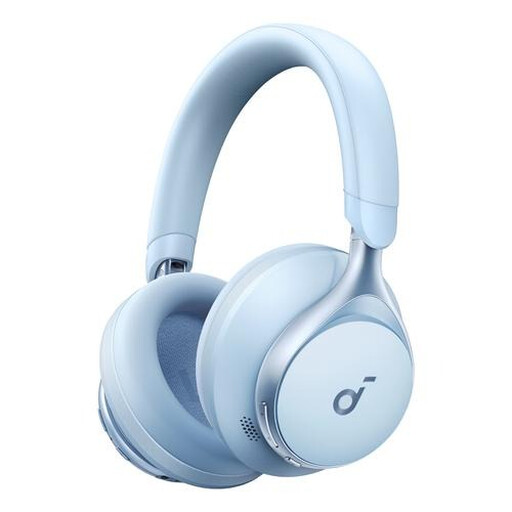
Why it suits this type of user: An over-ear model for long working days and travel, and for anyone who doesn’t want to charge their headphones every day.
The product specifications state a battery life of 55 hours and USB-C charging. For extended use, check that the weight and over-ear fit suit you.
Bluetooth, USB Type-C, stereo sound and a stated battery life of up to 55 hours.
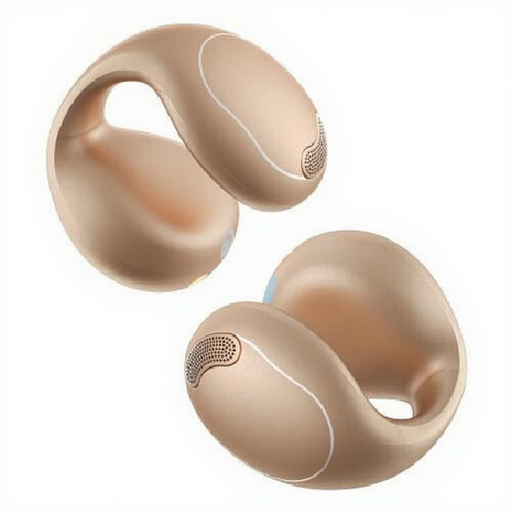
Why it suits this type of user: Suitable for calls, sport and everyday use when you want to hear your surroundings without an in-ear seal.
The open-ear design means you’re not completely cut off from your surroundings. IPX4 means splash resistance; this model isn’t designed for use underwater.
Bluetooth 5.4, two built-in microphones, physical buttons and a weight of 60 grams, according to the product specifications.
We’ve put together a complete, up-to-date list of products that meet these strict selection criteria and comply with current European safety regulations.
Turn on Bluetooth on your smartphone, open the Bluetooth settings and select the name of your headphones. With wireless earbuds, the initial pairing often happens through the charging case. If the connection doesn’t work, check that the product is sufficiently charged and remove any old pairing from the Bluetooth list.
It depends on the type and settings. In-ear models often offer a few hours per charge, while over-ear headphones with long battery life can last for dozens of hours. ANC, high volume, calls and Bluetooth features all affect power consumption. So use the stated playback time as a guide for comparing products, not as a guarantee for every situation.
Yes, provided the model has a reliable Bluetooth connection, a comfortable fit and a good microphone. Multipoint can be handy if you want to stay connected to your phone as well as your laptop. Also check that your computer supports Bluetooth. In a business setting, a headset supplied with a USB adapter may be more practical than regular wireless earbuds.
