
Vandaag of morgen in huis

Kwaliteit gegarandeerd

Welkomstaanbiedingen ontgrendelen: GRATIS bezorging | Tot 80% korting | Gratis 30 dagen JoyPlus-proefperiode
Download de app
Wireless headphones make listening to music, video calls and podcasts easier. But a long list of features doesn’t automatically mean a model is right for your everyday needs. For example, Bluetooth headphones that are comfortable for working from home might feel too warm on a train journey. And a compact pair for travelling doesn’t always block out enough noise in a busy environment.
The most common buying mistakes come down to three pitfalls:
Over-ear headphones completely enclose your ears. This can provide a roomier fit and some passive noise isolation. These models are often suitable for travelling, working from home and longer listening sessions, but they usually weigh more.
On-ear headphones rest on your ears. According to its product specifications, the Sony WH-CH520 weighs 147 grams and has an adjustable headband. This makes this type of wireless headphones a good option if you’re looking for something lightweight and compact. Bear in mind that background noise is more likely to remain audible with on-ear models.
Bluetooth earbuds are small and easy to carry. Check the fit, the ear tips supplied and the battery life of both the earbuds and their charging case. An IP rating is useful for sport or rainy weather, but always check what the rating actually means. IPX5, for example, doesn’t guarantee that a product is suitable for submersion.
Don’t just compare the highest figure; check the conditions it refers to. The Sony WH-CH520 product description quotes a battery life of up to 50 hours, while the specifications field says 40 hours. So check the current product page before you order.
Other examples:
Headphones with long battery life are handy for travel and working days, but fast charging, USB-C and, where available, a wired connection can be just as important in practice.
Bluetooth 5.2 or 5.3 mainly tells you about the connection standard; it doesn’t automatically mean that every model sounds better. Also check the supported audio codecs, multipoint connectivity and microphone features.
With multipoint, you can connect some models to two devices at once, such as a laptop and a smartphone. This is useful when working from home: you can pause your music when a call comes in. Call quality still depends on the microphone, your surroundings, wind and software.
When choosing noise-cancelling headphones, consider the combination of ANC, transparency mode and fit. According to the product description, the Sony WH-1000XM5 uses four microphones and dual processors in each ear cup for noise cancelling. This is a claim from Sony’s product information; the actual effect may vary depending on the environment and the user.
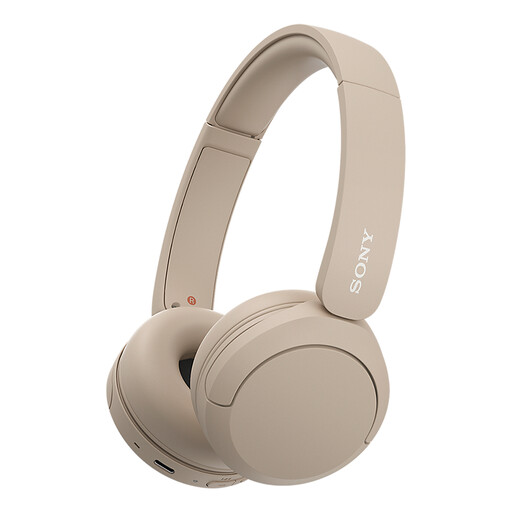
Why it suits this profile: This lightweight on-ear model is a good choice for students, home use and everyday commuting. The product information lists multipoint connectivity, a microphone and button controls.
The adjustable headband and soft ear cushions let you tailor the fit. Be sure to check the current battery life information: the description quotes up to 50 hours, while the specifications field says 40 hours.
147 grams, Bluetooth, USB-C, multipoint connectivity and support for the Sony Headphones Connect app.
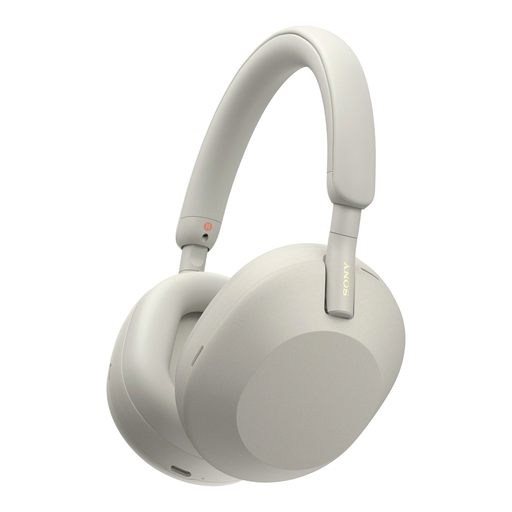
Why it suits this profile: An over-ear model for travellers and people working from home who value active noise cancelling, app controls and the ability to connect to two devices.
Battery life is listed separately for ANC on and off. This makes it easier to estimate how long you can realistically use the headphones than relying on a single overall maximum.
Up to 30 hours with noise cancelling, Bluetooth 5.2, multipoint connectivity and LDAC support according to the product specifications.
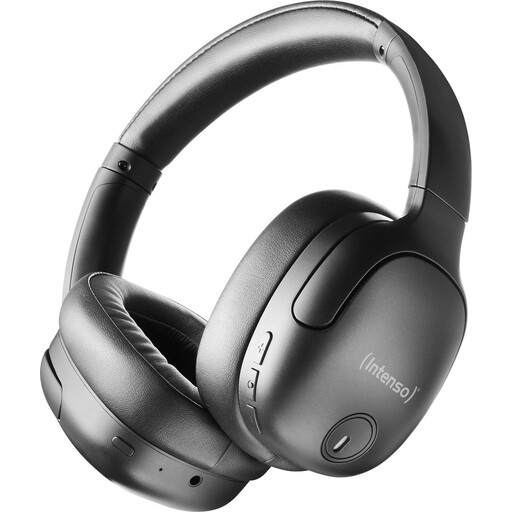
Why it suits this profile: This model is designed for long listening sessions, travel and work, with a choice of listening modes. The wired connection provides an alternative when the battery runs out.
The product information lists music, transparency and hybrid ANC modes. Transparency mode means you don’t have to rely solely on noise cancelling.
Bluetooth 5.3, up to 75 hours according to the product description, a 3.5mm socket and a foldable design.
We’ve put together a complete, up-to-date list of products that meet these strict selection criteria and comply with the applicable European safety regulations.
Put the headphones into pairing mode, open the Bluetooth settings on your smartphone and select the correct product name. For some models, Fast Pair or Swift Pair can help with the initial connection. You can then use the relevant app for firmware updates, equaliser settings or multipoint connectivity.
Battery life per charge varies widely, from around six hours for some Bluetooth earbuds to dozens of hours for over-ear and on-ear models. Overall lifespan also depends on charging habits, temperature, usage and the condition of the battery. Keep your headphones dry and follow the manufacturer’s charging and safety instructions.
They can be, but check whether the product lists a microphone and ambient noise filtering. For headphones for music and calls, multipoint connectivity, microphone quality and easy controls are often more important than the ANC label alone. If possible, test the fit and call quality within the seller’s returns period.
