
Vandaag of morgen in huis

Kwaliteit gegarandeerd

Welkomstaanbiedingen ontgrendelen: GRATIS bezorging | Tot 80% korting | Gratis 30 dagen JoyPlus-proefperiode
Download de app
A pair of wireless headphones can look like a great deal on paper. Bluetooth, active noise cancellation and dozens of hours of battery life all sound appealing, but marketing claims don’t always tell you how a model will perform in everyday use. For example, a heavy pair of over-ear headphones can become uncomfortable on a long train journey, while sports headphones without suitable water resistance may be vulnerable to sweat and rain.
That’s why the Joybuy Product Recommendation Officer focuses on verifiable specifications and what you’ll use the headphones for. This makes it easier to compare models practically, without being swayed by brand names or eye-catching claims alone.
The quoted battery life often applies only when ANC is switched off, the volume is moderate or the headphones are used sparingly. Always check whether the stated figure applies:
For example, the Marshall Major V claims more than 100 hours of wireless playback, while the JBL Wave Buds 2 promise up to 40 hours in total with ANC switched off. These figures are useful, but they aren’t directly comparable.
Noise-cancelling headphones sometimes quote a reduction figure such as -44 or -50 dB. According to product information from Baseus and Edifier, these figures refer to each brand’s own stated ANC performance. The measurement methods, frequencies and conditions can vary between brands.
ANC is also most effective against constant low-frequency sounds, such as the noise of a plane or train. Voices, sudden noises and wind may still be partly audible. So look for a transparency mode too, so you can hear what’s happening around you when needed.
A pair of over-ear headphones with soft ear cushions may be comfortable for working from home, but weight and clamping force feel different from person to person. In-ear models are compact, but their fit depends on the ear tips supplied.
When choosing sports headphones, check the IP rating:
An IP rating doesn’t automatically make a product suitable for swimming. According to the product information, the Bose QuietComfort Ultra Earbuds are rated IPX4, while the Samsung Galaxy Buds4 Pro are listed as IP57 and, according to the warnings, aren’t intended for swimming.
A pair of wireless headphones with over-ear cups surrounds your ears and is often a good choice for travelling, listening to music and working from home. On-ear models such as the Marshall Major IV and Major V are usually more compact and lighter, but rest directly on your ears.
Bluetooth earbuds and wireless earbuds are smaller and handy for commuting or exercise. With these models, check the battery life per charge, the charging case capacity and whether different fit options are available.
Bluetooth 5.1, 5.2, 5.3 and 5.4 can differ in power consumption and connection features, but a higher version number doesn’t automatically guarantee better sound. Your smartphone, laptop and chosen codec also make a difference.
If you switch between work and personal devices, look for multipoint. According to the product specifications, the Sony ULT WEAR can connect to two devices. The Sonos Ace and Marshall Major V also list multipoint functionality.
AAC and SBC are widely used Bluetooth audio codecs. LDAC, aptX Lossless and LC3 may be worth considering if both your source device and headphones support these standards. Check before you buy.
A 40mm driver doesn’t tell you much about the listening experience on its own. It’s more useful to consider driver size alongside information about frequency range, codec, equaliser and any app settings. A 3.5mm or USB-C connection comes in handy when the battery runs out or you don’t want to use Bluetooth.
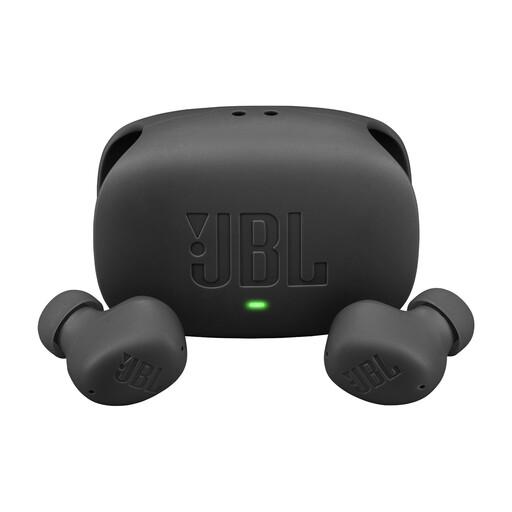
Why it suits this profile: Compact wireless earbuds for everyday use, with ANC, multipoint and an app for sound settings.
The battery claim states that the maximum total of 40 hours applies with ANC switched off. This gives you a clearer idea of what to expect from the battery life.
Up to 8 hours of playback according to the specifications, an IP54 rating for the earbuds and support for two Bluetooth devices.

Why it suits this profile: Over-ear headphones for users who value app features, spatial audio and wired listening options.
The product information lists Bluetooth as well as USB-C and 3.5mm connections. This means you’re less reliant on a single connection method.
Up to 30 hours of battery life with ANC according to the product specifications, multipoint and support for AAC, aptX Lossless, LC3 and SBC.
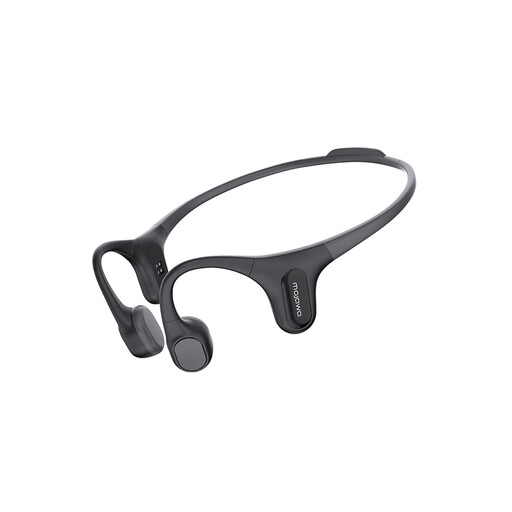
Why it suits this profile: An open-ear model for running, the gym and situations where you want to stay aware of your surroundings.
The open design means you don’t have to rely solely on ANC. The stated IP68 rating is suited to intensive use, but check the manual for guidance on swimming and prolonged immersion.
Open-ear design, Bluetooth and, according to the product name, a built-in MP3 player with 32 GB of storage.
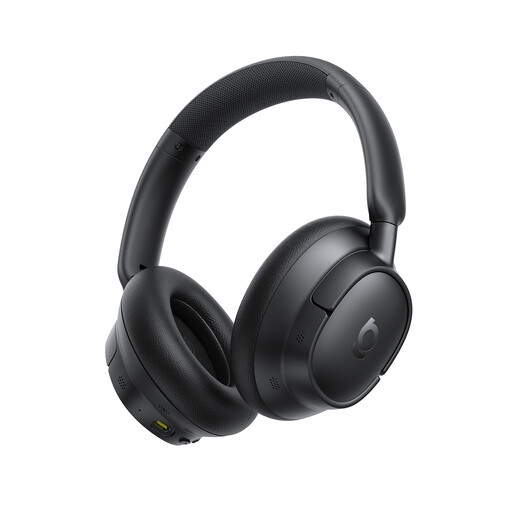
Why it suits this profile: Over-ear noise-cancelling headphones for train journeys, work and several days of use without needing an immediate recharge.
According to Baseus’s own information, the stated battery life is 80 hours without ANC and 55 hours with ANC. The conditions are given alongside the claim.
Bluetooth 6.0, support for LDAC and a stated hybrid ANC reduction of up to -45 dB.
We’ve put together a complete, up-to-date list of products that meet these strict selection criteria and the applicable European safety regulations.
Switch on Bluetooth on your phone, put the headphones into pairing mode and select the product name from the list of available devices. With some models, a dedicated app, Google Fast Pair or Microsoft Swift Pair can help. If the connection doesn’t work, remove the old pairing and try again.
It depends on the volume, ANC, codec and how you use them. Over-ear models often quote 24 to 80 hours, while wireless earbuds usually offer a few hours per charge and are then recharged using the charging case. Always compare playback time on a single charge with the total battery life including the case.
Not necessarily. Active noise cancellation can reduce the sounds around you. When cycling or in traffic, only use a mode that lets you hear enough of what’s happening around you, and follow local traffic rules. Hearing safety and awareness of your surroundings come before extra isolation.
