
Vandaag of morgen in huis

Kwaliteit gegarandeerd

Welkomstaanbiedingen ontgrendelen: GRATIS bezorging | Tot 80% korting | Gratis 30 dagen JoyPlus-proefperiode
Download de app
A wireless headset may seem easy to choose at first glance. Compare the price, colour and battery life, and you’re done. In practice, it is mainly the fit, connection and protection against moisture or surrounding noise that determine whether your purchase remains comfortable in everyday use.
Many shoppers in the Netherlands run into the same problems: earbuds that come loose after a short time, battery life that only applies under ideal conditions, or noise cancelling that is not suitable for cycling and commuting. These practical checks will help you avoid a disappointing purchase.
Manufacturers often state the total playback time including the charging case. That is not the same as the usage time from a single charge. Active noise cancellation, high volume levels, phone calls and multipoint connections can also affect playback time.
So always check:
A model offering 6 hours of playback per charge may be enough for commuting. If you travel frequently or work long days, you may benefit more from a model with a large case or long battery life.
An IPX4, IPX5 or IP54 rating provides information about protection against splashes, sweat or dust. It does not automatically mean that you can submerge the earbuds or swim while wearing them.
Pay particular attention to the difference:
Water-resistant earbuds can be practical for running. For swimming, a Bluetooth connection is usually not enough; you need a model with suitable swimming or internal MP3 functionality. Always check the official usage instructions.
A noise-cancelling headset uses active microphones and electronics to reduce surrounding noise. This can be useful on the train, in the office or during a flight. At the same time, it reduces your awareness of your surroundings. You should therefore avoid using this function in situations where you need to hear traffic or warning signals clearly.
Open-ear earbuds work differently. They do not block the ear canal, allowing you to remain more aware of your surroundings. This can be useful when walking or working, although surrounding noise may also remain more noticeable while listening to music.
An in-ear headset seals the ear canal and usually provides a direct, compact fit. Check whether several sizes of ear tips are included. The wrong size can result in a less secure fit and less consistent sound reproduction.
An over-ear headset completely covers the ear. This can be comfortable during long listening sessions, but the model is larger and may feel warmer. On-ear models are lighter, but press directly against the outer ear.
According to the product description, open-ear and clip-on models such as the soundcore AeroClip place less pressure on the ear canal. The flexible open-ring construction is designed, according to the listed specifications, to withstand up to 20,000 bends. These are product claims from the description; your actual experience will depend on the shape of your head and ears.
Bluetooth 5.2, 5.3 or 5.4 mainly indicates the connection standard being used. Also check whether the headphones work with your smartphone, laptop, tablet or games console.
Useful features include:
For gaming, a wired gaming headset with a 3.5mm connection may be a sensible choice. You will not need a battery and latency remains limited. Do check the connection on your controller or computer.
A headset with a microphone is not automatically suitable for noisy conversations. Look at the number and positioning of the microphones, as well as whether wind or background-noise reduction is available. According to the product description, the soundcore AeroClip has four beamforming microphones. The Soundcore Liberty 4 Pro is listed as having six microphones.
Brands may promote improvements in call quality. It is therefore best to frame such expectations carefully: according to the brand’s own information or the product description, these features are intended to make calls clearer. Your surroundings, wind and phone connection will still have an effect.
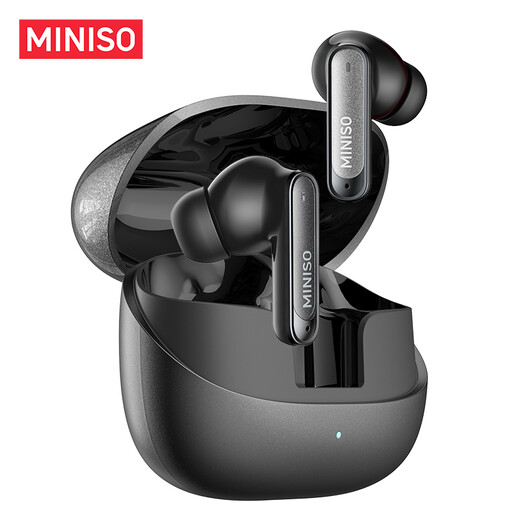
Why it suits this profile: These true wireless earbuds combine a compact design with IPX5, touch controls and a stated total battery life of up to 55 hours.
The specifications state both the playback time and protection against sweat and rain. Do check the manual for the precise usage limits.
10mm dynamic driver, six microphones according to the product description, IPX5 rating and fast charging.

Why it suits this profile: This over-ear model is aimed at travellers and home users looking for active noise cancellation, spatial audio and an adjustable fit.
The headphones also support a detachable cable with USB-C and 3.5mm connections. This means you are not entirely dependent on Bluetooth or the battery.
Bluetooth 5.4, active noise cancellation, spatial audio and a wired back-up.
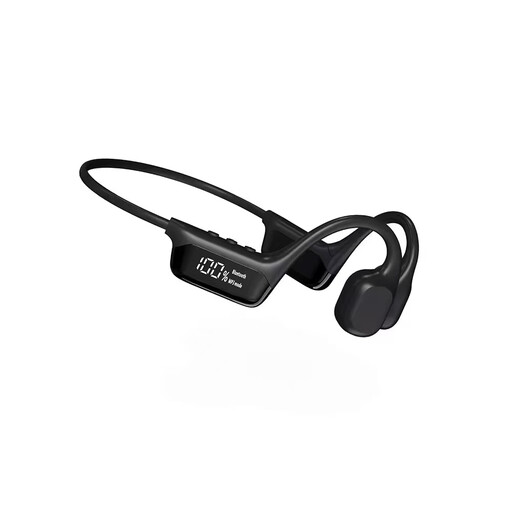
Why it suits this profile: According to the product description, the open-ear bone-conduction design is intended for activities including running, cycling and swimming, with Bluetooth 5.3.
The description mentions a swimming mode and internal storage, but before use, check whether swimming without a smartphone is actually supported by your version.
Open-ear design, Bluetooth 5.3, ear-hook construction and a stated usage time of up to 8 hours.
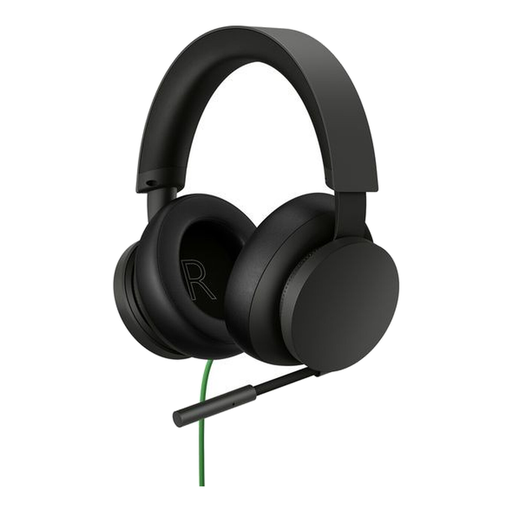
Why it suits this profile: This wired headset uses a 3.5mm connection, has an adjustable microphone and, according to the specifications, works with Xbox consoles and Windows PCs.
Because the connection is wired, you do not need to factor in battery life or Bluetooth latency while gaming.
40mm drivers, soft ear cushions, volume control and an adjustable boom microphone.
We have put together a complete, up-to-date list of products that fully meet these strict selection criteria and the applicable European safety regulations.
First charge the headphones, activate Bluetooth on your smartphone and open pairing mode according to the manual. Then select the product name from the Bluetooth list. With a multipoint model, pair one device first and then the second. Not every headset can manage two active connections at the same time.
Lifespan depends on charging cycles, storage, moisture and everyday use. Keep earbuds in the charging case, clean them with a soft, dry cloth and do not charge them in a damp environment. Avoid using high volume levels for long periods. Batteries gradually deteriorate, so check in advance whether replacement or servicing is available.
They can be, provided the fit is secure and the IP rating is suitable for your activity. Sports earbuds with IPX4 or IPX5 are generally intended for sweat and splashing water, not automatically for swimming. When running, also choose carefully between closed in-ear earbuds and open-ear earbuds, depending on how much surrounding noise you want to continue hearing.
