
Vandaag of morgen in huis

Kwaliteit gegarandeerd

Welkomstaanbiedingen ontgrendelen: GRATIS bezorging | Tot 80% korting | Gratis 30 dagen JoyPlus-proefperiode
Download de app
Wireless headphones make it easier to listen to music, make calls and watch videos. But a long list of features doesn’t automatically mean a model is right for your everyday needs. Bluetooth headphones for train journeys have different requirements from sports earbuds or a wireless headset with a microphone for working from home.
Look out for these three common pitfalls:
Choosing between over-ear headphones, on-ear headphones, in-ear earbuds and open-ear headphones affects how you experience the product.
When choosing headphones, consider adjustability, weight and the shape of the ear cushions. A lightweight model isn’t automatically comfortable if the headband puts too much pressure on your head.
Headphones with long battery life are practical for commuting and travelling. Don’t just look at the highest figure; also check:
The product information lists up to 50 hours of battery life for the Sony WH-CH520, while the Sony WH-CH720N is listed as offering up to 50 hours without noise cancelling and up to 35 hours with it switched on. The figures aren’t directly comparable.
Bluetooth 5.0, 5.2, 5.3 or a newer version can provide an efficient connection, but your experience also depends on your phone, laptop and distance from the device. Multipoint is useful if you regularly switch between two devices.
A built-in microphone is important for calls. Also check whether the product description mentions microphone noise reduction, rather than just sound quality.
An IP rating is relevant for sports and outdoor use. According to the product information, for example, IPX5 protects against water jets from certain directions, but not against immersion. So don’t use a sports model in the swimming pool unless the manufacturer explicitly says it’s suitable.
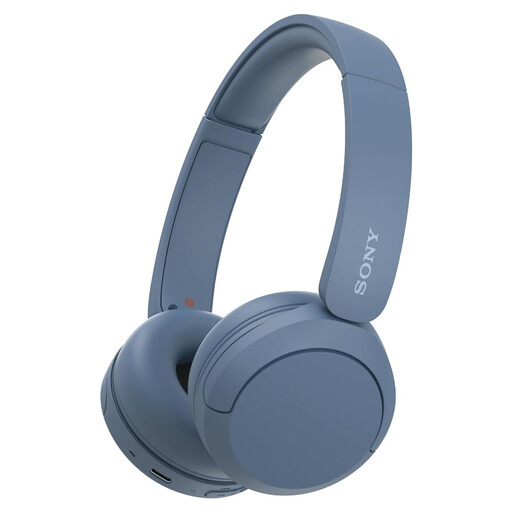
Why it suits this profile: Compact on-ear headphones for music, podcasts, videos and hands-free calls, without having to choose a heavy model.
The product information gives a weight of 147 grams, an adjustable headband and soft ear cushions. No water resistance is listed, so don’t use this model in wet conditions.
Up to 50 hours of battery life according to the product description, Multipoint connection, a microphone and USB-C charging.
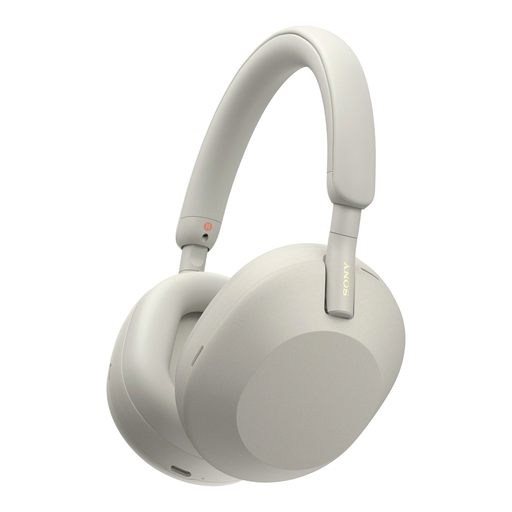
Why it suits this profile: Over-ear headphones for travellers, home offices and listeners looking for adjustable active noise cancelling and a wide range of app features.
The product information gives separate battery-life figures for ANC on and off. This makes it easier to estimate how long you can use them than relying on a single general battery-life figure.
Bluetooth 5.2, Multipoint, LDAC according to the product information, and up to 30 hours with noise cancelling switched on.
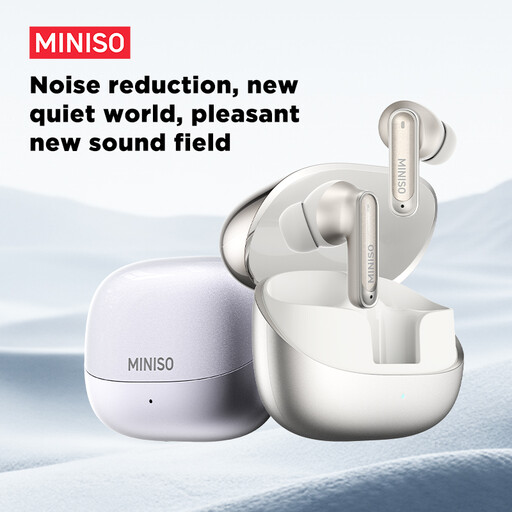
Why it suits this profile: Wireless earbuds for commuting, the office and sport, where a compact design, microphone and splash protection are useful.
The product information lists IPX5 protection and warns that the earbuds aren’t suitable for swimming or immersion. This makes their limitations clear.
Up to 55 hours with the charging case according to the product description, six microphones and a 10-minute fast charge for up to 3 hours of playback.
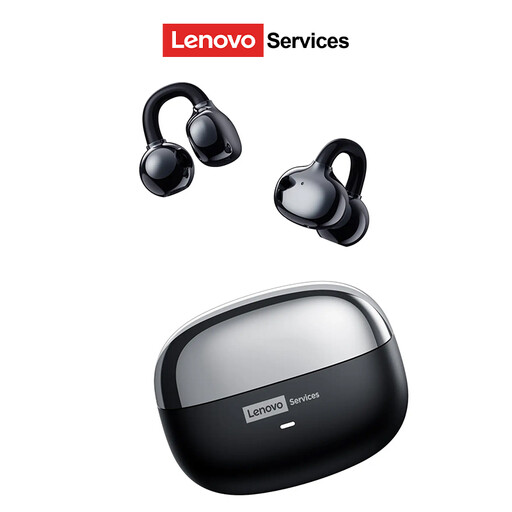
Why it suits this profile: The open-ear design is intended for work, walking, light exercise and everyday use when you want to stay aware of the sounds around you.
As this is an open-ear design, it doesn’t cover your ears like noise-cancelling headphones do. The product description also lists compatibility with Android, iOS and Windows.
Up to 25 hours of battery life according to the product information, Wireless 6.0 and a lightweight open-ear earclip design.
We’ve put together a comprehensive, up-to-date list of products that meet these strict selection criteria and the applicable European safety regulations.
Switch on Bluetooth on your phone, put your headphones or Bluetooth earbuds into pairing mode, then select the product name from the Bluetooth list. Some models pair through an app. Remove an old pairing if the product doesn’t appear, and check that the battery is sufficiently charged.
Battery life per charge varies depending on the model, volume and features such as ANC. The built-in battery’s lifespan generally decreases gradually over charging cycles. Keep your headphones dry, avoid extreme temperatures and use a suitable USB-C charger. With earbuds, the charging case is an additional item that you’ll need to look after.
Don’t use noise cancelling in a way that makes it harder to hear traffic, sirens or other warning signals. When cycling, crossing the road or driving, follow the rules of the road and stay aware of your surroundings. Open-ear headphones may let in more surrounding noise in some situations, but they’re no substitute for staying alert.
