
Vandaag of morgen in huis

Kwaliteit gegarandeerd

Welkomstaanbiedingen ontgrendelen: GRATIS bezorging | Tot 80% korting | Gratis 30 dagen JoyPlus-proefperiode
Download de app
Wireless headphones may seem easy to choose: pick a colour, compare the price and check Bluetooth. In practice, it’s comfort, battery life and how noise cancellation works that make the biggest difference to how enjoyable your purchase is day to day.
Many shoppers run into the same problems:
Below, you’ll find a practical guide to choosing headphones for music, travel, work, calls and exercise.
The most important choice often isn’t the brand, but the design.
Check the weight, how adjustable the headband is and the shape of the ear cushions. A soft fit doesn’t automatically prevent heat or pressure during long listening sessions. For earbuds, the IP rating is also important. IPX4 generally means protection against splashes, according to the product specifications, but it doesn’t mean the earbuds are suitable for submersion.
Long battery life is useful for commuting, studying and travelling. Always compare:
For example, the CMF Headphone Pro is listed as offering up to 100 hours without ANC and 48 hours with ANC. The Sony WH-CH720N is listed as offering up to 50 hours without noise cancellation and 35 hours with ANC. These differences show why a single battery-life figure doesn’t tell you much.
Noise-cancelling headphones use active noise cancellation to reduce ambient sound electronically. This can be useful on the train, bus or in the office. ANC doesn’t block out every sound completely and can drain the battery more quickly.
Also look for:
Claims such as “filters a certain percentage of background noise” are made by the brand. According to the manufacturer’s own research, results like these can vary depending on the surroundings, fit and usage. Don’t use ANC in situations where you need to hear traffic or warning sounds.
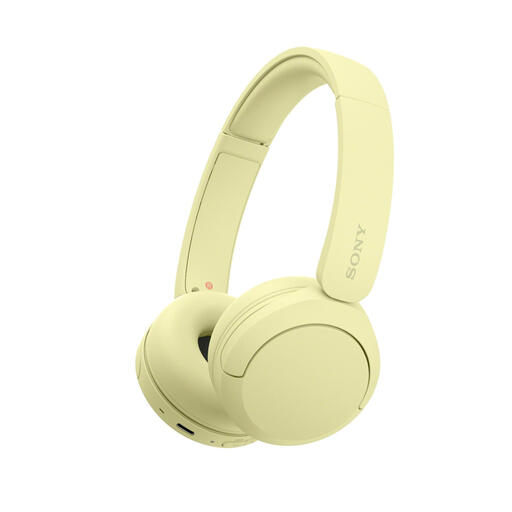
Why it suits this type of user: These lightweight on-ear Bluetooth headphones are designed for everyday listening, calls and taking with you on the go. Multipoint makes it easy to switch between a laptop and phone.
The product specifications list the weight, USB-C and multipoint. However, check the current battery-life information, as both 40 and 50 hours are quoted.
147 grams, Bluetooth, microphone, multipoint and 30 mm dynamic drivers.
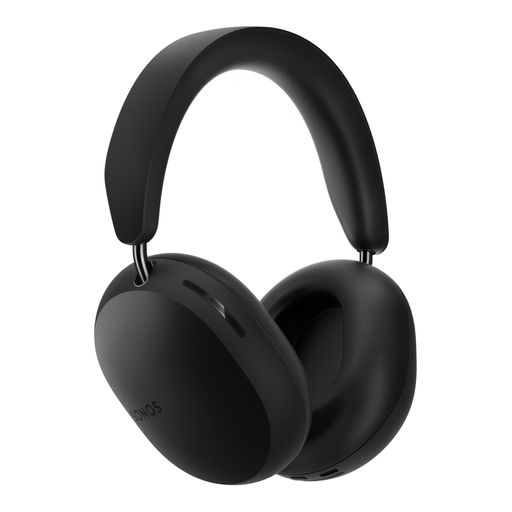
Why it suits this type of user: These over-ear headphones are designed for users who value ANC, spatial audio, multipoint and both wireless and wired connections.
According to the product information, the stated 30-hour battery life is with ANC on. The supplied cable provides an alternative when the battery runs out.
40 mm drivers, active noise cancellation, Bluetooth 5.4, multipoint and USB-C audio.
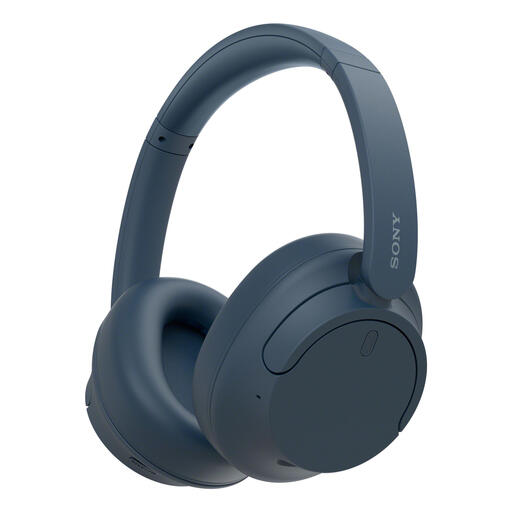
Why it suits this type of user: For travel, working from home and long listening sessions, these over-ear headphones offer active noise cancellation, app controls and connection to two devices.
Battery life is listed with ANC both on and off: up to 35 and 50 hours respectively, according to the product information.
192 grams, multipoint, USB-C, app settings and active noise cancellation.
We’ve put together a complete, up-to-date list of products that meet these strict selection criteria and the applicable European safety requirements.
When it comes to wireless earbuds, fit and charging habits matter a lot. Check whether different sizes of ear tips are included and whether the case is protected against moisture. For example, the Samsung Galaxy Buds4 Pro earbuds are listed as IP57, but the charging case shouldn’t be treated the same way.
Also check the difference between a single charge and total playback time with the case. The Samsung Galaxy Buds4 Pro are listed as offering up to 6 hours with ANC per earbud and up to 30 hours without ANC including the case. The Apple AirPods 4 with ANC are listed as offering up to 5 hours per charge and more than 30 hours with the case. That makes them suitable for everyday use, but less suitable for long days without access to charging.
Turn on Bluetooth on your phone, put the headphones into pairing mode and select the product name from the list of available devices. Features such as Google Fast Pair, Microsoft Swift Pair or a brand app can speed up the initial connection. If you run into problems, it often helps to remove an old pairing and restart both devices.
Battery wear, charging frequency, volume, ANC and heat all affect how long they last. A battery-life figure on the packaging isn’t a guarantee of the product’s lifespan. Store your headphones in a dry place, avoid extreme heat and use a suitable USB-C charger. A model with replaceable ear cushions, such as some over-ear headphones, may remain practical for longer.
After purchase, the direct costs are usually limited to the electricity used for charging. An app or streaming service may be optional; check whether all the basic features work without a paid subscription. Also factor in replacing the ear cushions, charging case or accessories. So don’t compare only the purchase price: consider battery life, warranty information and the availability of spare parts too.
