
Vandaag of morgen in huis

Kwaliteit gegarandeerd

Welkomstaanbiedingen ontgrendelen: GRATIS bezorging | Tot 80% korting | Gratis 30 dagen JoyPlus-proefperiode
Download de app
Choosing wireless headphones might seem simple: pick a brand, compare prices and check the battery life. In practice, small differences can make a big difference. You might not notice an uncomfortable headband, a microphone that’s hard to hear in a busy environment or a battery-life claim that doesn’t apply to every use case until after you’ve bought them.
This guide will help you choose Bluetooth headphones, wireless earbuds or a headset based on verifiable specifications and how you plan to use them.
The stated battery life is usually a maximum under specific conditions. Noise cancelling, high volume, phone calls and an active 2.4GHz connection can all affect how long the battery lasts. So don’t just compare the highest number of hours. Also check:
For example, the Sony WH-CH720N is listed as offering up to 50 hours without noise cancelling and up to 35 hours with it switched on. That difference matters if you use your headphones every day on the train, on a plane or in the office.
Active noise cancelling, often shortened to ANC, uses microphones and electronics to reduce certain types of ambient noise. Results can vary depending on the sound, fit and surroundings. Low, constant sounds, such as the rumble of a train, are a different scenario from voices or sudden noises.
Also be aware of the difference between:
A brand’s claim doesn’t guarantee the same experience in every situation. According to UGREEN’s product description, the HiTune Max5c supports ANC and transparency mode. When buying, check that these features suit your devices and how you plan to use the headphones.
On-ear headphones rest on your ears and are often compact. Over-ear headphones enclose your ears and may offer better passive noise isolation, but they’re usually larger and warmer to wear. Wireless earbuds are lightweight and easy to carry, but the fit can vary considerably from one person to another.
For longer listening sessions, weight, headband pressure and ear cushion material matter more than the design in the product photo alone.
Bluetooth 5.x mainly tells you about the wireless connection and compatibility; it doesn’t determine sound quality on its own. Also check which codecs are supported, such as AAC and SBC, and whether multipoint is listed.
Multipoint lets you connect headphones to two devices at the same time, such as your laptop and smartphone. The Sony WH-CH520 and WH-CH720N list this feature. It’s useful when working from home, as you can switch from music to a phone call.
Bluetooth isn’t always the only connection worth considering for gaming. A wireless gaming headset with a 2.4GHz USB receiver may have different latency from a standard Bluetooth headset. According to the product information, the Trust GXT 491 Fayzo supports both 2.4GHz and Bluetooth.
Compare figures under the same conditions. Look out for “up to” and check whether the stated battery life is for music, calls or standby.
Examples from the product information:
These differences show why headphones with long battery life won’t automatically be the right choice for everyone. If you mainly take short train journeys, you may get more use from a lightweight pair that connects quickly.
The type of microphone matters for calls and online meetings. Built-in microphones, beamforming microphones and detachable gaming microphones each suit different uses. The JBL Tune 520BT2 lists two microphones for calls, while the Trust GXT 491 Fayzo has a detachable microphone.
Don’t confuse water resistance with full protection from water. The MINISO MS106 is listed as IPX5 in the product description, while the Sony WH-CH520 and UGREEN HiTune Max5c aren’t described as water-resistant. So don’t use headphones that aren’t water-resistant in the rain or during intense exercise.
Keep the volume at a safe level and take breaks if you listen for long periods. Product descriptions warn that prolonged exposure to high volume can cause hearing damage.
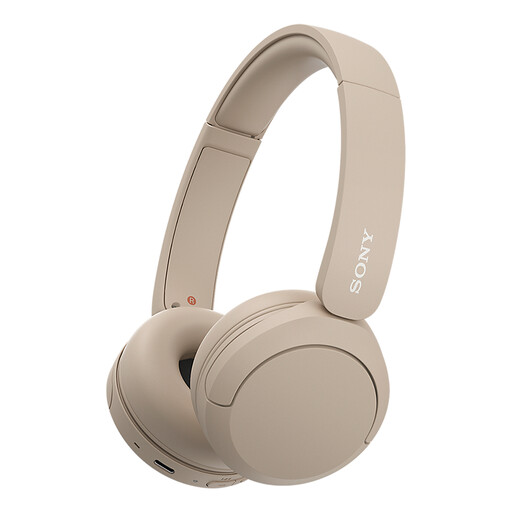
Why it suits this type of user: Lightweight on-ear headphones for music, podcasts and everyday calls, without the bulk of an over-ear model.
The specifications list multipoint, an adjustable headband and soft ear cushions. Do check the different battery-life figures before ordering.
147 grams, Bluetooth, a microphone and multipoint connectivity, according to the product specifications.
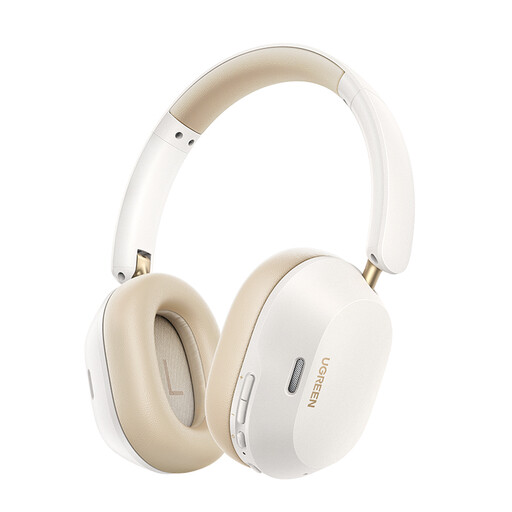
Why it suits this type of user: Over-ear headphones for travel, working from home and listening to music, with adjustable sound modes.
The product description gives separate battery-life figures for ANC on and off, and also lists a transparency mode. This makes it easier to assess the claim in context.
40mm drivers, support for AAC, SBC and LDAC, plus an app for equaliser settings, according to the product information.
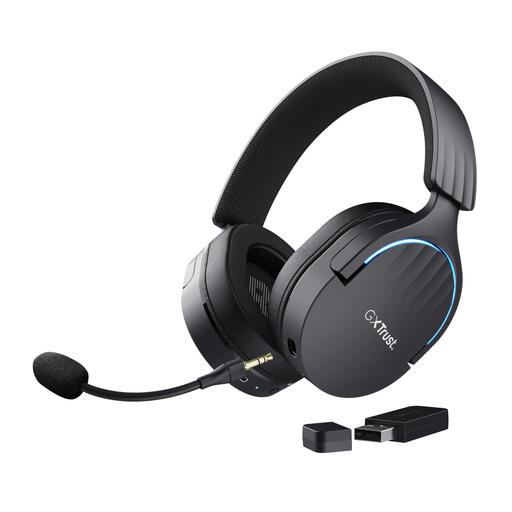
Why it suits this type of user: Designed for gaming on a PC or console, with Bluetooth also available for a smartphone or tablet.
The headset offers both 2.4GHz and Bluetooth, and can also be used with a wired 3.5mm connection. That means you’re less reliant on a single connection type.
50mm drivers, virtual 7.1 sound, a detachable microphone and up to 22 hours of battery life, according to the product information.
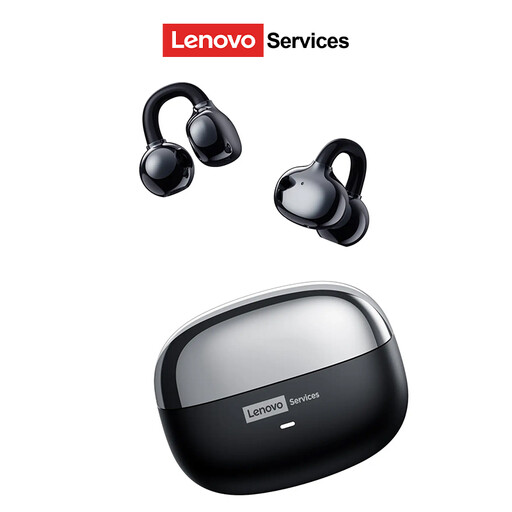
Why it suits this type of user: The open-ear ear-clip design is intended for everyday use, the office, exercise and situations where you need to remain aware of ambient sounds.
The open design means you’re not completely cut off from your surroundings. It’s a different option from noise-cancelling headphones.
Open-ear design, compatibility with Android, iOS and Windows, and up to 25 hours of battery life, according to the product description.
We’ve put together a complete, up-to-date list of products that meet these strict selection criteria and the applicable European safety regulations.
Switch on the headphones and activate pairing mode. Then open your phone’s Bluetooth settings and select the product name. Some models support features such as Fast Pair or Swift Pair on Android and Windows. If pairing doesn’t work, remove an old connection or charge the headphones first.
Battery life per charge ranges from around 20 hours to more than 70 hours, depending on the model and features in use. The overall lifespan depends on factors including charging cycles, heat, moisture and how you store the headphones. Use a suitable USB-C cable and follow the manufacturer’s safety instructions.
Yes, but check the microphone and connection options. A Bluetooth headset with multipoint is useful if you switch between a laptop and smartphone. For gaming or video calls, a detachable or directional microphone may be more suitable than a basic built-in one. So consider the whole use case, not just the sound quality.
