
Vandaag of morgen in huis

Kwaliteit gegarandeerd

Welkomstaanbiedingen ontgrendelen: GRATIS bezorging | Tot 80% korting | Gratis 30 dagen JoyPlus-proefperiode
Download de app
At first glance, choosing wireless headphones seems straightforward: pick a brand, compare prices and check the battery life. In practice, the main differences come down to comfort, connectivity, microphone quality and how well a model handles background noise.
If you focus only on long playback time or the term ‘noise cancelling’, you could end up with an awkward purchase. Read on to find out which features really matter and which models suit different situations.
Advertised battery life depends on the volume, codec, phone calls and use of active noise cancellation. For example, the Sony WH-CH520 product information lists both up to 50 hours of use and a 40-hour specification. Always check the full product specifications rather than relying on the short product title.
Wireless headphones with long battery life are particularly practical if you travel often or don’t want to charge them every day. Check the quick-charge time, too: a few minutes of charging may be enough for a train journey or a meeting.
Noise-cancelling headphones use electronics to reduce certain background sounds. Low, constant noises such as train engines or aircraft noise are generally better suited to this technology than sudden voices or traffic sounds. Performance also varies between models and depends on how well they fit.
According to Bose, its QuietComfort models feature noise-cancelling and aware modes. This is a product specification from the brand, not a guarantee that all sounds will disappear. If you want to stay aware of your surroundings while you’re out and about, check whether the headphones have a transparency mode.
On-ear headphones rest on your ears and are often lightweight and compact. Over-ear headphones surround your ears and can offer more passive noise isolation, but they’re usually larger and heavier. If you wear them for long periods, warmth, pressure on your ears or a headband that’s too tight can become uncomfortable.
Check the weight, how adjustable the headband is and the shape of the ear cushions. Foldable hinges and an included carry case are useful features if you plan to take your headphones with you every day.
Bluetooth 5.2, 5.3 or 5.4 mainly tells you about the connection technology used; it doesn’t automatically guarantee better sound quality. Also check whether the headphones support multipoint. This lets you keep them connected to, for example, a laptop and smartphone at the same time, making it easier to switch between music and phone calls.
A 3.5 mm audio jack is useful when the battery is flat or when you’re using a device without Bluetooth. Some models also offer USB-C audio, but check that your phone, tablet or laptop supports it.
Compare battery life under the same conditions. With models that have ANC, battery life is usually shorter when noise cancellation is switched on. For example, the Sony WH-1000XM5 is listed as offering up to 30 hours with noise cancelling on and up to 40 hours with it switched off.
Also check:
For working from home and making calls, a built-in microphone matters more than an impressive frequency range on paper. Look for multiple microphones, noise reduction for calls and easy-to-use controls.
Avoid listening at high volume for long periods. Headphones aren’t hearing protection and shouldn’t completely block out the sounds around you when you’re cycling, driving or crossing the road.
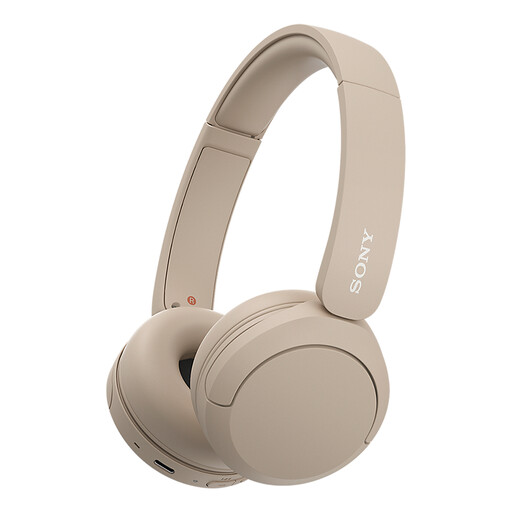
Why it suits this user: This lightweight 147-gram on-ear model is well suited to everyday listening, commuting and straightforward phone calls.
The adjustable headband and soft ear cushions let you fine-tune the fit. Do bear in mind that the product information gives different battery-life figures: up to 50 hours in the description and 40 hours in the specifications table.
147 grams, Bluetooth, microphone, multipoint and USB-C charging.
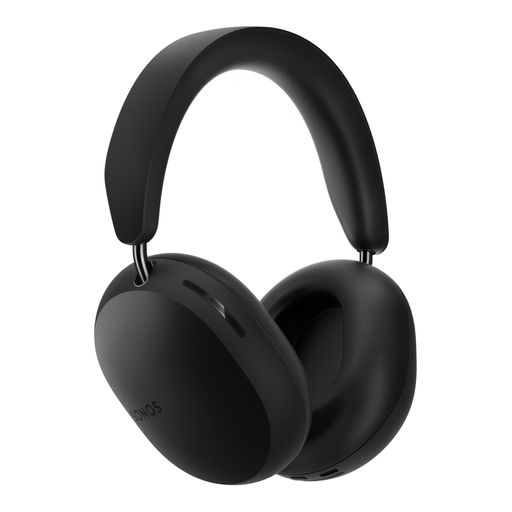
Why it suits this user: An over-ear model for people who switch between music, films and calls, and appreciate extra features such as spatial audio.
The product information lists active noise cancellation, an Aware mode and multipoint. The cable option gives you an alternative if you’d rather not use a wireless connection.
Up to 30 hours of battery life, USB-C, active noise cancellation, a microphone and a weight of 312 grams.
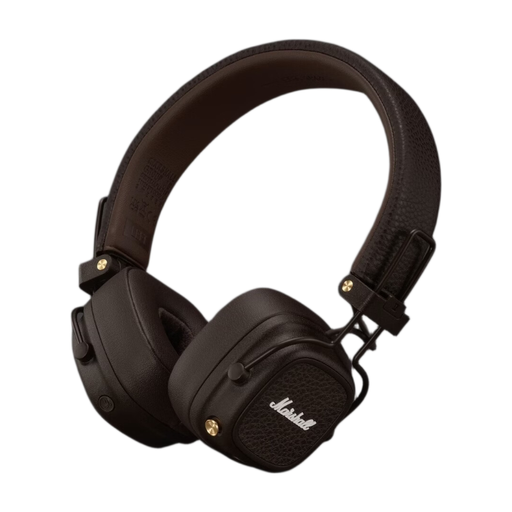
Why it suits this user: This foldable on-ear model is designed for long listening sessions, travel and people who are often on the move.
The headphones feature multipoint, a 3.5 mm cable and a stated playback time of more than 100 hours. The cable means you won’t be left without audio when the battery runs flat.
Bluetooth 5.3, multipoint, wireless charging, quick charging and a weight of 186 grams.
We’ve put together a complete, up-to-date list of products that meet these strict selection criteria and current European safety regulations.
Switch on the headphones and press and hold the power or Bluetooth button until pairing mode is active. Then open the Bluetooth settings on your phone and select the model. On some devices, Google Fast Pair or Microsoft Swift Pair makes the first connection easier.
It varies by model and how you use them. On-ear models without active noise cancellation can last for dozens of hours, while ANC, high volumes and frequent phone calls reduce battery life. Batteries also deteriorate over time with repeated charging. Don’t leave your headphones completely flat for long periods, and use a suitable USB-C charger.
Often, yes, particularly if the model folds up and has active noise cancellation. Before you buy, check the weight, carry case, battery life with ANC on and whether you can use a cable. For cycling and situations where you need to hear traffic, a transparency mode or a less enclosed fit may be more practical.
