
Vandaag of morgen in huis

Kwaliteit gegarandeerd

Welkomstaanbiedingen ontgrendelen: GRATIS bezorging | Tot 80% korting | Gratis 30 dagen JoyPlus-proefperiode
Download de app
Choosing wireless headphones seems straightforward: connect via Bluetooth, play some music and you’re ready to go. In practice, models vary considerably in comfort, battery life, microphone quality and noise isolation. A low price can be tempting, but an uncomfortable fit or unreliable connection can quickly lead to a disappointing purchase.
Look out for these three common pitfalls:
Don’t just compare the number of hours on the product page: check the conditions too. See whether the battery life applies with active noise cancelling switched on or off, and whether it refers to the earbuds themselves or the total playback time including the charging case.
Headphones with long battery life are practical for travel and commuting. For example, the Marshall Major V is listed as offering more than 100 hours of wireless playback and a quick-charge function. The Sony WH-CH520 is also described as having a long battery life in the product information, but its technical specifications state 40 hours. These differences show why it’s worth checking both the product description and the specifications table.
Also look for:
On-ear headphones are usually compact and lightweight, but the ear cups press directly against your ears. Over-ear headphones surround your ears, which can make them more comfortable for long listening sessions, although they often take up more space.
With Bluetooth earbuds, the shape of the earbuds and the sizes of the included silicone tips determine how well they fit. An open-ear or ear-clip model leaves your ear canal unobstructed and can be handy when working in the office or out walking. You’ll be more aware of your surroundings, but noise isolation will be more limited.
Check the weight, how adjustable the headband is and whether the ear cushions can be replaced. Lightweight headphones aren’t automatically comfortable: pressure distribution and fit matter just as much.
Bluetooth 5.x provides a wireless connection, but check for multipoint support too. This lets you connect to a laptop and smartphone at the same time, for example. It’s handy if you want to switch between a video call and a phone call while you’re working.
Bluetooth isn’t always ideal for gaming because of possible lag. A gaming headset with a 2.4GHz USB receiver may be a better choice. Just check that the receiver works with your PC, PlayStation, Xbox or Nintendo Switch.
A built-in microphone is useful for calls, but manufacturers sometimes present noise reduction as a guarantee of clear conversations. Treat these claims with caution: according to the brand’s own product information, a particular microphone setup may reduce background noise, but the actual quality also depends on your surroundings, the wind and the app you’re using.
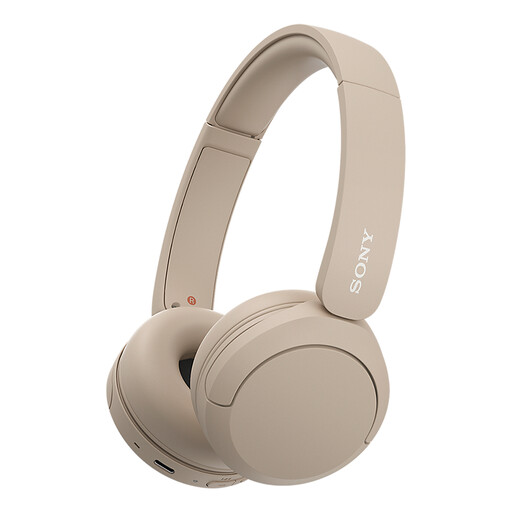
Why it suits this profile: These lightweight on-ear headphones are ideal for everyday listening, podcasts and calls, without lots of extra features to complicate things.
The product information mentions an adjustable headband, soft ear cushions and multipoint connectivity. Do note the discrepancy between the stated battery life and the technical table.
147g, Bluetooth, microphone, multipoint connectivity and USB-C charging.

Why it suits this profile: With active noise cancellation, app controls and an audio cable included, these over-ear headphones are well suited to long train journeys, flights and focused listening.
The product details specifically mention an active noise-cancelling mode and an audio cable. So you’re not relying solely on Bluetooth or the battery.
Bluetooth 5.3, multipoint connectivity, active noise cancellation and a stated battery life of up to 24 hours.
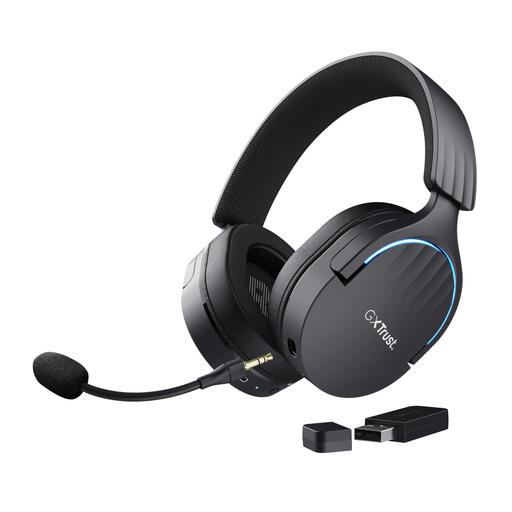
Why it suits this profile: For gaming on a PC or console, the 2.4GHz receiver, Bluetooth and detachable microphone are practical features. The headset can also be used with a wired connection.
Having two wireless connection options means you don’t have to rely on Bluetooth alone. Just check compatibility with your console beforehand.
2.4GHz and Bluetooth, 50mm drivers, detachable microphone and a stated playback time of up to 22 hours.
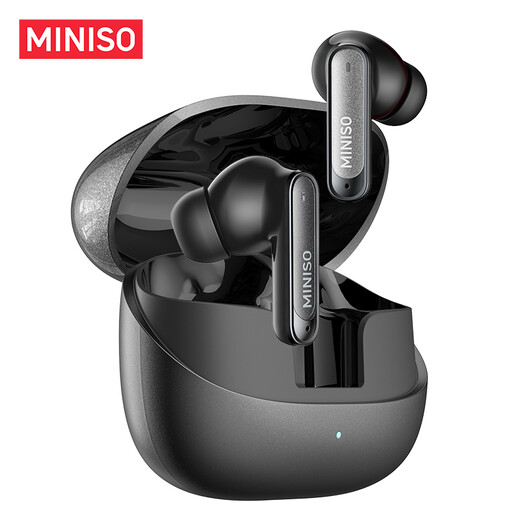
Why it suits this profile: These Bluetooth earbuds are compact and convenient for commuting, the office and sport. The product information lists an IPX5 rating and a charging case.
IPX5 means protection against water jets; it doesn’t mean the earbuds are suitable for swimming or submersion. Knowing the difference helps you avoid using them incorrectly.
Stated total battery life of up to 55 hours, USB-C fast charging and six microphones according to the product description.
We’ve put together a complete, up-to-date list of products that meet these strict selection criteria and the applicable European safety requirements.
Put the headphones into pairing mode, open the Bluetooth settings on your smartphone and select the model name. With some models, Fast Pair or Swift Pair can help you connect for the first time. If it doesn’t work, remove an old pairing and try again. Also check that the headphones are sufficiently charged.
Playback time between charges varies considerably from one model and setting to another. The device’s overall lifespan depends on charging cycles, storage, moisture and mechanical wear to hinges, cables and ear cushions. Charge your headphones with a suitable USB cable, keep them dry and listen at a safe volume.
They can be, especially when there’s constant background noise. However, noise-cancelling headphones aren’t designed to remove every sound completely. Use transparency mode when you need to hear traffic, colleagues or announcements. Before buying, also check the battery life with noise cancelling switched on.
